
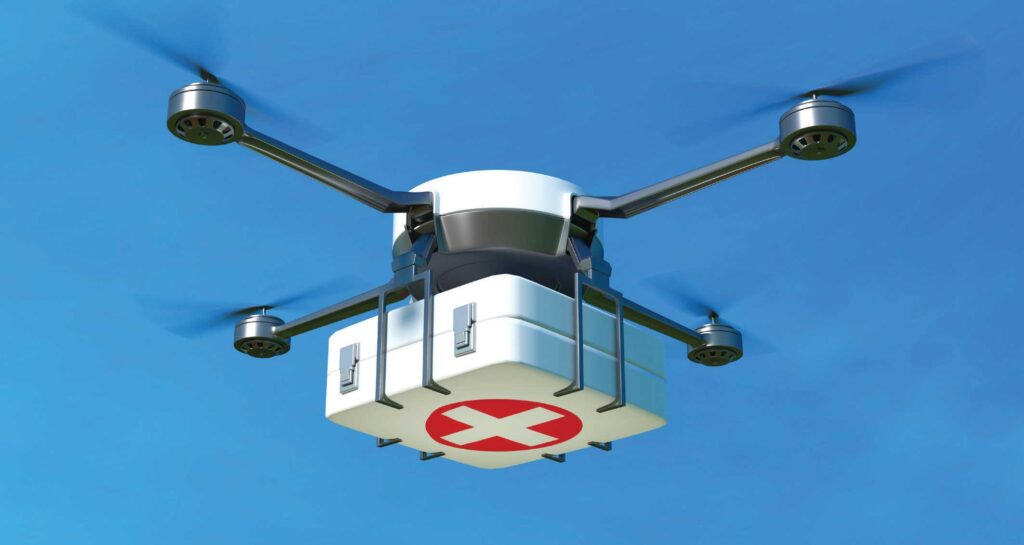
The COVID-19 pandemic, a defining challenge of the 21st century, profoundly impacted global health and daily life, causing widespread infection and mortality. While the world grappled with the virus, with some countries announcing vaccines but lacking clear effectiveness data, nations collectively learned to manage the crisis. This management involved leveraging advancements in medical care and technology, leading to a significant recovery effort. Specifically, the medical field experienced rapid technological advancements, demonstrating how innovation can bolster healthcare provisions and support during a global emergency.
Technology emerged as a powerful ally, whether through drones and robots facilitating medicine delivery and assisting medical professionals, or artificial intelligence (AI) aiding in patient diagnosis and treatment. These technological interventions proved invaluable, not only for the medical sector but for the entire world as it navigated the complexities of the pandemic.
Understanding COVID-19: A Brief Overview
Delve into a comprehensive overview of the significant medical technology advancements that emerged in 2020 on this page.
AI-Powered Robotics: Revolutionizing Healthcare
AI-driven robots provide substantial support to medical professionals by streamlining tasks that, while seemingly simple, are often time-consuming. As COVID-19 cases surged, doctors and healthcare workers faced immense pressure to frequently monitor patients. The introduction of robots transformed this process, efficiently taking over routine checks. These AI-powered robots have significantly enhanced pandemic management and improved overall healthcare facility operations.
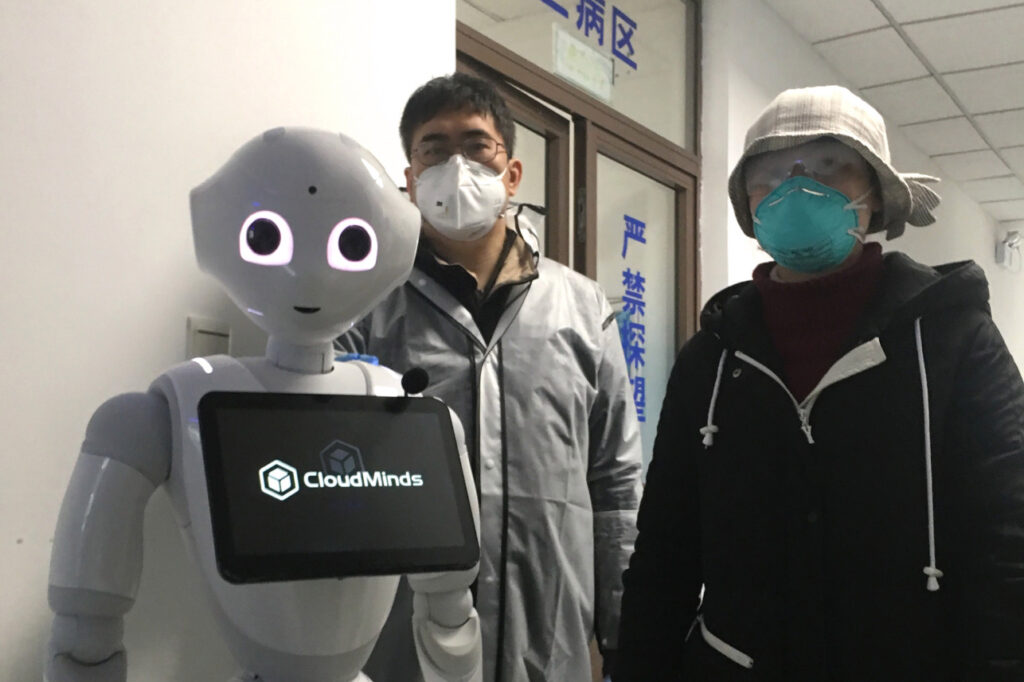
These intelligent robots execute contactless monitoring, operate advanced medical management systems, and offer AI-based solutions (like AI assistant robots) that enable medical teams to perform various tasks remotely, minimizing direct exposure risks.
For instance, they efficiently deliver medicines and meals to patients, conduct temperature checks, and allow doctors to remotely access patient medical data. Robots have proven to be invaluable aids to doctors during the crisis. Beyond patient care, these robots also assist with essential tasks such as gathering used bedsheets and safely disposing of medical waste.
Notably, on August 11, 2020, the Israeli embassy collaborated with AIIMS Delhi, India, to share these advanced robots, significantly aiding the country’s fight against the virus.
Vevra Pods: Pioneering AI-Driven Mobile Hospitals
Mobile hospitals? Absolutely. The Indian startup Vevra, based in Karnataka, introduced groundbreaking Artificial Intelligence-driven mobile hospitals designed as versatile pods. These innovative units, known as “Vevra Pods,” can be swiftly deployed and annexed anywhere, from existing hospital premises to open spaces, providing flexible and immediate medical infrastructure.
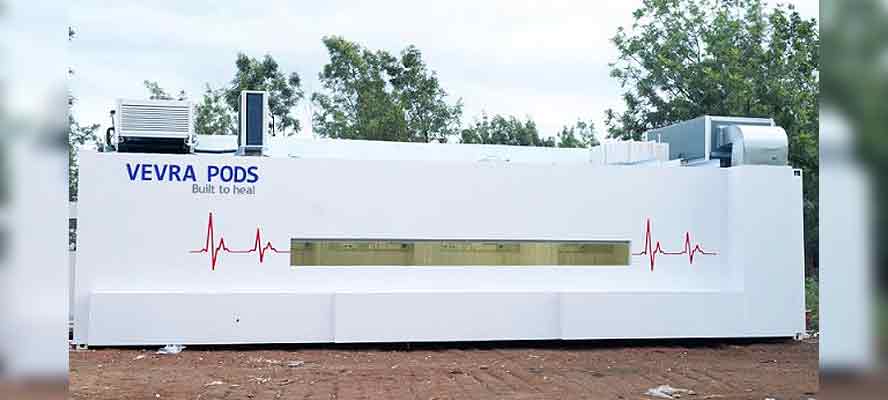
These specialized pods include General Pods, ICU Pods, Doctor Stay Pods, Operation Theatre Pods, and Scanning Room Pods, each capable of accommodating 4 to 5 beds. What makes these ‘Vevra Pods’ truly remarkable? They feature fire-resistant, anti-bacterial walls and bacterial & chemical-resistant flooring. They offer precise control over airflow quality and quantity, integrate UVC lights for disinfection, and boast a high-end exhaust system. Each room is air-conditioned, PLC-integrated, and equipped with surveillance and televisions for patient comfort and monitoring. Additionally, these mobile hospitals come with attached toilets, provisions for oxygen supply and pressure monitoring, and an advanced nurse call system, alongside other essential amenities.

Vevra confirmed that these pods are designed for reusability post-COVID-19, offering a substantial 15 to 20 years of structural warranty. An official further explained, “Entry and exit are controlled by RFID (radio frequency identification), and the pods continuously monitor environmental conditions, air quality, medical equipment, oxygen supply, and HVAC conditions, ensuring a highly controlled and safe environment.”
Drones in Healthcare: From Delivery to Disinfection
Drones have found diverse applications in combating the pandemic, primarily serving as efficient delivery vehicles and powerful disinfectant sprayers in healthcare settings.
Amazon Prime Air: Expediting Medical Deliveries
Amazon is preparing to launch its Amazon Prime Air project in India, utilizing drones for rapid package deliveries. The trillion-dollar corporation has selected Mumbai and Bangalore for its initial trials, with plans to officially launch the service as early as Diwali, signifying a significant leap in logistics.
/cdn.vox-cdn.com/assets/3663843/prime-air_high-resolution02.jpg)
These advanced octa-copter drones, equipped with 8 rotors and propellers, are engineered to carry packages up to 2.3kg, ensuring guaranteed medicine delivery within 30 minutes. Capable of flying at speeds up to 80kmph, these drones represent a remarkable advancement in efficient, contactless medical logistics.
Automated Disinfection: Drones for Public Health
Leveraging their remote accessibility and operational convenience, drones have been deployed to spray disinfectants across designated areas. This innovative use has significantly simplified and accelerated critical cleansing and sanitizing operations, enhancing public health efforts.
Rapid Antigen Tests: Advancing COVID-19 Diagnosis
The “E25-Bio New Rapid Antigen Test Kit” offers a rapid diagnostic solution for COVID-19. This user-friendly test functions much like an over-the-counter pregnancy test, providing clear visual results within just 15 minutes by detecting the virus in a patient’s sample.
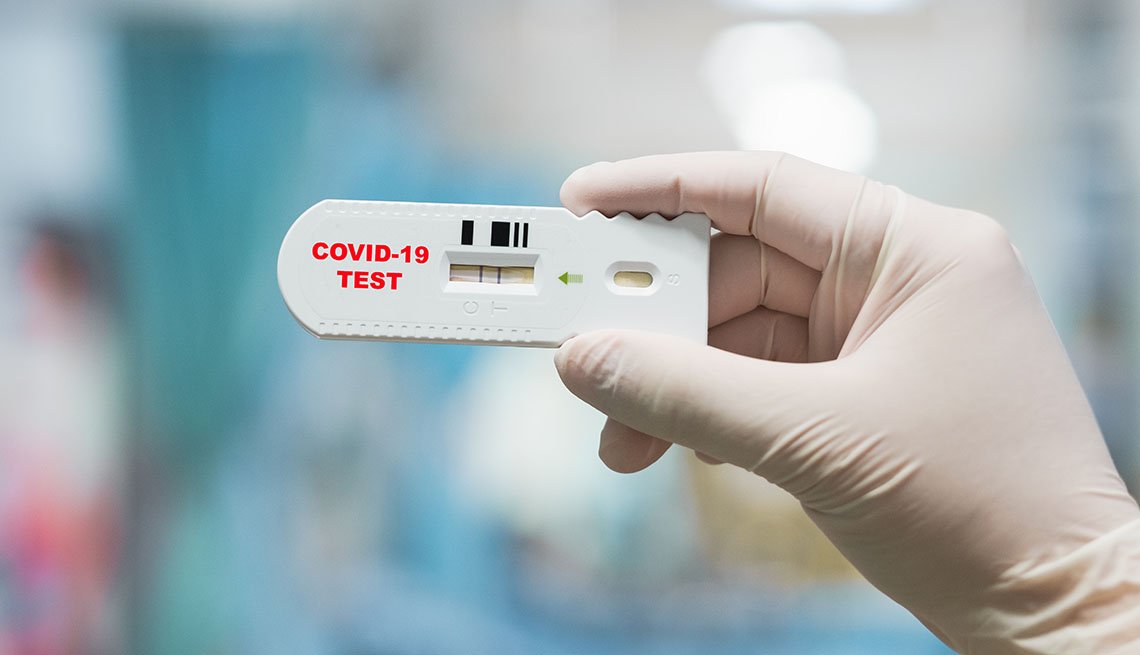
A distinguishing feature of the E25Bio test is its integrated mobile application, which accurately catalogs test results by both time and location. This unique capability is invaluable for collecting critical data on the virus’s spread, allowing patients to voluntarily share their results with state public health authorities. Such real-time data empowers governments to proactively implement preventative measures, effectively curbing further disease transmission and enhancing public health responses.
The Future of Healthcare Technology
The ongoing enhancements and breakthroughs in real-world technology are truly fascinating and often overwhelming. Humanity consistently demonstrates that what can be imagined, can indeed be created. Technological intervention across every sector continues to optimize global functioning. We eagerly anticipate even more exciting innovations in the years to come!
References:
- https://www.deccanchronicle.com/nation/politics/110820/israel-shares-ai-based-medical-equipment-technology-with-aiims-to-tac.html
- https://indianexpress.com/article/cities/bangalore/karnataka-launches-ai-driven-movable-hospitals-to-contain-covid-19-here-are-its-features-6563306/
- https://www.bgr.in/news/amazon-prime-air-drone-delivery-service-to-start-from-india-not-us-report-322146/
- https://www.forbes.com/sites/bernardmarr/2020/03/18/how-robots-and-drones-are-helping-to-fight-coronavirus/#25cf03e72a12
- http://energy.mit.edu/news/mit-tata-center-startup-e25bio-produces-15-minute-tests-for-covid-19/
Join our community by subscribing to our Weekly Newsletter to stay updated on the latest AI updates and technologies, including tips and how-to guides. You can also follow us on Instagram (@inner_detail) for more updates in your feed.
For more interesting informational, technology, and innovation content, keep reading The Inner Detail.