
Over a year has passed since the epic cinematic battles where heroes like Iron Man sacrificed everything for Earth’s well-being, echoing the grand finale of “Avengers: Endgame.” Yet, as of May 10, 2020, our world has grappled with the severe reality of the COVID-19 pandemic, reporting 4,131,037 positive cases and 281,015 fatalities globally. While fictional superheroes may appear to be taking a break, it’s a poignant moment to acknowledge and express gratitude to our true, real-life heroes: the doctors, healthcare workers, police officers, and government officials whose relentless efforts have provided incredible support during this challenging time. Their resilience and dedication serve as a powerful reminder of heroism, leading us into a discussion about another kind of hero creator.
The dramatic evolution of technology has allowed Marvel to transform its iconic comic books into blockbuster visual spectacles, consistently generating over $1.5 billion from recent releases. However, the foundational groundwork for these beloved characters was meticulously laid decades earlier, primarily between the 1940s and 1960s.
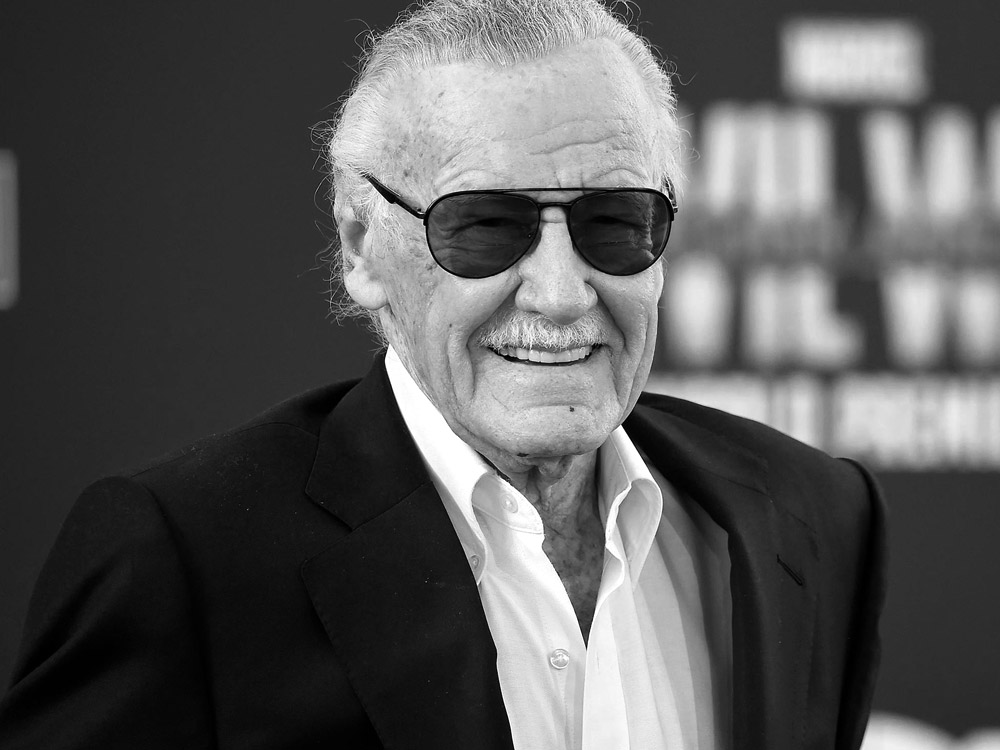
This remarkable transformation, from pulp paper to cinematic dominance, owes much to one visionary individual: the legendary Stanley Martin Lieber, better known as Stan Lee.
The Unforgettable Journey of Stan Lee: Architect of the Marvel Universe
- Born Stanley Martin Lieber on December 28, 1922, in New York City, U.S., this revered comic book writer, editor, publisher, and producer was the son of Romanian-born Jewish immigrants, Celia and Jack Lieber.
- Alongside legendary co-creators and artists like Jack Kirby and Steve Ditko, Stanley co-created an incredible pantheon of Marvel Super-Heroes, including the X-Men, Iron Man, Thor, Black Widow, the Fantastic Four, Black Panther, Doctor Strange, Ant-Man, and the globally popular Spider-Man.
- From his early childhood, Stanley developed a deep appreciation for books and films featuring heroic figures, often admiring actors like Errol Flynn for their portrayals of heroism. This passion for storytelling ignited his own writing ambitions, inspiring him to one day write the ‘Great American Novel’.
- Coming from a striving Jewish family background, Stanley took on numerous part-time jobs during his schooling years, including roles as an office boy and delivery-boy. His work writing obituaries and press releases significantly honed his writing skills. He was even encouraged to step aside from the weekly New York Herald Tribune essay competition after winning it three consecutive times, allowing other participants a chance.
- After completing his schooling in 1939, Stanley joined the Federal Theatre Project before embarking on his comic book journey as an assistant at Timely Comics, under the guidance of Martin Goodman, in the same year. His initial tasks were mundane, involving ink-filling, proofreading, and fetching lunch, offering little creative fulfillment.
- Within a few months, an opportunity arose for him to contribute a script for Captain America Comics #3, marking his official comic-book debut. This particular story was notable for featuring Captain America’s iconic ricocheting shield toss for the first time.
- Stanley adopted the pseudonym “Lee” to distance himself from the then-perceived low social status of comic book writers, aspiring to reserve his real name for his dream of writing the ‘Great American Novel’. He would later become universally known as “Stan Lee”.
- Within just two years, Lee transitioned from minor contributions to scripting entire comic books. His first superhero co-creation was the ‘Destroyer’ in Mystic Comics #6 in 1941. That pivotal year saw Lee contribute to the creation of several other characters, including ‘Father Time’ in Captain America.
- A dispute between Jack Kirby and Martin Goodman in 1941 led to Lee’s appointment as interim editor. Impressively, at the remarkably young age of 19, he was swiftly promoted to ‘editor-in-chief’ of Timely Comics.
- In 1942, Lee joined the US Army. He initially served in the telegraph and communication department before transferring to the Training Film Division, where he earned the distinguished title of “playwright”—a rare honor bestowed upon only nine individuals in the entire US Army.
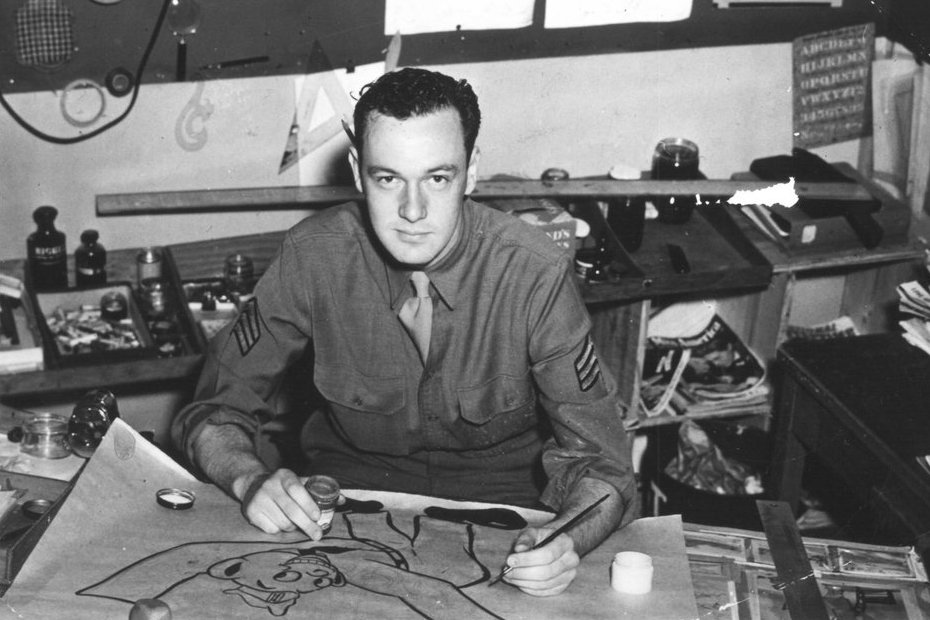
- Even during his Army service, Timely Comics, impressed by his burgeoning writing talent, would mail Lee scripts on Fridays, expecting completed scenes back within two days.
Stan Lee famously recounted a memorable incident from his military days: “On a particular day, the mail-man erred my letter from the letter-box. When I found this out, I rushed to the mailroom and asked the officer to open it, but he refused. I took a screw driver and unscrewed the mailbox hinges, to add my mail too. This got me to face tampering charges, but thankfully colonel of Finance Department helped to let me free from disciplinary Action.”
- After his service in the US Army, Stan Lee continued his prolific career as a comic writer, exploring diverse genres such as romance, humor, science fiction, horror, and suspense. However, by the late 1950s, his enthusiasm for the comic book industry began to wane, leading him to seriously consider leaving the field.
- In the late 1950s, witnessing the immense success of DC Comics’ “Justice League of America,” Martin Goodman challenged Lee and Jack Kirby to develop characters that could rival DC’s triumph. Their response was the creation of the enduringly popular “Fantastic Four.” The series achieved immediate success, largely because Lee crafted characters who felt remarkably human—struggling with relatable emotions, melancholy, and vanity—making readers connect with them as if they were genuine friends.
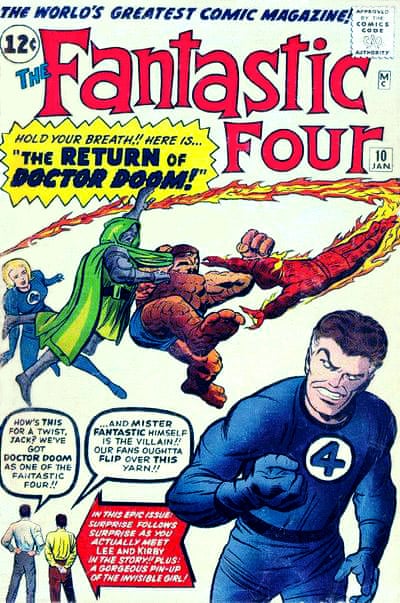
- The widespread acclaim of the Fantastic Four series inspired and motivated Lee and Kirby to create a multitude of new characters, leading to the birth of iconic figures like the X-Men, Iron Man, and eventually, Spider-Man. Timely Comics officially rebranded as Marvel Comics, solidifying its status as a grand force in the comic book universe.
- These characters coexisted within a revolutionary shared-universe, which became known as the Marvel Universe. New creations were eventually assembled into the legendary team called the “Avengers.” Marvel’s characters resonated deeply with audiences, particularly teens and children, quickly becoming some of the most popular comics worldwide.
- In 1966, Lee collaborated with John Romita Sr. to co-create the acclaimed ‘Amazing Spider-Man’. Later, in 1969, he partnered with Gene Colan to introduce the character of ‘Falcon’. Stan Lee also played a crucial role in reforming the Comics Code Authority’s guidelines, specifically by integrating cautionary subplots about the dangers of drugs into three issues of Amazing Spider-Man, at the suggestion of the US Health Department.
- By 1972, Stan Lee transitioned from writing monthly comics to becoming a publisher, executive producer, and the iconic public face of Marvel. From then on, he served as a prominent figurehead for the company, frequently attending lectures, conventions, and discussions. Lee also became famous for his memorable cameo appearances in numerous Marvel films.
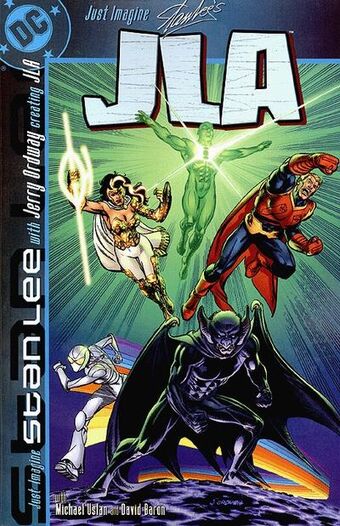
- Remarkably, in 2001, Stan Lee collaborated with rival DC Comics on the ‘Just Imagine…’ series, offering his unique re-imaginations of classic DC superheroes like Superman, Batman, Wonder Woman, Green Lantern, and The Flash.
- In 2001, Lee co-founded “POW! (Purveyors of Wonder) Entertainment” with Gill Champion and Arthur Lieberman, a company dedicated to developing new film, television, and video game properties.
- In 2002, Stan Lee initiated a lawsuit against Marvel, alleging that the company failed to provide his previously agreed-upon 10% share of profits. The dispute was ultimately settled in 2005 for an undisclosed seven-figure sum.
- The year 2012 brought forth additional ventures for Lee. He co-wrote the graphic novel Romeo and Juliet: The War, which achieved a spot on The New York Times best-seller list. He also launched “Stan Lee’s World of Heroes,” a YouTube channel featuring a variety of comics, comedy, and sci-fi content. By the end of that active year, the perpetually energetic Lee celebrated his 90th birthday.
- Lee was honored with a Medal of Arts by President George W. Bush. He also launched the History Channel series Stan Lee’s Superhumans, which explored individuals possessing extraordinary skills and abilities.
- Stan Lee married Joan Clayton Boocook on December 5, 1947, and they welcomed their daughter, Joan Celia Lee, in 1950. In 2017, Lee mourned the loss of his beloved wife of nearly 70 years, Joan, who passed away at the age of 95 due to complications from a stroke.
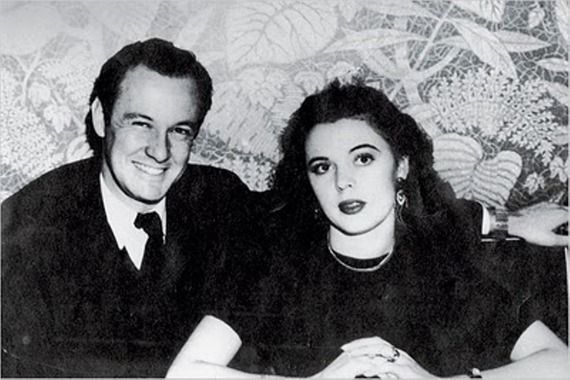
- The revered writer, Stan Lee, passed away on November 12, 2018, with aspiration pneumonia, sudden cardiac arrest, and respiratory and congestive heart failure listed as causes.
Stan Lee’s Enduring Legacy: Redefining Heroes
In a world frequently marked by conflicts, disasters, and human imperfections, many tend to retreat into personal comforts, often dismissing social and economic responsibilities as someone else’s problem. This mindset often calls for “super-humans” or “super-heroes” to resolve complex issues. Yet, Stan Lee, the visionary comic book writer, revolutionized this very concept. As early as 1941, he redefined “super-heroes” not as flawless, god-like beings, but as relatable human beings grappling with genuine emotions, burdens, love, and family responsibilities. Prior to his groundbreaking approach, heroes were typically portrayed as divinely gifted and infallible. This comic book revolution awakened a crucial insight: we are all interconnected individuals, capable of fighting for noble causes. His enduring message rings true:
“All Humans who fight for social well-being are SUPER-HEROES”
Join our community by subscribing to our Weekly Newsletter to stay updated on the latest AI updates and technologies, including the tips and how-to guides. Also, follow us on Instagram (@inner_detail) for more updates in your feed. For more such interesting informational, technology, and innovation content, keep reading The Inner Detail.

Pingback: How this Iron Man’s Suit could serve in this Real World? – The Inner Detail