
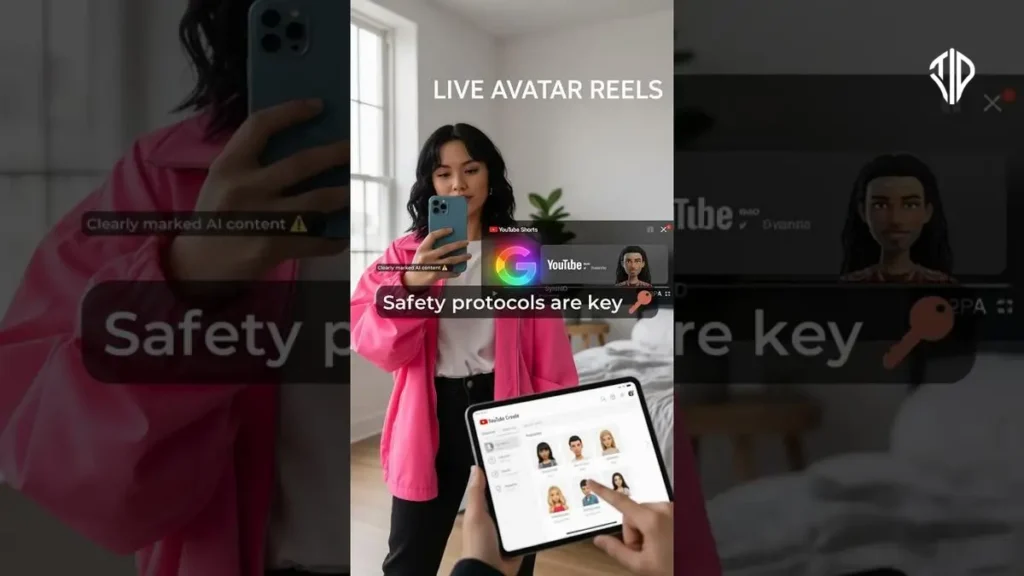
YouTube is introducing AI-driven avatars that allow creators to generate Shorts using digital clones of their own likeness and voice. This innovative tool simplifies the production process by transforming text prompts into realistic video content without the need for constant filming.
For years, the greatest hurdle for aspiring content creators has been the logistical demand of being camera-ready. Between finding the perfect lighting, managing a tidy background, and mustering the energy to perform, the physical act of recording often overshadows the creative spark of the idea itself.
This new shift represents a transition toward a more frictionless digital experience, much like how voice-to-text revolutionized writing. By allowing a digital version of yourself to handle the presentation, YouTube is lowering the barrier to entry, ensuring that a bad hair day or a cluttered room no longer stands in the way of a great story.
Key Takeaways
- YouTube’s new AI tool converts text prompts into realistic Shorts using digital clones of a creator’s likeness and voice.
- The setup requires a one-time “live selfie” recording to capture unique physical nuances and vocal patterns.
- The system generates clips up to eight seconds long, allowing for rapid script testing and content iteration.
- Security measures ensure that likeness data is private, and all AI-generated content is labeled with transparency tags like SynthID.
- Creators must be at least 18 years old and have an active channel to access these generative video features.
The Mechanics of Digital Duplication
The process begins with a sophisticated setup designed to capture the essence of a creator’s physical presence. To generate an avatar, users are required to record a live selfie through the YouTube app or the YouTube Create platform.
This involves capturing your face and voice from multiple angles while following specific on-screen prompts to ensure the AI understands your unique nuances.
To achieve the best results, YouTube recommends recording in a quiet environment with consistent lighting, holding the device at eye level. This initial data serves as the blueprint for your digital twin.
Once the setup is complete—a task that generally only needs to be done once—the system is ready to translate your written words into a lifelike video performance.
From Text to Motion
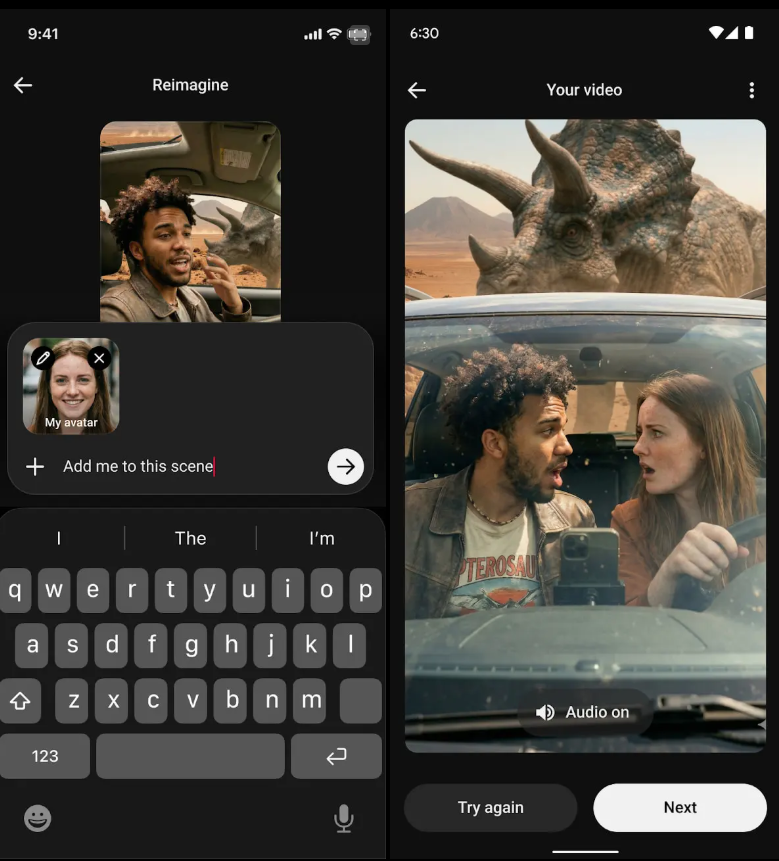
Once your avatar is established, the creative process shifts from acting to directing. By entering a text description, creators can generate video clips where the avatar mimics natural human behavior.
The system intelligently animates lip movements, facial expressions, and hand gestures to match the tone and rhythm of the provided text.
Currently, the tool generates clips up to eight seconds long, but these can be produced back-to-back to create a cohesive narrative. This functionality allows for rapid experimentation; a creator can test multiple scripts and visual styles in a fraction of the time it would take to film them manually.
Furthermore, these avatars can be integrated into existing Shorts, providing a versatile way to maintain a personal brand without needing to be physically present for every frame.
Safety, Security, and Transparency
As with any technology involving synthetic media, security is a primary concern. YouTube has implemented several safeguards to ensure these avatars are used responsibly.
Most notably, the selfie and voice data collected during setup are used exclusively for avatar creation. Other users cannot hijack your likeness to produce their own content, and you retain the right to delete your avatar data at any time.
Transparency is also a cornerstone of this rollout. To distinguish AI-generated content from traditional footage, YouTube will apply various digital labels. This includes visible watermarks and metadata tags such as SynthID and C2PA, which signal to viewers that the video was created using artificial intelligence.
Feature Comparison: Traditional Filming vs. AI Avatars
The following table highlights the core differences between the traditional content creation path and the new avatar-based workflow.
| Process Aspect | Traditional Filming | AI Avatar Creation |
|---|---|---|
| Setup Requirements | Physical space, lighting, and camera equipment. | One-time live selfie capture. |
| Production Speed | Lengthy; requires multiple takes and manual editing. | Rapid; generated instantly from text prompts. |
| Creator Presence | Must be physically present and camera-ready. | Only requires creative input and script writing. |
| Flexibility | Hard to change scripts once filming is complete. | Easy to edit text and regenerate videos immediately. |
Accessibility and Eligibility
While the potential for this technology is vast, YouTube is taking a gradual approach to its release. To access the tool, creators must be at least 18 years old and possess an active YouTube channel.
By starting with a staged rollout, the platform can monitor how the community interacts with these tools while ensuring the AI remains a safe and productive addition to the creator ecosystem.
This move places YouTube at the forefront of the generative video landscape, particularly as other competitors shift their focus. By prioritizing user likeness and safety, they are offering a unique value proposition: the ability to scale your presence without sacrificing your privacy or your time.
Join our community by subscribing to our Weekly Newsletter to stay updated on the latest AI updates and technologies, including the tips and how-to guides. (Also, follow us on Instagram (@inner_detail) for more updates in your feed).
(For more such interesting informational, technology and innovation stuffs, keep reading The Inner Detail).
