
Aging is an inevitable biological process for all living beings, a constant reminder that nothing is permanent. Yet, groundbreaking scientific advancements in the 21st century are challenging this notion. Researchers have now successfully managed to reverse the aging process in animals, with promising implications for human longevity. This article details the innovative approaches taken by two distinct scientific teams who have discovered unique methods to turn back the biological clock.
Harvard Medical School’s Breakthrough in Anti-Aging Research
A team from Harvard Medical School has achieved remarkable success in cellular rejuvenation, restoring vision in mice by reversing the age of retinal eye cells. Their pioneering work demonstrates the feasibility of safely reprogramming complex bodily tissues, such as ocular nerve cells, to a more youthful state. This process effectively resets cellular functionalities, allowing aged cells to behave like younger ones.
Furthermore, this research team also successfully reversed vision loss in animal models, specifically addressing a condition that closely mimics human glaucoma.
“Our study demonstrates that it’s possible to safely reverse the age of complex tissues such as the retina and restore its youthful biological function,”
stated senior author David Sinclair, a renowned professor of genetics at the Blavatnik Institute at Harvard Medical School and co-director of the Paul F. Glenn Center for Biology of Aging Research at HMS. Sinclair is a leading expert in the field of aging.
Sinclair emphasized that successful replication of these studies could lead to transformative therapies, enabling the engineering of various complex tissues throughout the body. Ultimately, this research offers a promising pathway to reverse aging and combat age-related diseases in humans.
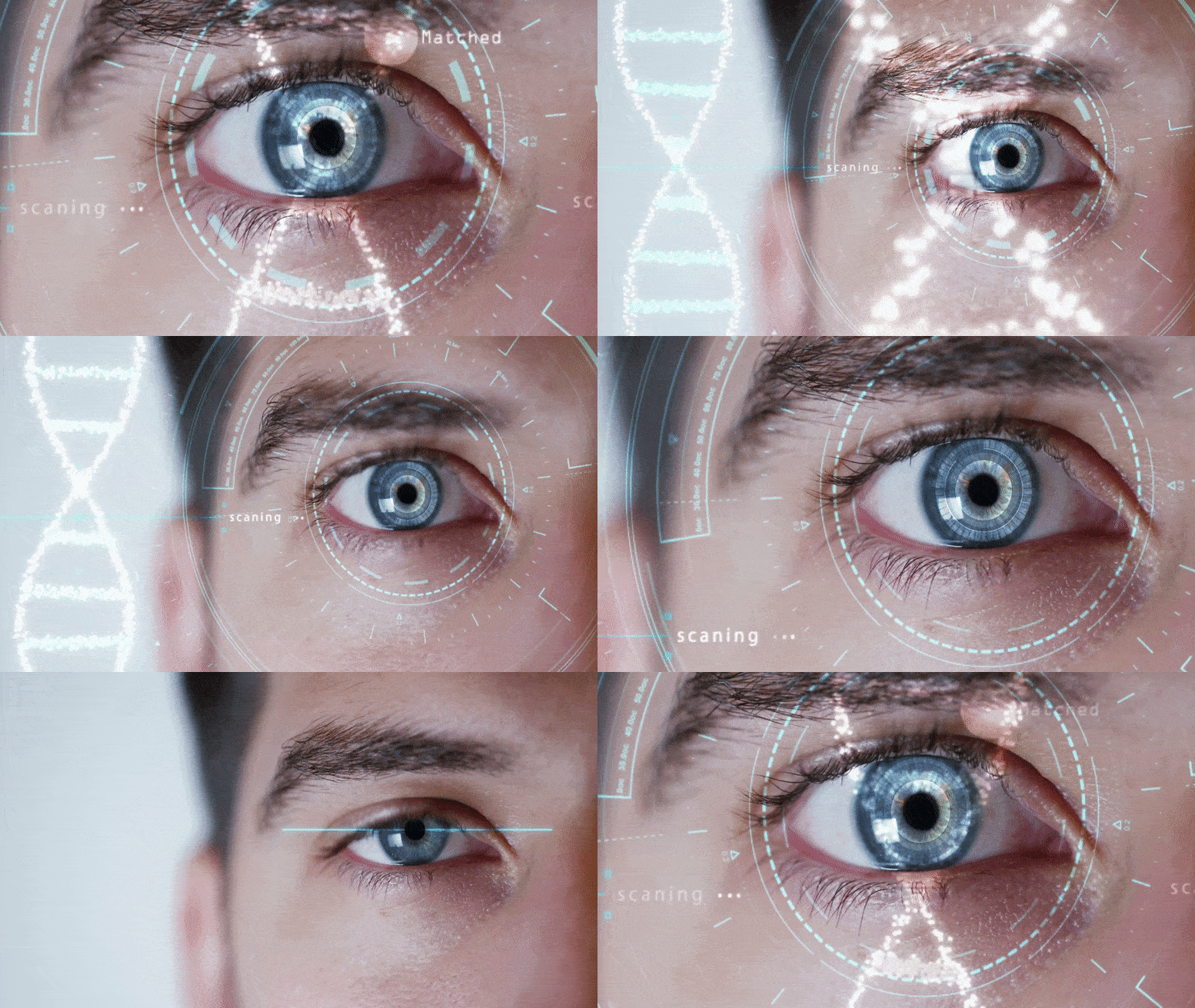
The Harvard team’s novel theory on aging posits that while most body cells contain identical DNA, they perform a wide array of specialized functions. This cellular specialization is achieved through the epigenome, a sophisticated system that regulates gene expression by turning genes on and off in specific patterns, without altering the underlying DNA sequence. Over time, epigenetic changes can cause cells to misinterpret genetic instructions, leading to cellular malfunction and contributing to the symptoms and diseases associated with aging.
A significant change observed with aging is the loss of DNA methylation in cells, which impairs gene responsiveness to cellular functions. Previously, it was unclear whether DNA methylation directly drives age-related cellular changes. However, this recent study suggests that if DNA methylation indeed controls aging, then strategically erasing certain methylation footprints could potentially reverse the cellular age within living organisms, restoring cells to a more youthful state.
In the specific mouse experiment targeting glaucoma, treatment with restorative genes (Oct4, Sox2, and Klf4) resulted in increased nerve cell electrical activity and a marked improvement in visual acuity, as measured by the mice’s ability to detect moving vertical lines on a screen.
Meredith Gregory-Ksander, HMS Assistant Professor of Ophthalmology, commented, “Regaining visual function after injury has rarely been demonstrated by scientists.” She added, “This novel approach, which successfully reverses multiple causes of vision loss in mice without requiring a retinal transplant, signifies a new treatment modality in regenerative medicine.”
Israeli Scientists Pioneer Oxygen Therapy for Age Reversal
Another pioneering anti-aging technique, developed by Israeli scientists, focuses on treating adult cells with oxygen. This innovative approach has yielded highly promising results, demonstrating the ability to make cells biologically younger.
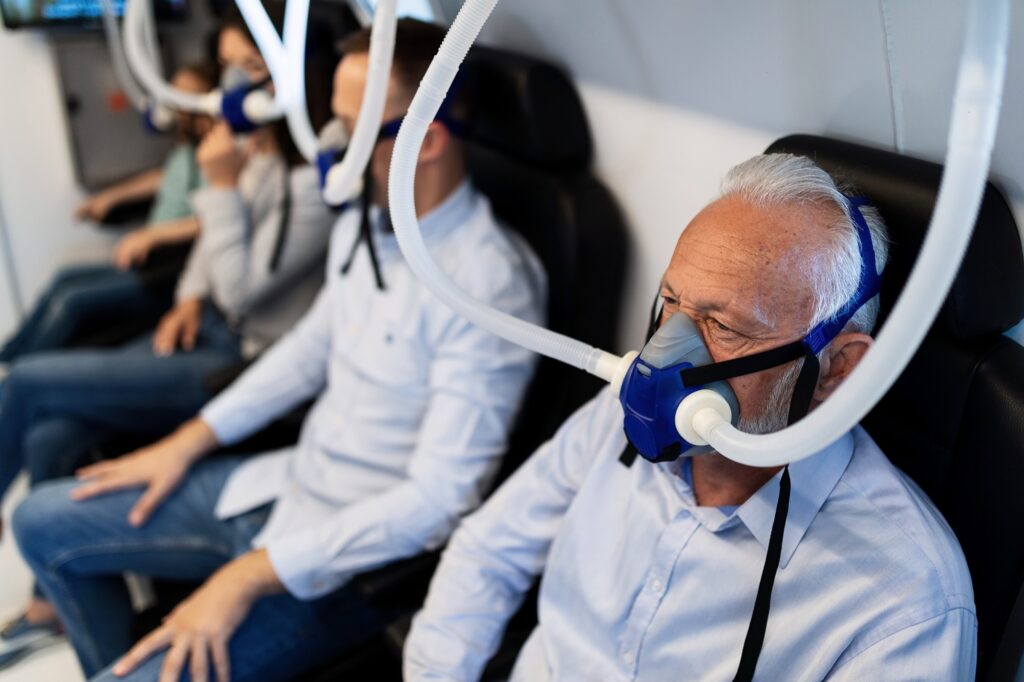
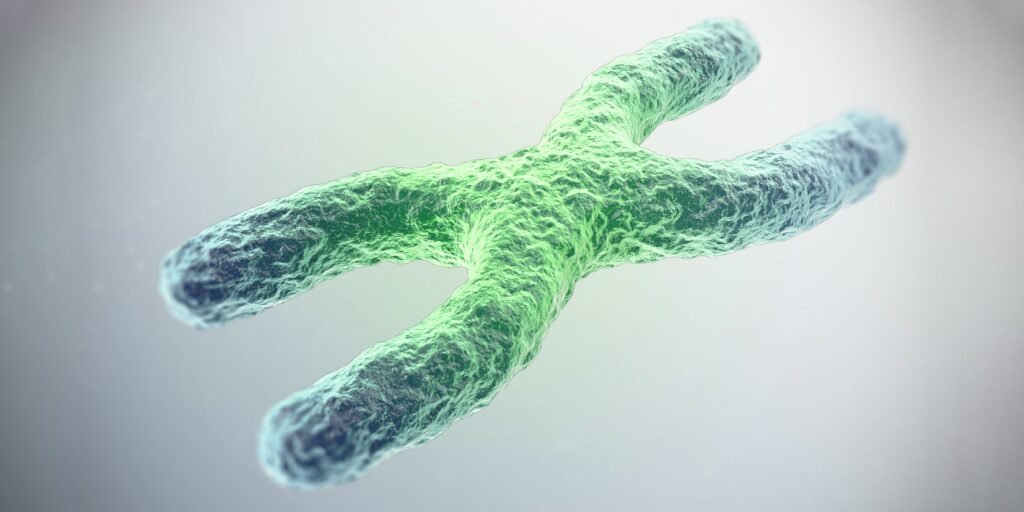
This significant project, led by Tel Aviv University and the Shamir Medical Center of Israel, involved treating body cells within a high-pressure oxygen chamber. The remarkable outcome was the reversal of two key processes linked to aging and age-related illnesses, in addition to effectively halting cellular aging. Specifically, the treatment addressed the shortening of telomeres (protective cap-like structures on chromosomes) and the accumulation of senescent, malfunctioning cells within the body.
Under the leadership of Professor Shai Efrati from Tel Aviv University, the research conducted hyperbaric oxygen treatments (HBOT) on 35 human participants, all adults over 65 years old. The regimen involved 90-minute sessions, five times a week, for a period of three months.
After just three months, the study revealed profound physical changes, with participants’ bodies exhibiting cellular characteristics equivalent to those 25 years younger. Beyond the physical, subjects also demonstrated significant cognitive enhancements, including improved attention, faster information processing speed, and enhanced executive functions.
Cells respond to various stressors, including oxidative stress, DNA damage, and telomere shortening, by entering a stable, persistent exit from the cell cycle. This critical process, known as cellular senescence, prevents damaged cells from proliferating and potentially developing into cancer. However, cellular senescence also naturally contributes to the aging process and the onset of age-related diseases. Recent scientific investigations have now shown that cellular senescence can indeed be reversed.
“Today telomere shortening is considered the ‘Holy Grail’ of the biology of ageing,”
Professor Efrati highlighted the significance of this groundbreaking research, stating that “telomere shortening is considered the ‘Holy Grail’ of the biology of aging.” He noted that while researchers worldwide have strived to develop interventions for telomere elongation, the HBOT protocol has successfully achieved this crucial anti-aging effect.
Further Reading: Discover how MIT Scientists are building Wearable Devices to Hack Your Dreams
Another Promising Anti-Aging Approach
In a related endeavor, researchers in Korea explored a similar anti-aging pathway by blocking an enzyme known as PDK1. This technique successfully restored the cells’ capacity to re-enter the cell cycle, effectively rejuvenating them. Scientists advocate for further investigations into PDK1 inhibition’s comprehensive effects across various organs and organisms. Notably, as the gene coding for PDK1 is overexpressed in certain cancers, inhibiting this enzyme is anticipated to offer both anti-aging and anti-cancer benefits.
The Future of Anti-Aging: A New Dawn
Explore more: Time Travel Now Paradox-Free, According to Young Physicist
For humanity, the fear of aging and its ultimate consequence, death, has long been a profound concern. However, thanks to relentless research, innovative developments, and the remarkable advancements in modern science and technology, the possibility of reversing aging and maintaining youthful vitality has emerged. These findings, now demonstrated both theoretically and experimentally, are truly awe-inspiring, proving that scientific endeavor can indeed make the seemingly impossible, possible.
As one might perfectly conclude:

References:
- https://scitechdaily.com/scientists-reverse-the-aging-clock-restore-age-related-vision-loss-through-epigenetic-reprogramming/
- https://www.firstpost.com/tech/science/scientists-make-breakthrough-in-anti-aging-treatment-and-reverse-signs-of-ageing-in-human-cells-9046151.html
- https://www.sciencedaily.com/releases/2020/11/201130101245.htm
Join our community by subscribing to our Weekly Newsletter to stay updated on the latest AI updates and technologies, including the tips and how-to guides. (Also, follow us on Instagram (@inner_detail) for more updates in your feed).
(For more such interesting informational, technology and innovation stuffs, keep reading The Inner Detail).
