
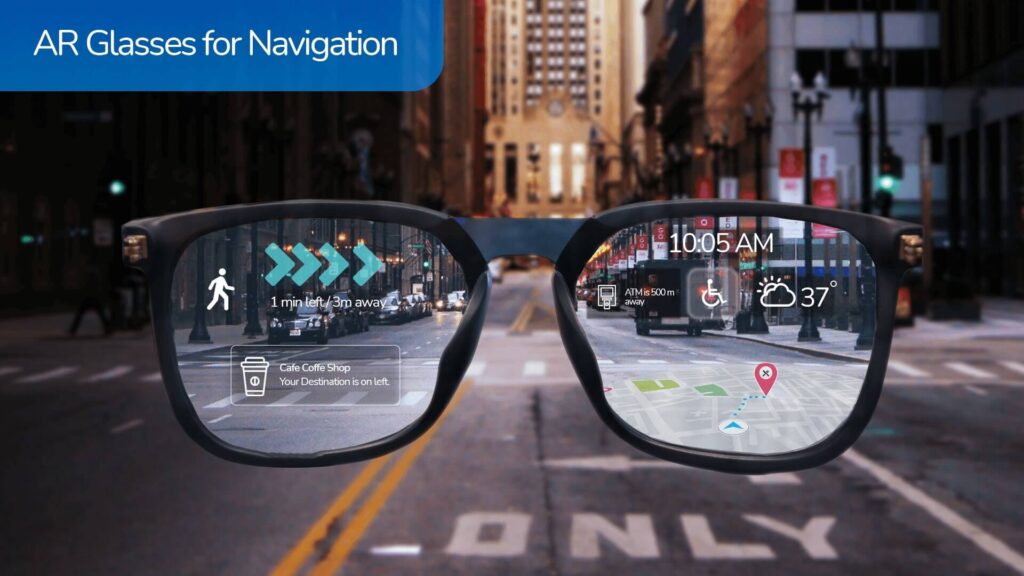
The future is rapidly advancing with incredible technological enhancements, opening up vast opportunities and enrichments for everyone. Imagine experiencing a technology akin to ‘Jarvis’ from Iron Man – a reality that is now accessible to you through Augmented Reality (AR), a field championed by companies like Apple. This blog post delves into the world of AR, emphasizing the importance of exploring and understanding such innovations to enhance your daily life in this evolving tech era.
Understanding Augmented Reality (AR)
Augmented Reality (AR) is a groundbreaking technology that seamlessly overlays virtual objects or digital information onto our real-world environment. It provides an interactive and immersive experience where virtual elements coexist with the physical world. This is achieved through software-generated perceptual information, delivered via hardware, allowing users to visualize and interact with these virtual objects. AR experiences can engage multiple senses, including visual, auditory, haptic (touch), somatosensory, and even olfactory (smell).
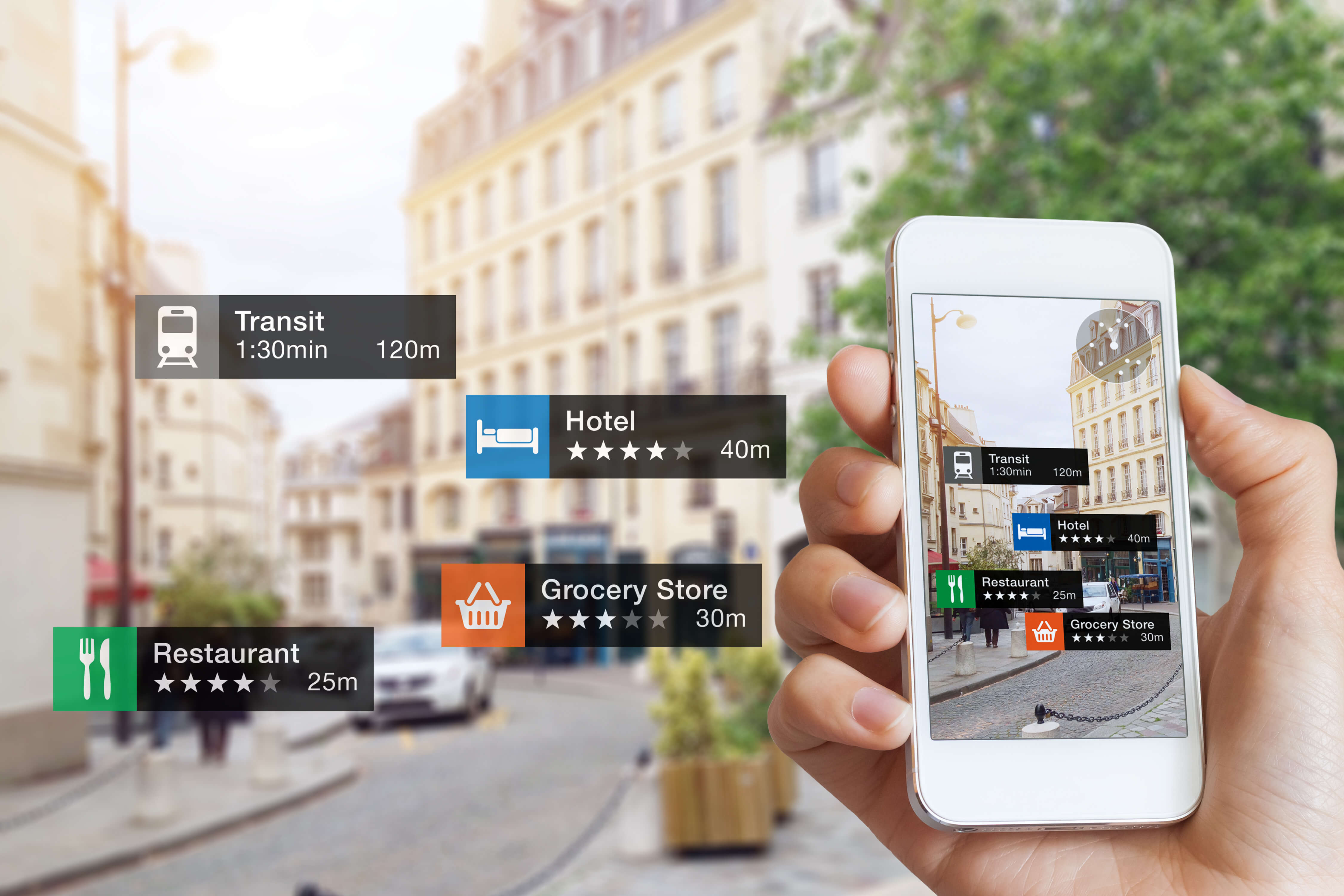
Key characteristics of Augmented Reality include the seamless fusion of real and virtual worlds, real-time user interaction, and precise 3D registration of virtual objects within a physical space. This technology effectively brings information and enhancements directly into your field of vision, elevating your overall experience. For example, instead of needing to print a document or constantly check a mobile screen to view information for an extended period, AR can project that data directly into your line of sight. This concept echoes early innovations, such as the heads-up displays developed for pilots in the 1950s, which projected flight data directly onto their view, eliminating the need to constantly glance down at instruments. In essence, AR makes digital information virtually accessible within your real-world perception.
Augmented Reality vs. Virtual Reality: Key Distinctions
Augmented Reality (AR) and Virtual Reality (VR) are distinct yet often confused technological concepts. While both offer immersive digital experiences, they operate on fundamentally different principles. AR integrates artificial objects into your existing real-world environment, enhancing what you already see.
In contrast, Virtual Reality (VR) completely immerses the user within a simulated virtual environment, replacing their perception of the real world entirely. VR creates an entirely new digital world where users can interact and feel present, responding directly to the virtual surroundings. For AR, devices render 3D graphics and superimpose these computer-generated images onto a user’s real-world view, typically through a camera feed. The AR experience is designed to augment reality based on the user’s interaction and convenience, making the existing environment more dynamic.
How Augmented Reality Works: Hardware and Software
To fully grasp how Augmented Reality functions, it’s essential to examine its core components: the hardware that facilitates the experience and the sophisticated software that powers it.
AR Hardware Components
AR hardware refers to the physical devices that enable users to view and interact with virtual objects integrated into the real world. Essentially, any device equipped with a processor, display, sensors, and input capabilities can serve as an AR hardware platform. These devices utilize sensors to analyze the surrounding environment, collecting data that is then processed by the software. Finally, the hardware projects the generated virtual objects into the user’s field of vision, seamlessly blending them with reality.

While smartphones commonly serve as AR hardware, more advanced dedicated AR devices include head-mounted displays (HMDs), head-up displays (HUDs), and virtual retinal displays (VRDs). Emerging innovations even feature AR capabilities within contact lenses, offering incredibly discreet experiences. Furthermore, numerous mobile applications have already integrated AR, a prime example being Snapchat, which uses AR filters to overlay dynamic digital elements onto users’ faces in real-time.
AR Software and Its Functionality
Software is the pivotal component that brings Augmented Reality to life. The operation of AR software can be broadly understood in two main stages. The initial stage involves deriving precise real-world coordinates, independently of the camera’s position, through a process known as image registration. The hardware collects crucial “interest points” or “fiducial markers” from the real environment. This data collection is typically achieved using various feature detection or digital image processing methods, such as corner detection, blob detection, edge detection, or thresholding.
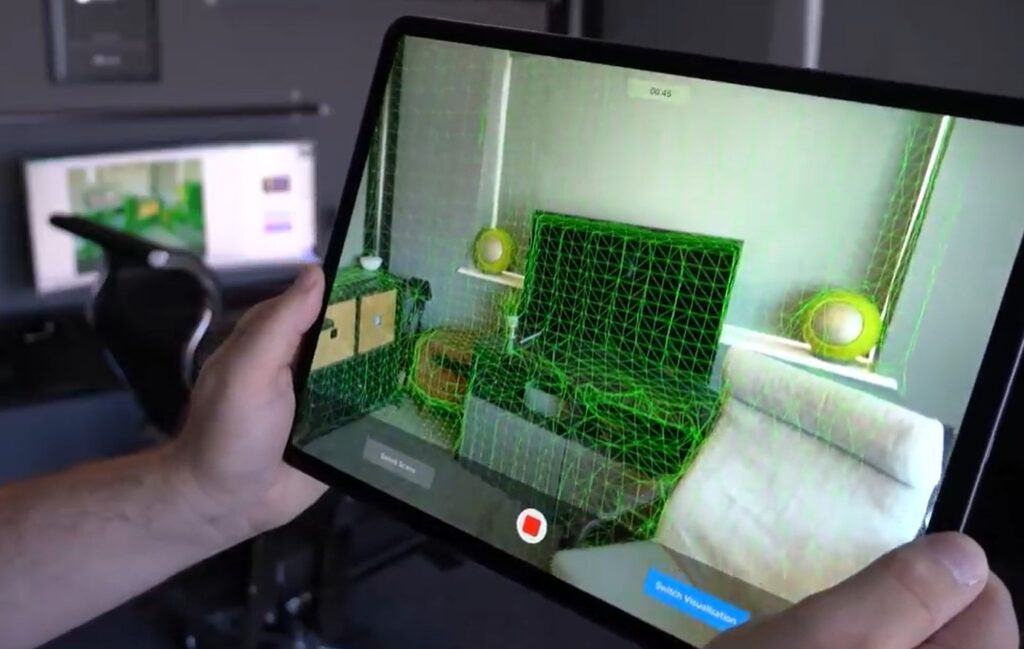
The subsequent stage involves accurately placing and “fixing” the virtually generated objects within the real-world environment. Utilizing the collected data, the software employs mathematical methods, 3D modeling, and simulation techniques to seamlessly integrate these artificial objects into the real-world view. This comprehensive process allows AR to sense the real environment, create digital enhancements, and present a cohesive, augmented reality experience.
Apple Glass: Revolutionizing AR Integration
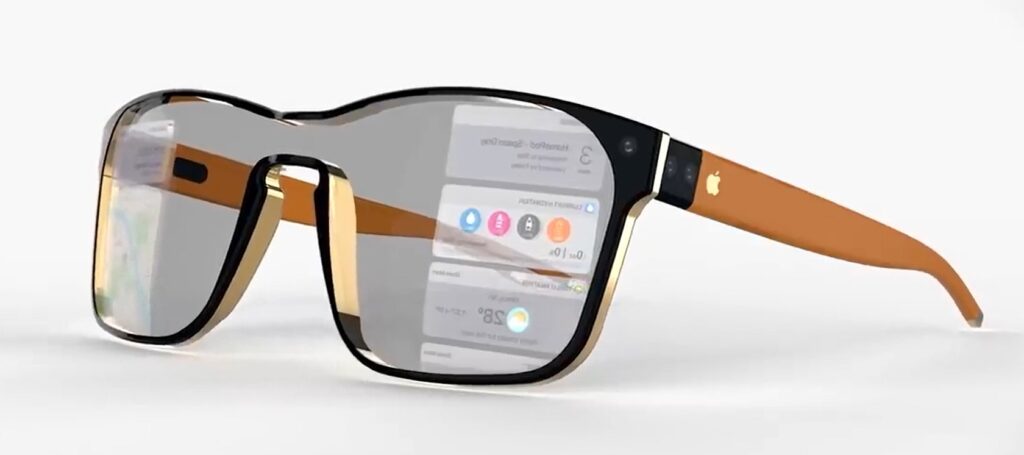
A significant leap in AR technology is anticipated with Apple Glass. Apple consistently impresses with its innovative products, and Apple Glass is poised to deliver an unparalleled Augmented Reality experience.
More than just a pair of ordinary spectacles, Apple Glass enhances the real world with advanced AR capabilities. Its sleek and stylish design integrates a LiDAR sensor for precise real-world detection and analysis. Seamlessly connected to iPhones, Apple Glass projects notifications and other critical information directly from your mobile device into your field of vision. Users can interact with these virtual displays using intuitive hand gestures and voice commands, making the experience truly dynamic and exciting.
Another remarkable feature of Apple Glass is its embedded displays within each lens, which promise crisper visuals and a more immersive user experience compared to the projected displays found in devices like Google Glass. Given these advanced enhancements, the anticipated starting price for Apple Glass is $499.
Embracing Technology Responsibly
As humans, we constantly adapt to technological advancements, often leveraging them to meet our evolving needs and expectations. For tech enthusiasts and engineers, these innovations can inspire grand visions. However, for many, the increasing integration of technology into our daily lives can sometimes lead to distraction or even obsession. While technology is designed to enhance our thinking and improve our lives, it’s crucial to avoid becoming overly reliant or addicted. This serves as a reminder, considering instances like the extreme devotion seen in players of Pokémon Go or the widespread fascination with Snapchat filters among young people.

References:
- wikipedia.com
- computer.howstuffworks.com
- youtube.com
Join our community by subscribing to our Weekly Newsletter to stay updated on the latest AI updates and technologies, including the tips and how-to guides. Also, follow us on Instagram (@inner_detail) for more updates in your feed. For more such interesting informational, technology and innovation stuffs, keep reading The Inner Detail.

Pingback: Educational Trends enhancing the Student’s Future – The Inner Detail
Pingback: Future Technology Trends & Opportunities – The Inner Detail
Pingback: A Day in Future with Smart Contact Lens would be like… – The Inner Detail