
In the evolving landscape of technology, smartphones hold an undeniable prominence, boasting 5.44 billion users globally as of January 2023. With a vast array of brands and numerous models available, selecting the ideal smartphone can often feel overwhelming.
To simplify this crucial decision, we present a comprehensive guide on how to evaluate, compare, and ultimately choose the best smartphone tailored to your needs. This guide will walk you through essential smartphone parameters, features, and specifications, empowering you to make a confident choice and even assist others.
Key Factors When Choosing a Smartphone
- Budget or Price
- Primary Purpose of Use
- Brand Preference
- Processor & RAM
- Operating System
- Display Quality
- Camera Capabilities
- Storage Capacity
- Battery Life
Begin by clarifying your primary selection criteria for a new smartphone: are you prioritizing a specific budget, a particular usage purpose, or simply seeking the absolute best phone regardless of cost or use? If your aim is the latter – the ultimate device – you can proceed directly to brand considerations, potentially bypassing budget and purpose discussions.
Defining Your Smartphone Budget and Price Range
Financial considerations are often paramount. If you’re working with a specific budget, such as ₹30,000 ($350) or less, when selecting your ideal smartphone, you have two primary approaches: either narrow down your options by choosing a preferred brand first and then exploring its features, or prioritize desired features and performance specifications across various brands.
To assist you, we’ve compiled a list of top smartphones across various price segments:
- Best Smartphones under ₹30,000
- Best Smartphones under ₹20,000
- Best Smartphones under ₹10,000
Smartphones priced above ₹30,000 ($350) generally offer premium features and specifications. At this price point, your primary consideration might shift towards specific brand preferences or identifying the absolute best in categories like overall performance or camera quality.
Determining Your Smartphone’s Primary Purpose
Every user has unique requirements and expectations from their mobile device, largely dependent on its intended use. For instance, some users prioritize a high-performance smartphone built for longevity or intensive gaming, while others seek top-tier camera phones for video production or content creation. Conversely, some may simply desire a trendy, branded device above all other features.
Clearly define your core needs—be it performance, camera capabilities, reliability, or other specific features—before proceeding with your smartphone selection.
Understanding Smartphone Processors (SoC)
A product’s excellence is often measured by its performance and efficiency, and for smartphones, this largely depends on the processor. Also known as the chipset or System on a Chip (SoC), the processor acts as the central brain, orchestrating all functions and operations within your mobile device.
A powerful and efficient smartphone processor not only ensures smooth device operation but also significantly enhances other critical aspects, such as advanced image processing and optimized battery life. A prime example is the Google Pixel 6a’s Tensor chip, which substantially improves its photography capabilities in addition to its primary role in overall performance.
For a deeper dive into selecting the ideal smartphone based on processor comparisons, refer to our detailed guide.
Smartphone RAM: Enhancing Multitasking and Speed
RAM (Random Access Memory) serves as the system memory where your smartphone temporarily stores data for actively running applications. A portion of your device’s RAM is dedicated to the operating system itself to ensure smooth functioning. Adequate RAM is crucial for keeping numerous apps open in the background, thereby greatly enhancing your multitasking capabilities and overall user experience.
As of 2023, a smartphone with 6GB of RAM is generally sufficient for most everyday tasks. However, for demanding activities such as intensive gaming or high-performance applications, 8GB of RAM or more is highly recommended. For serious mobile gaming, 8GB RAM should be considered a starting point. Interestingly, many affordable phones, even those under ₹20,000, now come equipped with 6GB and 8GB RAM, making this specification less of a concern for many users.
For basic usage, including calls, texts, web browsing, and running fewer than 10 applications, 4GB of RAM can be perfectly adequate. This specification might be ideal when choosing a smartphone for elderly individuals or those who use their phones primarily for essential communication and light tasks.
Operating Systems: Android vs. iOS Comparison
Google’s Android and Apple’s iOS dominate the smartphone operating system market, with Android commanding approximately 71% of users and iOS holding about 28%. The operating system serves as the fundamental core of any smartphone, providing the essential framework for all applications and programs to function, and critically, managing the entire user interface.
While extensive comparisons exist between these two leading smartphone operating systems, here’s a concise introductory overview to familiarize you with their key differences.
| Android OS | Apple iOS |
|---|---|
| Android is an open-source platform allowing UI customization. | iOS has a Commercial Based Source model with open-source components. |
| File-sharing is much easier in Android, allowing transfers across various devices including desktops and tablets. | Apple restricts easy file transfers in iOS, making it more challenging compared to Android. |
| Android devices typically feature Google Chrome but allow installation of any internet browser. | iOS-based devices have Safari as their default internet browser. |
| Android OS provides extensive customizability, allowing users to modify almost every aspect. | Customizability is strictly limited in iOS, unless the device is jailbroken. |
| Android is generally considered less secure and private, with higher malware targeting compared to iOS. | iOS is widely regarded as the more secure operating system. |
Android vs. iOS: Which Operating System is Right for You?
The optimal choice between Android and iOS ultimately depends on two core considerations: Android excels in open-source flexibility and extensive customizability, while iOS prioritizes enhanced security and often offers optimized performance. Your decision will likely involve weighing these distinct advantages and potentially sacrificing one for the other based on your priorities.
Understanding Smartphone Display Technologies
Smartphone display technology has undergone significant advancements in recent years, introducing a wide array of options such as Super AMOLED, AMOLED, LCD, LED, IPS, TFT, LTPS, LTPO, and more.
While display technology is a complex field that warrants detailed exploration, for the purpose of choosing a smartphone, let’s focus on identifying the best display types for overall user experience.
Here’s a general hierarchy of smartphone display technologies based on their visual quality and overall user experience:
Dynamic AMOLED > Super AMOLED > AMOLED > IPS > LED > TFT > LTPS > LTPO
Note: This classification primarily considers picture quality, not factors like battery efficiency or other metrics. Additionally, some smartphones integrate hybrid display technologies, such as LTPS IPS or LTPO TFT, by combining or optimizing two existing technologies to deliver enhanced display quality.
For those interested in a more in-depth exploration of smartphone display technology, you can find a comprehensive guide here.
Smartphone Camera Quality and Features
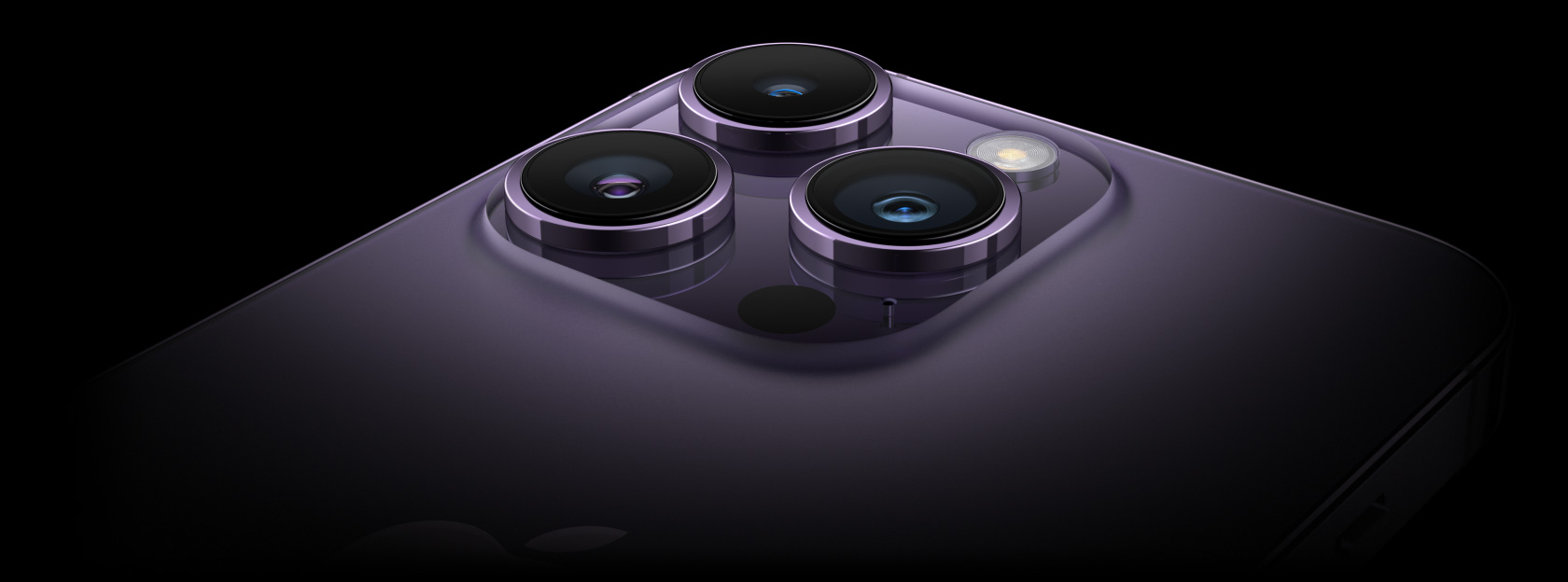
Modern smartphone cameras increasingly rival professional cameras in their ability to capture stunning images. Unlike traditional cameras that precisely capture light details, smartphone camera sensors operate by rapidly taking multiple exposures of a frame at varying speeds and then processing them collectively to produce a superior final image.
While megapixels are a key metric for smartphone cameras, indicating higher resolution and potentially a better imaging experience, it’s important to remember that mobile photography heavily relies on software processing. A powerful processor can significantly enhance picture quality, even on cameras with fewer megapixels. For instance, the Google Pixel 6a’s 12 MP camera often outperforms the Apple iPhone 14 Pro Max’s 48 MP camera in certain scenarios due to superior software optimization. Camera technology encompasses numerous intricate details; those seeking a deeper technical understanding can explore more here.
For photography enthusiasts and content creators, we’ve compiled a list of the best camera smartphones available. Interestingly, even Apple’s flagship iPhone 14 Pro Max didn’t secure a spot in the top three of our rankings.
Explore Related Content
Understanding Smartphone Storage Needs
Modern smartphones rarely present storage concerns, as manufacturers now offer generous capacities, with many entry-level phones starting at 128GB even below ₹16,000. It’s important to note that a significant portion of internal storage is pre-allocated for the operating system and pre-installed applications. For example, the Google Pixel 6a reserves approximately 30GB for its software, while the Samsung Galaxy S22 Ultra utilizes nearly 70GB for its system files.
While your ideal storage capacity ultimately depends on your personal usage, here are recommended minimum storage options across various budget ranges to ensure ample space:
- Under ₹15,000: 64GB (minimum recommended)
- Between ₹15,000 and ₹20,000: 64GB or 128GB (128GB is preferable)
- Between ₹20,000 and ₹30,000: 128GB or 256GB (both are excellent choices)
- Over ₹30,000: 256GB and above
The presence of a MicroSD card slot offers a cost-effective way to expand your smartphone’s storage capacity. However, it’s important to note that Apple iPhones do not feature MicroSD card slots; this expansion option is exclusively available on Android devices.
Optimizing Smartphone Battery Life and Performance
Most leading smartphone brands utilize Lithium-ion batteries, with their capacity measured in ‘mAh’ (milliampere-hour) ratings. Generally, a higher mAh rating indicates better battery performance. However, a smartphone’s actual battery life is also significantly influenced by the power consumption of its processor and display, as different models consume power distinctly. For instance, while the Snapdragon 750G and Snapdragon 695 offer comparable CPU performance, the 695 is more power-efficient than the 750G. Display technology also plays a crucial role in overall power consumption.
For optimal battery performance, a smartphone with at least 4000 mAh capacity is recommended, while 5000 mAh or more is considered excellent. Here’s a general guide on how battery capacity correlates with approximate battery life:
| Capacity | Battery Life |
| 1500 – 2000 mAh | Approximately 0.5 day |
| 2000 – 3500 mAh | Up to 1 day |
| 3500 – 4000 mAh | Up to 1.5 days |
| 4000 – 6000 mAh | Up to 2 days |
Making Your Informed Smartphone Choice
We trust this comprehensive guide has provided valuable insights and practical considerations for selecting the best smartphone that perfectly aligns with your personal needs and preferences.
We welcome your comments, suggestions, and feedback if you found this guide helpful.
Should you also be looking for audio accessories, feel free to consult our earphone buying guide.
Join our community by subscribing to our Weekly Newsletter to stay updated on the latest AI updates and technologies, including the tips and how-to guides. You can also follow us on Instagram (@inner_detail) for more updates directly in your feed.
For more such interesting informational, technology, and innovation insights, continue reading The Inner Detail.