
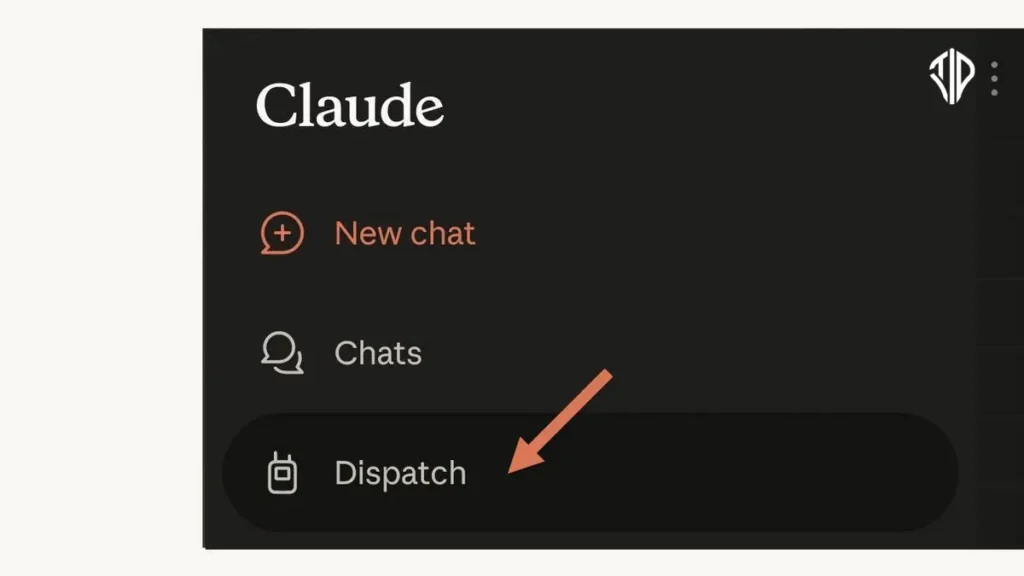
Claude Dispatch represents a pivotal shift in how we interact with artificial intelligence by bridging the gap between mobile convenience and desktop power. This research preview allows users to remotely trigger and monitor complex workflows on their computers using a smartphone, transforming the mobile device into a sophisticated control center for professional tasks.
Think about the times you have stepped away from your desk for a coffee or a meeting, only to realize you forgot to start a data-heavy report or organize a cluttered project folder. Traditionally, that task sits idle until you physically return to your keyboard, creating a small but persistent friction in your daily productivity.
Claude Dispatch addresses this exact scenario by turning your phone into a remote operator for your workstation. Instead of the phone performing the heavy lifting, it simply tells your powerful desktop what to do, ensuring that your work continues even when you are on the move.
Key Takeaways
- Remote Control Utility: Transform your smartphone into a command center to trigger and monitor complex desktop workflows from anywhere.
- Local-First Security: Processing occurs on your local machine, ensuring sensitive files and data remain anchored to your workstation rather than external servers.
- Seamless Integration: Persistent threads allow for a unified experience across devices, so tasks initiated on mobile can be managed or reviewed on desktop without loss of context.
- Agentic Evolution: The tool marks Claude’s transition from a standard chatbot to a functional operating layer capable of file manipulation and tool usage.
The Shift from Chatbot to Operating Layer
At its core, Claude Dispatch is an extension of the Claude Cowork feature set. While most AI interactions are confined to a single window where you ask a question and receive an answer, Anthropic is pushing Claude to become an operating layer for your daily work.
By using a persistent thread that syncs across desktop and mobile, the tool allows you to initiate a task on your computer from your phone, watch it progress, and pick up the results whenever you return.
The work itself still runs on your desktop computer, meaning your local files and sensitive data stay exactly where they are. The phone acts as a lightweight command surface rather than the primary engine. This distinction is vital for professionals who need the mobility of a smartphone but the processing power and file access of a traditional workstation.
Local Power via Remote Control
One of the most significant architectural choices in this release is the focus on local execution. Many current AI agents—autonomous systems designed to complete tasks—rely heavily on cloud environments. Anthropic is betting that a local-first setup will appeal to users who are hesitant to send sensitive documents to external servers. Because the work remains anchored to the machine where the files reside, the risk profile is narrowed significantly.
This hybrid model allows you to assign tasks like summarizing recent work, comparing materials across various local folders, or producing a report while you are away from your desk. The phone becomes the place where work is assigned and checked, while the computer handles the actual execution and file manipulation.
5 Essential Insights into Claude Dispatch
To understand how this tool changes the productivity landscape, we must look at the specific mechanics of its functionality and requirements:
- Access Tiers: The feature is currently a research preview rolling out to Max subscribers first, with Pro users receiving access shortly after.
- Persistent Threads: The context of your conversation remains identical across devices, meaning you never have to start a task over when switching from your monitor to your phone.
- Operational Requirements: For Dispatch to function, your desktop computer must remain awake and the Claude Desktop app must be open and active.
- Action Capabilities: From your mobile app, you can prompt Claude to read, move, or delete files and interact with browser tools that Claude Cowork already has permission to use.
- Security Perspective: Because the tool can manipulate files and authenticated systems remotely, Anthropic has been transparent that this increased utility comes with a broader responsibility for users to manage their security settings.
The Phone as a Dispatch Console
The broader AI market is currently moving toward messenger-first interactions, where users expect to text an AI as if it were a capable human operator. While Claude Dispatch is not a direct messaging competitor, it acknowledges this shift by making the phone the primary interface for delegating work. It removes the gap between the moment you realize a task needs to be done and the moment you are actually sitting at your machine.
By chipping away at these small bits of drag that accumulate throughout the workday, Anthropic is evolving Claude from a text generator into a functional agent. It makes the phone less of a standalone productivity tool and more of a remote console for the existing tools and files on your main computer.
Balancing Utility and Risk
As AI transitions from a chatbot to an agent capable of manipulating a user’s environment, the stakes of that access naturally increase. A model that can draft an email is helpful, but a model that can move files and use authenticated tools while you are away from your desk is a much more powerful—and consequential—utility.
While Claude Dispatch is still in the research preview phase, it signals a future where professional workflows are no longer tethered to a physical location. For companies dealing with regulated data or proprietary research, the local-first execution model offers a compelling way to embrace AI automation without compromising the security of their internal networks.
Join our community by subscribing to our Weekly Newsletter to stay updated on the latest AI updates and technologies, including the tips and how-to guides. (Also, follow us on Instagram (@inner_detail) for more updates in your feed).
(For more such interesting informational, technology and innovation stuffs, keep reading The Inner Detail).
