

The September 2026 Apple Event marked a pivotal transition for the company, introducing its first-ever foldable smartphone alongside a new generation of high-performance hardware. This article breaks down the major announcements from the keynote, including the debut of the iPhone Duo, updates to the Pro lineup, and significant shifts in the device ecosystem.
Much like the automotive industry’s shift toward electric vehicles, the tech sector is currently in the middle of a form-factor revolution. For years, the smartphone has remained a static slab of glass and metal, but as users demand more productivity from their mobile devices, the physical architecture of the phone itself must evolve.
This shift mirrors the transition from traditional desktops to thin-and-light laptops. As processors become more efficient and AI integration becomes deeper, the hardware is finally catching up to the vision of a device that can transform from a standard handheld into a portable workstation. The 2026 Apple Event served as the company’s definitive answer to this demand for flexibility and power.
Key Takeaways
- Apple launched its first foldable device, the iPhone Duo, featuring a 7.6-inch inner display and a thin, portable profile.
- The new iPhone 18 Pro series introduces a 48-megapixel Fusion Main camera with variable aperture and the 2-nanometer A20 Pro chip.
- Pricing has been adjusted across the ecosystem, including a price increase for the Pro lineup and the discontinuation of the iPhone 17 Pro.
- iOS 27 brings enhanced productivity features, including on-device AI handoff and expanded Siri onscreen awareness.
- The Apple Watch Series 12 and Ultra 4 debut a centralized Health Sensing System focused on advanced heart rate and longevity metrics.
The Arrival of the iPhone Duo
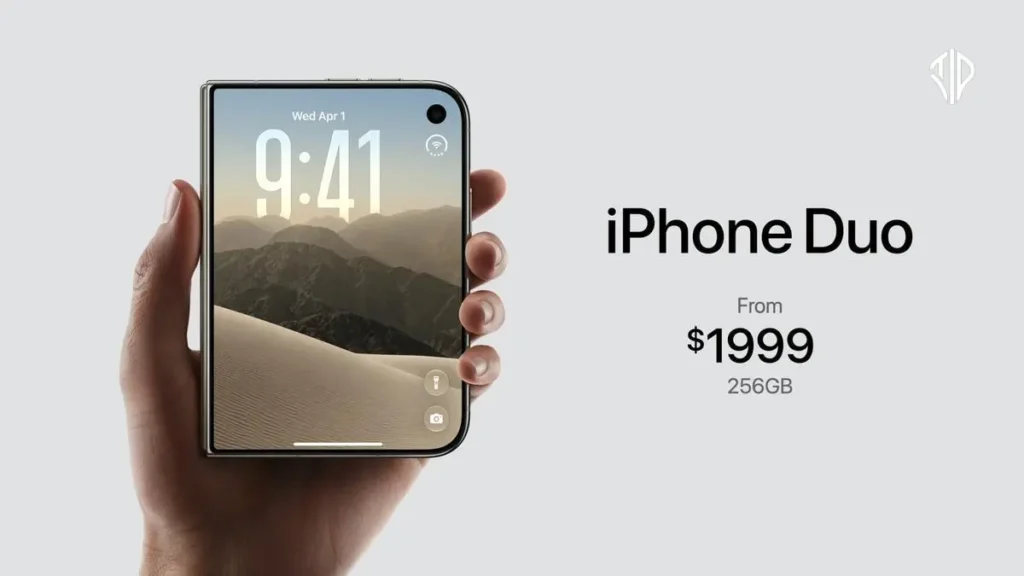
The crown jewel of the September 2026 Apple event was undoubtedly the iPhone Duo, marking Apple’s long-awaited entry into the foldable smartphone market. After years of watching Samsung and other manufacturers experiment with foldable devices, Apple has finally introduced a device that transforms from a conventional smartphone into a much larger screen for productivity and entertainment.
The iPhone Duo features a 5.4-inch outer display and a 7.6-inch inner display when unfolded. This allows users to interact with it like a regular phone when closed, while opening it provides a much larger canvas for multitasking, watching videos, browsing the web and working with multiple applications. Apple has also optimized iOS 27 for the larger screen, including split-screen functionality.
The device is powered by Apple’s A20 Pro chip and supports Apple Pencil input, giving the foldable a stronger productivity focus than simply being a larger-screen smartphone.
The company has also emphasized the device’s thin design and premium construction, attempting to make the transition between phone and tablet-like experiences feel as seamless as possible.
At $1,999 in the US, however, the iPhone Duo is firmly positioned as a premium device. Apple is effectively asking customers to pay a significant premium for the convenience of carrying a phone that can transform into a larger workspace.
The iPhone 18 Pro Series: Power and Control
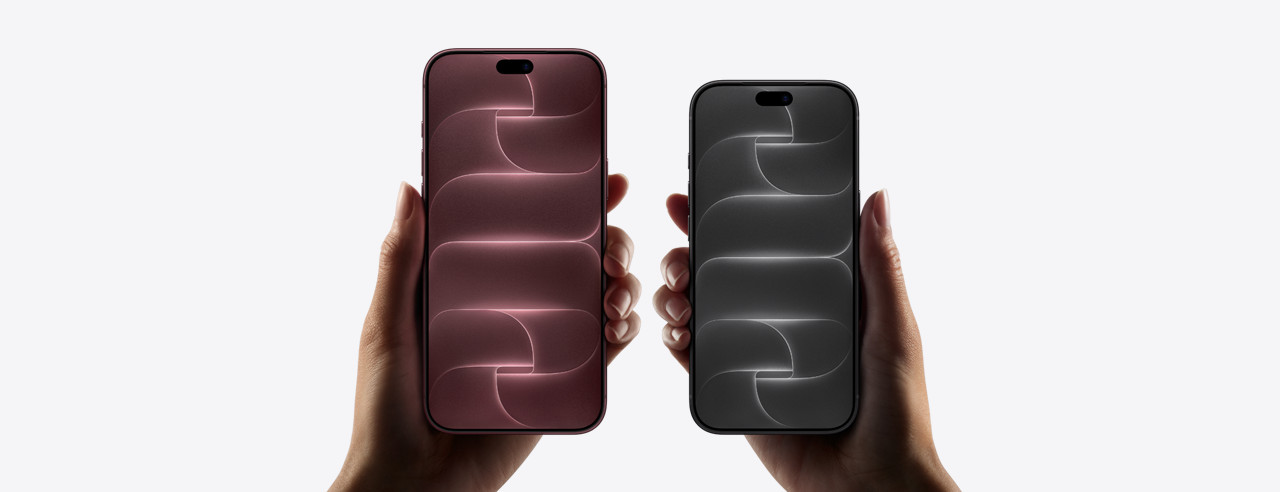
For photographers, creators and power users, the iPhone 18 Pro and iPhone 18 Pro Max represent one of the biggest upgrades in Apple’s conventional iPhone lineup this year. Both models are powered by the new A20 Pro chip, which is paired with an upgraded thermal system designed to maintain high performance for longer periods.
One of the biggest changes comes to the camera system. The iPhone 18 Pro models feature a 48-megapixel Fusion Main camera with variable aperture, giving users greater control over how much light enters the lens. Unlike previous iPhones that relied heavily on computational photography to determine the final image, the variable-aperture system provides a more traditional camera-like control over exposure and depth of field.
Apple has also introduced new Pro Controls inside the Camera app. These controls give photographers more direct control over the camera experience, making the iPhone more appealing to people who want to move beyond automatic photography.
Performance is another major focus. The A20 Pro chip and new-generation vapor chamber are designed to deliver Apple’s highest sustained performance in an iPhone. The Pro Max also gets a particularly significant battery improvement, with Apple describing it as the largest increase in battery life ever offered on an iPhone.
The iPhone 18 Pro starts at $1,199, while the iPhone 18 Pro Max starts at $1,299 in the US. This higher starting price reflects Apple’s increasingly premium positioning of the Pro models, particularly as the company reshapes the rest of its iPhone lineup around the standard models, iPhone Air, Pro models and the new foldable Duo.
Wearables: Apple Watch Series 12, Ultra 4 and AirPods 5
)
Apple’s September event was not just about iPhones. The company also introduced a new generation of wearables, including the Apple Watch Series 12, Apple Watch Ultra 4 and AirPods 5, with health monitoring and AI playing a much bigger role across the ecosystem.
The Apple Watch Series 12 introduces an all-new Health Sensing System powered by the S11 chip. Apple says the system enables more frequent heart-rate and heart-rate variability measurements, which are then used to provide features such as a new Readiness Score. The idea is to give users a better understanding of how prepared their body is for the day rather than simply showing individual health measurements.
Apple is also expanding the Health app with a new Health Age feature and a redesigned interface focused on longer-term health and fitness trends. Apple Intelligence is being used to turn complex health information into easier-to-understand insights, while the company continues to emphasize privacy around personal health data.
For outdoor users and athletes, the Apple Watch Ultra 4 continues Apple’s rugged smartwatch strategy. It combines the new health-sensing capabilities with a larger, more durable design aimed at people who spend more time outdoors or require longer battery life and advanced fitness tracking.
The AirPods 5 also received a surprisingly significant upgrade. Apple has brought Active Noise Cancellation to its open-ear design, claiming up to 50 percent more external noise reduction compared with AirPods 4 with ANC. The new model also features improved Adaptive EQ, hands-free Siri AI and Live Translation, making the earbuds more closely integrated with Apple’s growing AI ecosystem.
For users who choose the AirPods 5 with the Wireless Charging Case, Apple has also added volume control directly on the stem through a swipe gesture. Battery life has improved as well, with up to five hours of playback with ANC enabled and up to 22 hours with the charging case.
Taken together, the new wearables show that Apple’s strategy is moving beyond simply adding new sensors or improving battery life. The company is increasingly using Apple Intelligence to interpret information collected by its devices and turn it into useful, everyday insights. This makes the Apple Watch and AirPods an increasingly important part of Apple’s broader AI and health ecosystem.
iOS 27 Introduces iPhone Handoff

One of the more practical additions in iOS 27 is a new feature called iPhone Handoff, which allows users to use the same phone number across two iPhones. Instead of transferring a SIM or completely setting up a second phone, users can designate one iPhone as their primary device and another as a companion, then switch between the two when needed.
The feature is designed for people who regularly use two iPhones for different situations. For example, a user could keep a larger or more powerful iPhone for work and use a second device for travel, outdoor activities or weekends. Calls, voicemail, messages and the user’s Find My location can move to whichever iPhone is currently being used, while other information continues to sync through iCloud.
There are some important requirements, however. Both iPhones need to be running iOS 27 or later, and the feature depends on carrier support. Apple also notes that carrier fees may apply. At launch, iPhone Handoff is initially limited to supported carriers, making it a promising feature that could become considerably more useful as network compatibility expands.
A New Way to Prove a Photo Was Actually Taken on an iPhone
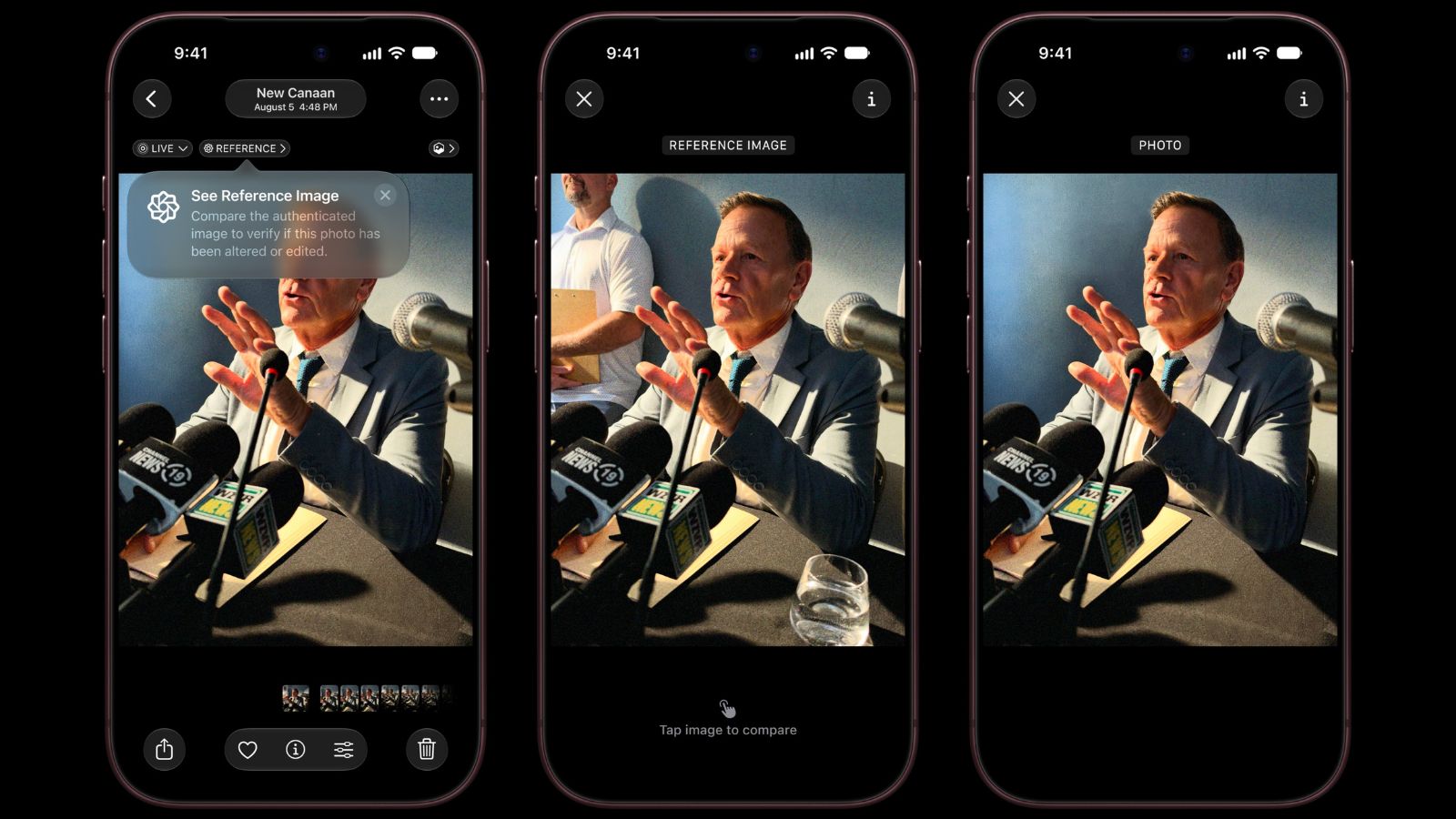
As AI-generated images become increasingly difficult to distinguish from real photographs, Apple is introducing a new technology aimed at answering a simple but important question: Did this image actually come from a camera?
With the iPhone 18 Pro and iPhone 18 Pro Max, Apple has introduced Apple Reference Image, a system designed to provide an authentic reference for photographs captured by the iPhone.
When a photo is captured in the new Reference mode, the iPhone securely signs sensor data at the time of capture. That information is then used to create an unalterable reference image. Users can view this reference alongside the normal photograph in the Photos app, allowing them to compare what the camera sensor originally captured with an image that may have been edited later.
Apple Raises Prices of Existing iPhones
The September 2026 announcements also brought an unusual change to Apple’s existing iPhone lineup. Rather than simply reducing the prices of older models after launching new ones, Apple has increased the prices of several existing iPhones.
In the US, the starting price of the iPhone 16, iPhone 17e, iPhone 17 and iPhone Air has increased by $100 each. The iPhone 16 now starts at $799, the iPhone 17e at $699, the iPhone 17 at $899 and the iPhone Air at $1,099.
This means customers looking for value from an older iPhone will not necessarily get the traditional post-launch discount this year. Instead, Apple is maintaining a higher price floor across several models even as newer devices enter the market.
The price changes are also visible in India, although the increase differs from model to model because of regional pricing. Apple’s current Indian prices list the iPhone 16 from ₹89,900, the iPhone 17e from ₹79,900, the iPhone 17 from ₹99,900 and the iPhone Air from ₹1,49,900.

The move makes Apple’s new iPhone lineup particularly interesting from a pricing perspective. Instead of creating a simple ladder where older iPhones become cheaper every year, Apple is increasingly positioning different models at distinct price points while making room for newer premium devices and its first foldable iPhone.
Apple Discontinues the iPhone 17 Pro, 17 Pro Max and iPhone 16 Plus
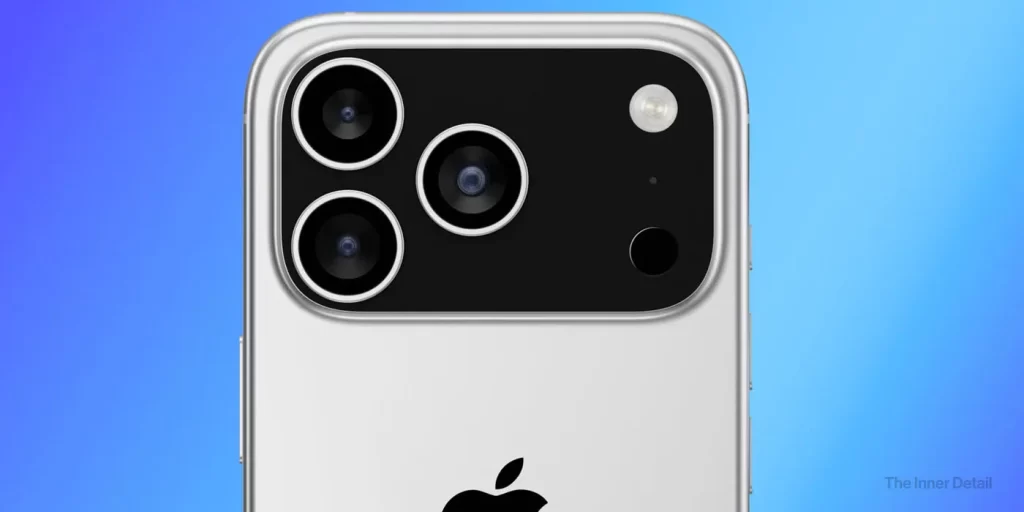
Apple has also streamlined its lineup following the September event. The company has discontinued the iPhone 17 Pro and iPhone 17 Pro Max, replacing them at the top end of the conventional iPhone lineup with the new iPhone 18 Pro and iPhone 18 Pro Max.
The iPhone 16 Plus has also been removed from Apple’s official lineup. Its disappearance is notable because the Plus model offered customers a large-screen iPhone without the premium price of a Pro Max device.
Apple’s current strategy instead places the thin iPhone Air between the standard iPhone models and the high-end Pro range, effectively changing the role that the Plus models once played.
However, discontinuation does not mean these devices immediately become obsolete. Existing owners can continue using their iPhone 17 Pro, iPhone 17 Pro Max or iPhone 16 Plus, and the devices remain eligible for software updates. They may also continue to be available through authorised retailers while existing stock lasts.
The decision reflects Apple’s broader effort to simplify its product portfolio while making room for the iPhone Air, iPhone 18 Pro series and the new iPhone Duo. For consumers, however, it also means that buying an older Pro model directly from Apple is no longer an option once the remaining retail inventory is exhausted.
Join our community by subscribing to our Weekly Newsletter to stay updated on the latest AI updates and technologies, including the tips and how-to guides. (Also, follow us on Instagram (@inner_detail) for more updates in your feed). For more such interesting informational, technology and innovation stuffs, keep reading The Inner Detail.
