
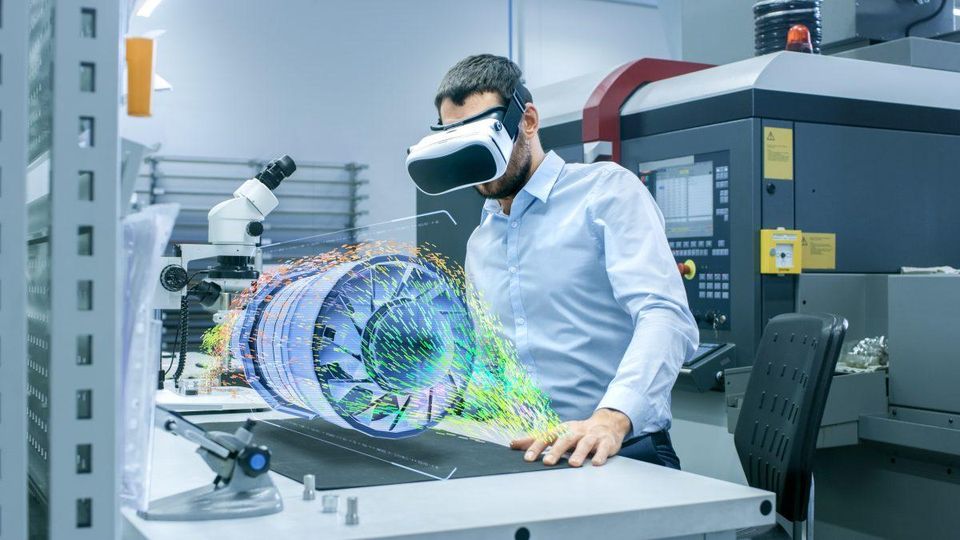
Technology continues to expand its influence rapidly across all sectors, and education is no exception. This era witnesses a profound technological impact, creating pathways for students to develop intellectual competence. The prevailing philosophy highlights that continuous learning is essential for navigating today’s complex world, fostering a mindset where acquiring knowledge is key to thriving.
E-learning emerged as a pivotal force in reshaping educational trends, demonstrating its immense impact, particularly during the COVID-19 pandemic. While the pandemic presented significant challenges for institutions, educators, students, and parents, it firmly established personalized learning as a preferred method, especially among college students. The surge in enrollments on online learning platforms like upGrad, Udemy, and Unacademy underscores this shift, with upGrad alone reporting a remarkable 50% increase in MBA course admissions.
Projections indicate that global education and training expenditures could reach $10 trillion by 2030. Furthermore, a significant 75% of educators anticipate that digital learning methods will surpass traditional textbook instruction by 2026, signaling a clear shift towards more technologically integrated educational models.
Key Trends Shaping the Future of Student Education and Career Paths
1. Artificial Intelligence (AI) in Education
Artificial Intelligence (AI) is revolutionizing the educational landscape, particularly through automated tutoring systems and sophisticated assessment tools for students.
AI-powered educational platforms empower teachers to efficiently test and monitor student progress, establishing themselves as indispensable teaching aids. For instance, AI assists tutors by automating tasks such as grading papers, conducting exam assessments, and making data-driven decisions tailored to individual student performance levels.
This automation significantly reduces the time teachers spend on administrative duties, allowing them to allocate more engaging and personalized interaction time with their students.
2. Personalized Learning Experiences
Personalized learning is fundamental to fostering a deeper comprehension of subject matter. It significantly enhances students’ learning capabilities and skills by promoting self-motivation and aligning education with future career prospects.
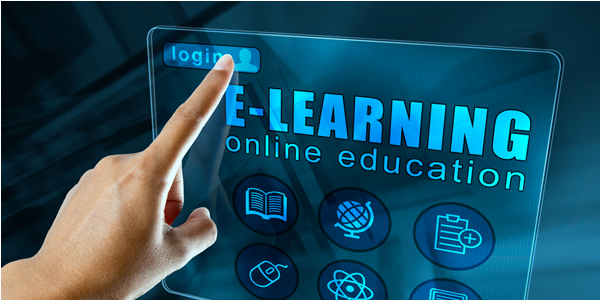
E-learning, leveraging online platforms and diverse technological devices, has become a central hub for personalized education. It offers students the flexibility to learn at their preferred time and location, enabling them to pursue domains that genuinely interest them. Personalized learning proves more effective due to its student-centric nature, empowering students to select topics, unlike traditional methods that often impose a rigid curriculum.
3. Augmented Reality (AR) & Virtual Reality (VR) in Learning
Augmented Reality (AR) and Virtual Reality (VR) are poised to become transformative tools in education, making complex concepts more accessible and understandable for students.
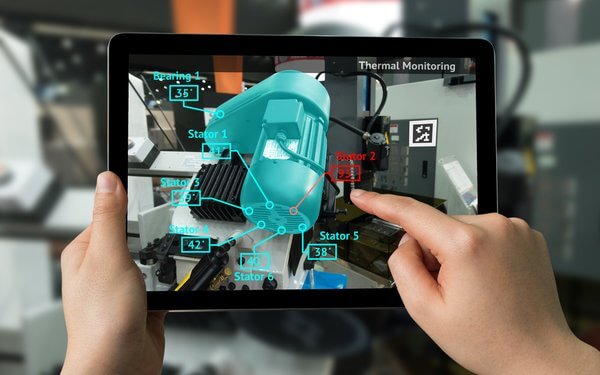
AR and VR technologies offer an immersive, visual understanding of theoretical knowledge within the educational setting. Through their integration, learning can become significantly simpler, more engaging, and profoundly inspiring. For instance, explaining the intricate workings of a bike engine becomes far more impactful when demonstrated visually with a detailed 3D anatomy, sparking greater enthusiasm and curiosity among students.
Further Reading: Augmented Reality & Virtual Reality
4. Skill-Based Learning Approaches
Skill-based education emphasizes an in-depth understanding of specific areas, closely aligning with personalized and student-centric learning methodologies. This educational approach is highly sought after because conventional learning often falls short in teaching students how to apply theoretical knowledge to real-world scenarios.
Leading global companies increasingly prioritize practical skills over traditional college degrees or certifications when hiring. As the primary goal of education is to prepare students for successful employment, exploring and mastering skills that align with personal interests and global demands can significantly enhance a student’s future prospects.
Explore More: Future Demands of Education and on Students
5. Edutainment: Learning Through Play
‘Edutainment,’ a portmanteau of ‘Education’ and ‘Entertainment,’ aptly describes its core concept: learning through enjoyable and engaging experiences. One of the most effective ways to captivate students’ attention is through gamification.
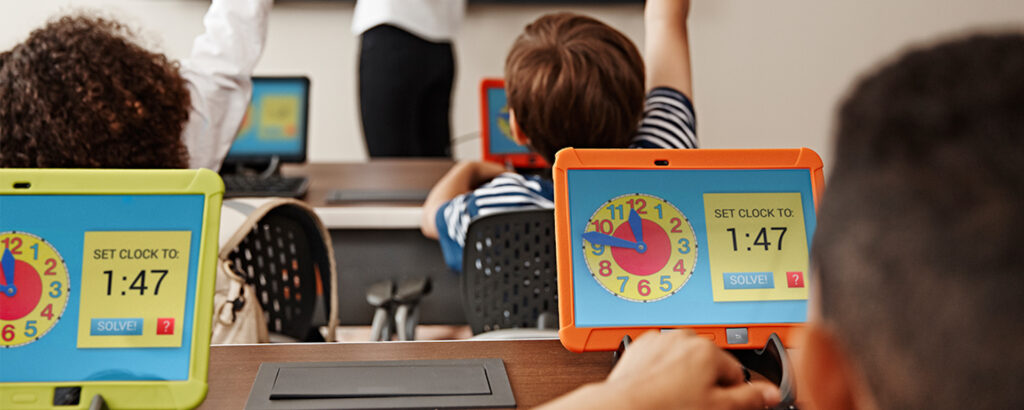
Gamification integrates games or competitive elements into learning, assessing students’ knowledge and motivating them with scores and rewards. This approach significantly enhances problem-solving abilities, keeps learners updated, and ignites a strong desire for continuous learning. The pervasive presence of smartphones and various gadgets in today’s world further facilitates easy access to such engaging and educational content.
6. Collaborative Learning Enhanced by Technology
Collaborative or group learning with like-minded peers fosters a broader and more comprehensive acquisition of knowledge. The evolution of collaborative learning extends to the development of learning systems, enabling creators to work as a connected network. This is especially relevant in e-learning environments, where developers can collaboratively share and integrate knowledge into courses.
With modern software systems and technology, expertise on a single subject can be gathered from diverse remote locations. Within a classroom setting, particularly for open-ended assignments, collaborative learning can unite students, encouraging socialization and cooperation—skills that are invaluable for future work within companies and organizations.
7. Internships and Educational Tours for Real-World Experience
Students are better equipped to identify and secure job opportunities when they gain exposure to real-world professional experiences. As the fundamental aim of education is to prepare individuals for success in their chosen careers, internships provide an invaluable glimpse into the corporate environment and professional culture.
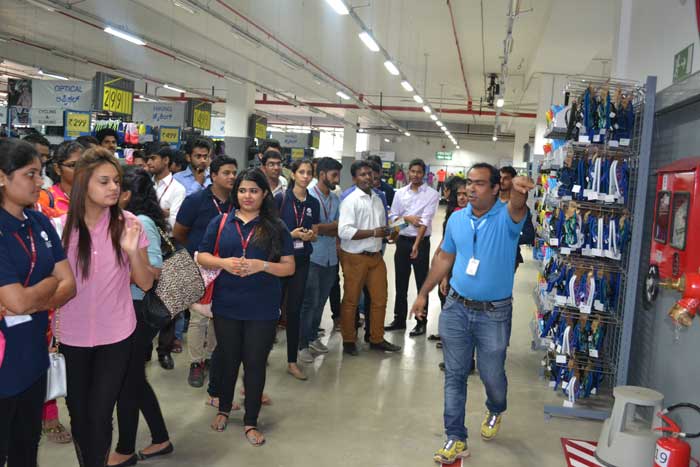
Internships are highly beneficial as they allow students to apply classroom knowledge in a practical workplace setting. These experiences, along with educational tours and in-plant training, effectively bridge the crucial gap between academic learning and the practical application of skills demanded by various industries and companies.
Conclusion: Aligning Education with Future Demands
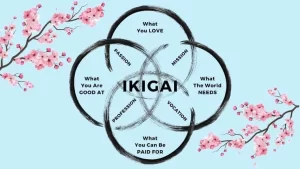
Education serves as a powerful instrument to enrich one’s lifestyle and establish a stable livelihood. However, contemporary reality often reveals a significant disconnect between academic learning and the demands of the industrial world, leading many to struggle with effectively utilizing their acquired knowledge or feeling unfulfilled in their work. The Japanese concept of ‘ikigai’ suggests that aligning one’s passionate pursuits with the needs of the world can lead to a more gratifying life.
In essence, preparing oneself for the evolving needs and demands of the global landscape while simultaneously nurturing personal passions can profoundly enhance one’s life journey.
References:
- https://www.edsys.in/trends-defining-future-education/
- https://yourstory.com/mystory/upcoming-educational-trends-that-will-change-the-f
- https://en.wikipedia.org/wiki/Collaborative_learning
- https://www.myschoolr.com/blog/top-6-trends-that-will-shape-future-education-in-2020.html
Join our community by subscribing to our Weekly Newsletter to stay updated on the latest AI updates and technologies, including the tips and how-to guides. (Also, follow us on Instagram (@inner_detail) for more updates in your feed).
(For more such interesting informational, technology and innovation stuffs, keep reading The Inner Detail).




Pingback: Should You really need a Master degree? When, Why, What? – The Inner Detail