
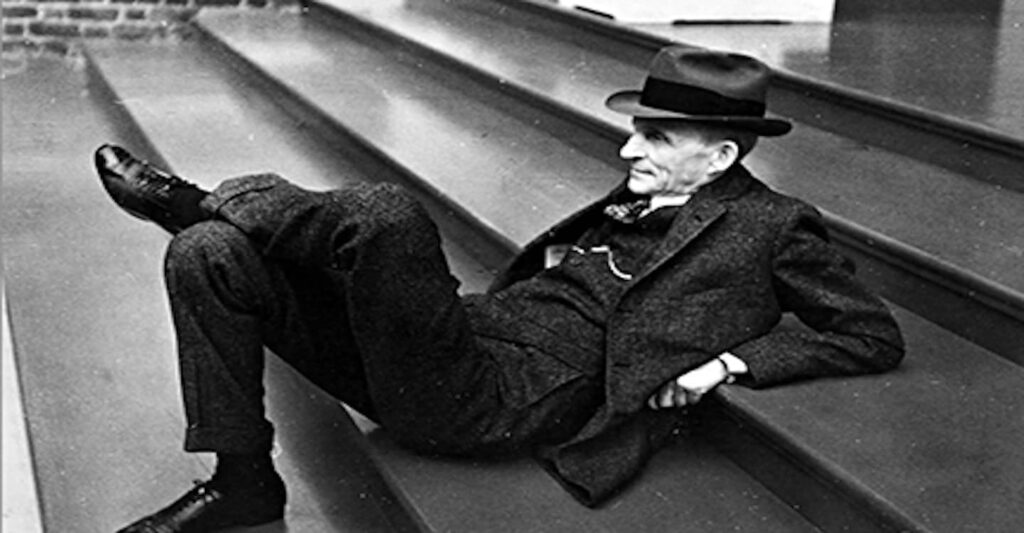
The early 20th century witnessed a groundbreaking shift in the automobile industry, driven by an American industrialist and business magnate whose pioneering vision made four-wheelers accessible to a broader population, including the middle class. This revolutionary figure was instrumental in reducing car prices, transforming an era where only the wealthy could afford automobiles. His profound influence reshaped global industrialization, earning him the title of “A Pioneer Industrialist” – none other than HENRY FORD, the esteemed founder of Ford Company.
This blog delves into the remarkable life and enduring legacy of Henry Ford!
Henry Ford: A Transformative Industrialist
Who Was Henry Ford?
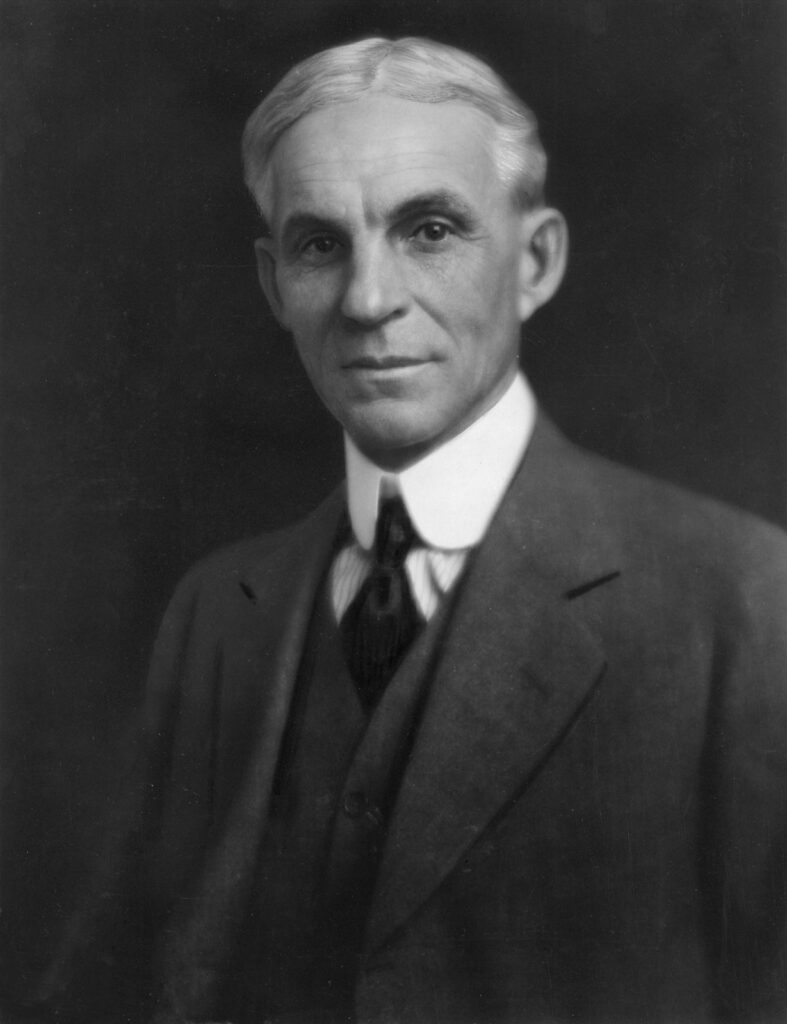
- Henry Ford, the visionary founder of Ford Company, was a prominent American industrialist and business magnate. He is widely recognized as the primary developer of the assembly line technique for mass production, which profoundly revolutionized the 20th-century automobile industry.
- Beyond his industrial achievements, Ford was also a prolific inventor, holding 161 US patents.
- As a world-renowned business leader, Henry Ford is frequently credited with significantly contributing to the rebuilding of the USA’s economy during its crucial early years.
Henry Ford’s Early Life and Mechanical Aptitude
- Born on July 30, 1863, Henry Ford grew up on his family’s farm in Greenfield Township, Michigan, to parents William and Mary Ford.
- At the age of 12, Ford encountered his first vehicle, a Nicholas and Shepard road engine, sparking his fascination with its operation.
- When he was 13, his father gifted him a watch. Ford meticulously disassembled and reassembled it, then proceeded to repair timepieces for friends and neighbors, becoming an expert watch repairman. This early experience ignited his keen interest in mechanics.
- Following his mother’s passing in 1876, at just 13 years old, Ford declined his father’s request to work on the farm. Instead, in 1879, he moved to Detroit to begin an apprenticeship as a machinist.
- By 1882, Ford secured a position servicing steam engines at Westinghouse. During this period, he also pursued a bookkeeping course at a Detroit Business College, expanding his practical skills.
Key Early Inventions and Innovations
- In 1891, Ford joined the Edison Illuminating Company as an engineer, focusing his efforts on gasoline engines. His dedication to machinery earned him a promotion to Chief Engineer within two years. By 1896, he unveiled the Ford Quadricycle, his first self-propelled vehicle. Encouraged by Thomas Edison, Ford developed his second vehicle in 1898.
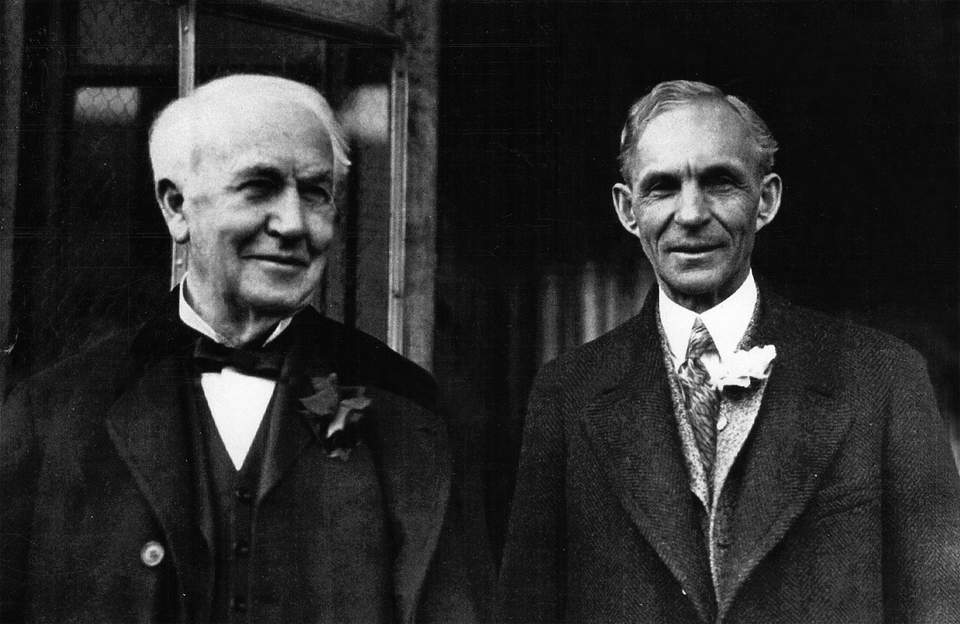
- Subsequently, Ford collaborated with William H. Murphy to build another vehicle, which initially met with failure. Undeterred, Ford later designed a successful 26 horsepower (HP) model in October 1901. This partnership, however, lasted only three years.
The Genesis of Ford Motor Company
- Henry Ford, in partnership with coal-dealer Malcomson, officially incorporated the Ford Motor Company on June 16, 1903, with an initial investment of $28,000.
- Ford engineered a new four-wheeler that achieved an astounding speed of 146.9 km/hr, completing 1.6 km in just 39.4 seconds. This impressive performance captivated car racer Barney Oldfield, who chose Ford’s “999” model, making it the fastest vehicle in history at the time.
The Revolutionary Ford Model T
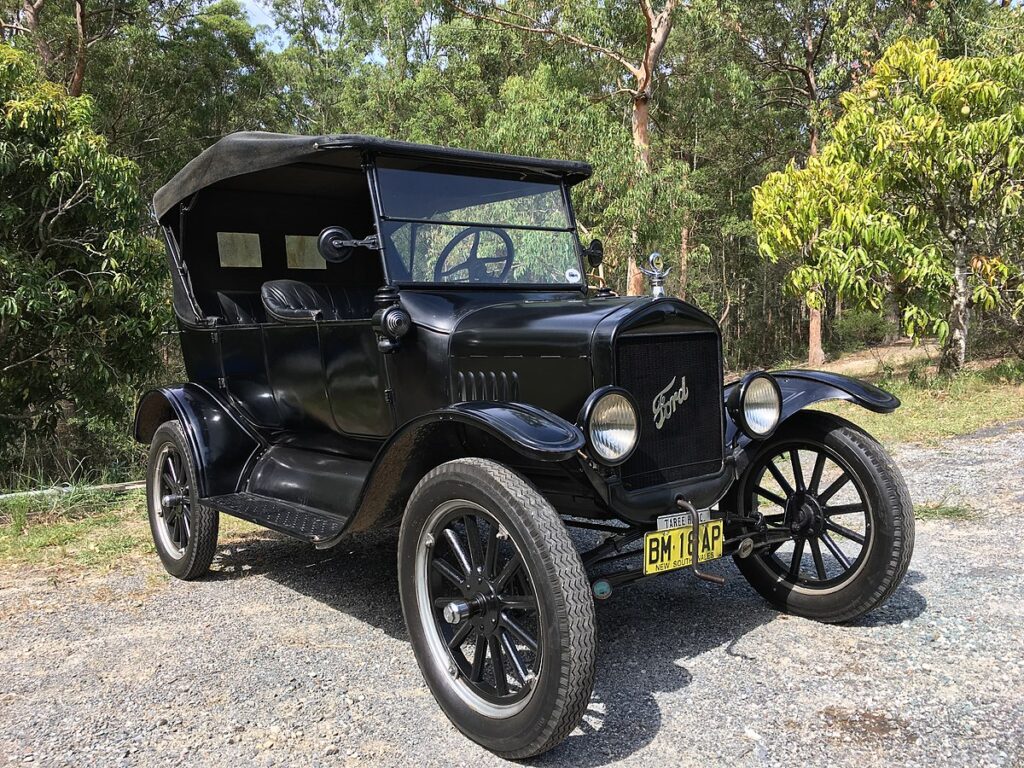
- The Model T, launched in 1908, marked Ford Motor Company’s first significant triumph. It was commercially successful due to its affordable price point, making car ownership accessible to the masses.
- The Model T’s popularity was immense; by 1918, half of all cars in the United States were Model T’s. Over its 19-year production run, global sales of the model reached an impressive 15 million units.
- In 1921, Ford acquired Lincoln Motor & Co., a company founded by Henry Leland, the same founder of Cadillac whose prior involvement influenced Ford to end his partnership with Murphy.
- As General Motors emerged as a formidable competitor, Model T sales began to decline. This prompted Ford to develop a new design, the ‘Model A’. He established a massive assembly plant in River Rouge specifically for the production of this new model.
- In 1918, Henry Ford transferred the presidency of Ford to his son, Edsel Ford. However, Henry Ford remained the ultimate decision-maker for the company until his death.
Introducing the Ford Model A
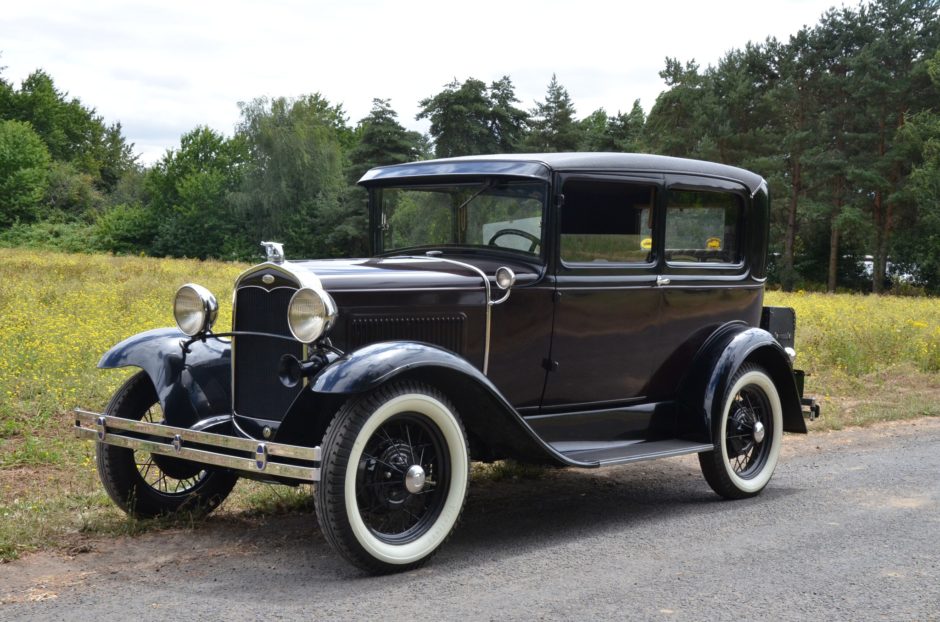
- Despite being known as a skilled machinist, Henry Ford reportedly couldn’t read a blueprint. However, his unwavering determination to achieve his goals allowed him to effectively supervise the team of engineers working on the Model A’s development.
- Each design setback didn’t deter Ford; he persevered, ultimately delivering the Model A after 18 months of intensive study and design. This success solidified Ford as a dominant force in the automobile industry.
- The Model A achieved remarkable sales, reaching 4 million units within just four years (1927 to 1931).
- Following this success, the company introduced a flathead V8 engine, the first ever affordable 8-cylinder V-Engine in history, which was integrated into the Model 18, also known as the Ford V-8.
Innovative Production and Labor Strategies
- Ford’s consumerism philosophy was clear: valuing workers was fundamental to business success.
- In 1913, Ford implemented the first moving assembly line, driven by belts, dramatically accelerating vehicle mass production. This innovation reduced production time significantly, from 12 hours per vehicle to a mere two and a half hours.
- To retain his best workers and foster loyalty, Ford announced a revolutionary $5 wage system in 1914 for an eight-hour workday, effectively doubling the wages workers previously received.
- Ford further enhanced worker conditions by implementing a five-day, eight-hour workweek (40 hours total), which immediately led to improved worker quality and increased production output.
- The company also offered profit shares to employees with six months or more of service, particularly those who maintained a respectable lifestyle. However, the Social Department’s oversight into employees’ personal lives, including issues like drinking and gambling, later drew criticism.
Ford’s Venture into Aviation: Ford Airlines
- Ford expanded into aviation, producing airplanes for the U.S. during World War I. The Ford 4AT Trimotor, famously known as the “Tin Goose,” proved highly successful in warfare. However, the airlines division ceased operations after the Great Depression.
Later Life, Global Reach, and Passing
- Henry Ford actively sought international expansion for his models, achieving fruitful partnerships with Britain, Canada, and Soviet Russia.
- Ford established a significant production plant in Italy through a collaboration with Fiat. In 1929, a $30 million partnership was forged with the Soviet Automobile Plant to enhance the country’s transportation infrastructure.
- The “Dearborn Independent,” a magazine managed by Ernest G. Liebold, a close associate of Henry Ford, was widely distributed through Ford franchises. Both Ford and Liebold were unwavering in their antisemitic views.
- Tragically, Edsel Ford succumbed to cancer in 1943. His death profoundly impacted Henry Ford, rendering him mentally inconsistent, suspicious, and ultimately unfit for the Ford presidency. He subsequently handed over the presidency to his grandson, Henry Ford II.
- Henry Ford passed away on April 7, 1947, at the age of 83, due to a cerebral hemorrhage.
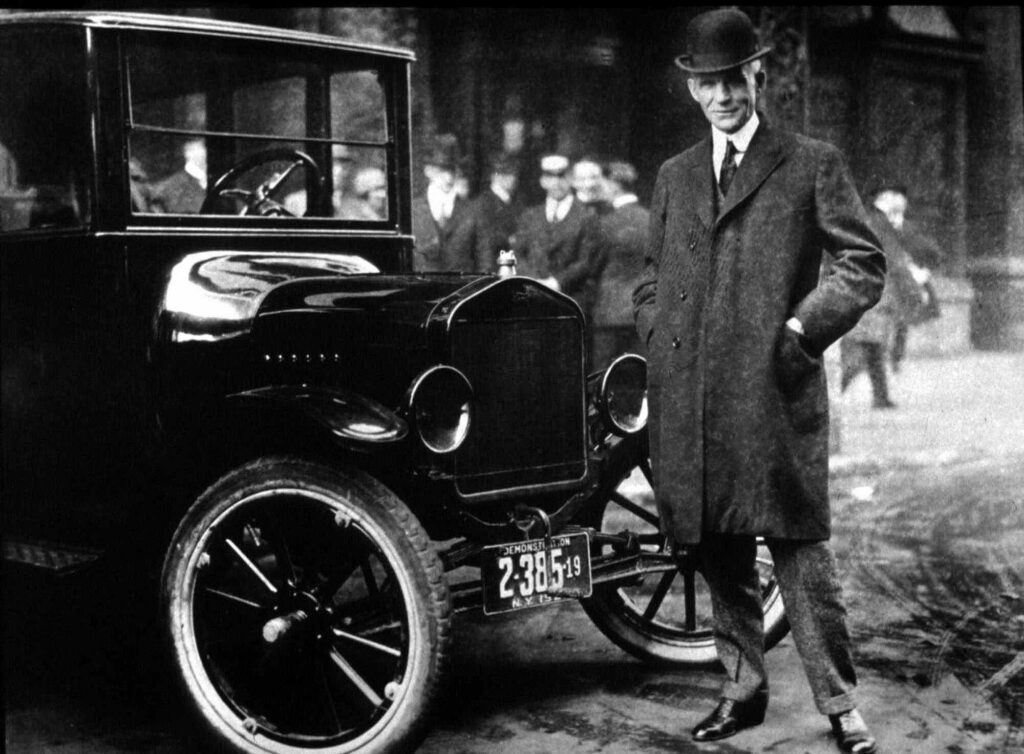
The Henry Ford Museum: Preserving Innovation and History
- Ford was an enthusiastic collector of Americana, with a particular focus on technological advancements and the everyday lives of ordinary individuals: farmers, factory workers, shopkeepers, and business people. He envisioned creating a space where their contributions and interests could be celebrated.
- Opened in 1933, the Henry Ford Museum in Dearborn, Michigan, showcases thousands of objects Ford collected, alongside many more recent additions, including clocks, watches, an Oscar Mayer Wienermobile, presidential limousines, and various other compelling exhibits.
References:
- Wikipedia.com
- Biography.com
Join our community by subscribing to our Weekly Newsletter to stay updated on the latest AI updates and technologies, including the tips and how-to guides. (Also, follow us on Instagram (@inner_detail) for more updates in your feed).
(For more such interesting informational, technology and innovation stuffs, keep reading The Inner Detail).
