
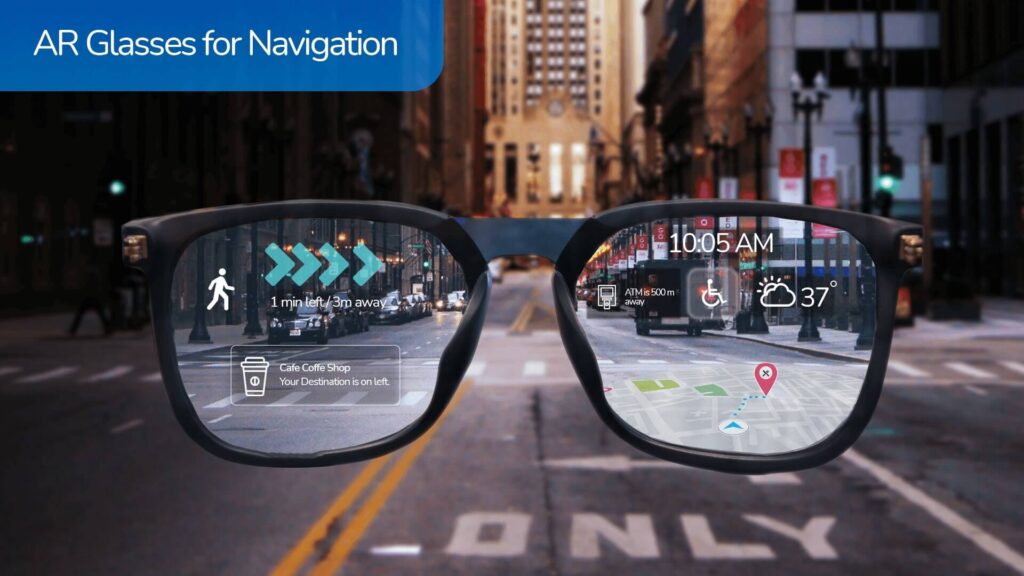
The iPhone has undeniably built immense trust and brand loyalty, commanding nearly 20% of the global smartphone market with over a billion active users. Yet, Apple CEO Tim Cook recognizes the strategic need for diversification, as the iPhone still accounts for half of the company’s substantial revenue.
According to renowned Apple analyst Ming-Chi Kuo, the iPhone’s dominance may continue for another decade. Beyond that, Apple intends to usher in a new era, potentially replacing iPhones with its proprietary augmented reality (AR) glasses, with initial plans for release as early as 2022.
Kuo firmly believes that Apple’s long-term future hinges on the successful integration of augmented reality technology and its groundbreaking Apple AR Headset.
Apple’s ambitious objective is to transition completely from iPhones to AR devices within ten years, signifying an anticipated demand for at least one billion AR headsets during this pivotal period.
Unveiling Apple’s Upcoming AR Glasses: Key Insights
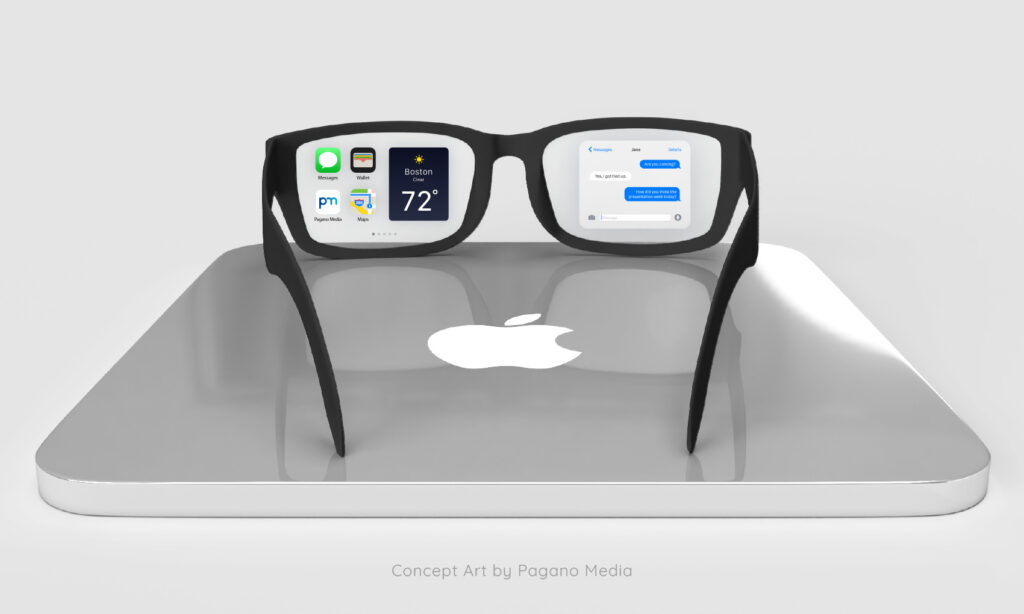
The concept of Apple’s AR Glasses is not entirely new; rumors have circulated since 2018, sparked by the discovery of an AR headset patent in February of that year. Since then, expectations for Apple’s AR Glasses have steadily grown within the tech community, with recent confirmations suggesting the AR headset could officially debut in the fourth quarter of 2022.
Kuo further reveals that the AR headset is expected to feature two powerful chipsets. One chipset is projected to offer performance comparable to the M1 chip found in 2020 MacBooks, while the second, a lower-end chip, will manage input from numerous integrated sensors. Kuo elaborates, “The AR headset will require at least 6-8 optical modules to provide continuous video see-through AR services simultaneously.”
Additionally, the AR headset may incorporate dual 4K OLED microdisplays, potentially manufactured by Sony, and could also offer virtual reality (VR) support.
Further Reading on Apple’s Augmented Reality Vision
The analyst expresses skepticism regarding the long-rumored Apple AR headset’s initial generation if it fails to operate independently of the iPhone, as this could significantly impact its market adoption. For true success, an AR headset must offer standalone functionality, possess its own robust ecosystem, and deliver a comprehensive, flexible user experience.
For Apple to successfully transition entirely from iPhones to AR headsets, these new devices must support a broad spectrum of applications, effectively mirroring the capabilities of a modern smartphone. Apple aims to deploy at least one billion AR devices over the next decade to achieve this transformative goal.
Considering there are currently over one billion active iPhone users, Apple’s objective to replace the iPhone with AR within ten years implies a target of selling at least one billion AR devices in that timeframe.
If Apple truly intends for everyone to adopt AR Glasses, would you be among the early adopters? Do you believe Apple can successfully execute this ambitious vision?
Join our community by subscribing to our Weekly Newsletter to stay updated on the latest AI updates and technologies, including the tips and how-to guides. (Also, follow us on Instagram (@inner_detail) for more updates in your feed).
(For more such interesting informational, technology and innovation stuffs, keep reading The Inner Detail).
