
While leading automotive brands like Tesla, BMW, and Audi champion electric vehicles (EVs) for their eco-friendliness, an innovative American student is pioneering a new approach: a modular, “Lego-like” electric car designed for self-assembly.
The Hoga: A Self-Assembled Electric Vehicle Concept
Developing compelling final year projects often presents a significant challenge for graduating students, but one particular design student has risen to the occasion with remarkable ingenuity.
Ryan Schlotthauer, a design student in the U.S., has unveiled “Hoga,” a visionary concept vehicle for his final semester project. This unique electric car is designed to be entirely assembled by its future drivers or owners. Schlotthauer’s concept quickly gained traction on social media, sparking discussions about a potential, albeit ambitious, collaboration between furniture giant IKEA and automotive innovator Renault. While such a partnership might seem idealistic, it certainly represents a bold, unconventional approach to vehicle design and ownership.
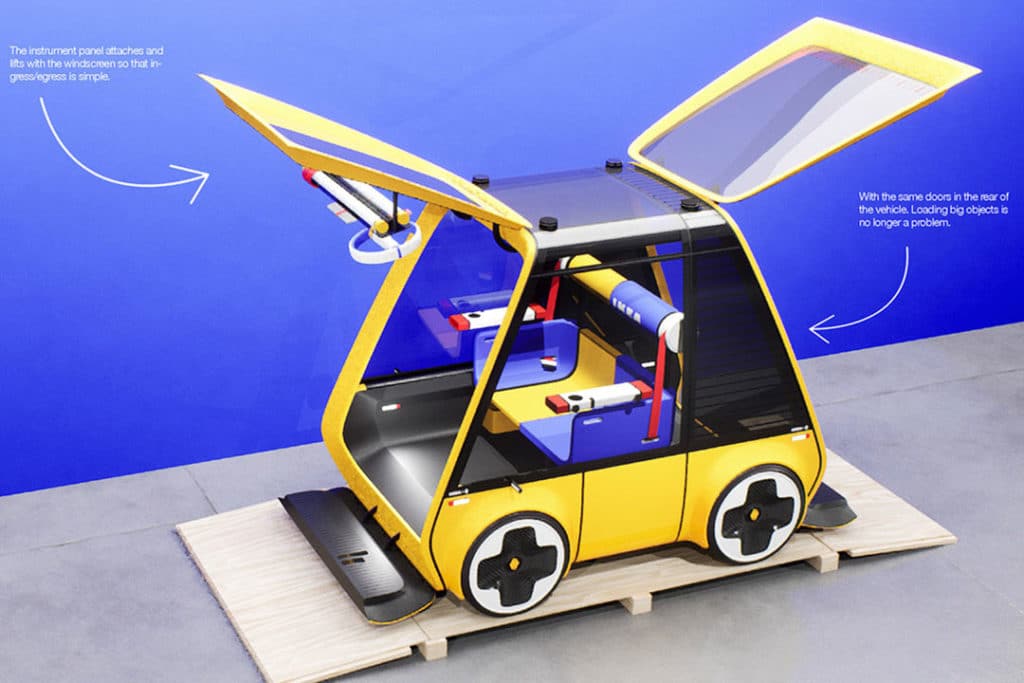
Conceived as a modern “kit car,” this compact electric vehicle ingeniously integrates IKEA’s renowned design philosophy – focusing on efficient production, practical packaging, and user-friendly assembly – to deliver a comfortable and highly functional driving experience. The core tenets of this IKEA-inspired mobility concept are “clever, low cost, and sustainable,” without compromising essential elements like safety, usable interior space, or ease of operation. By envisioning its combination with Renault’s advanced mobility platform, Hoga aims to provide a viable urban transport solution, prioritizing environmental sustainability.
Projected to cost around $6,500, Ryan Schlotthauer emphasizes the critical need for sustainable design: “As designers, we must design for a sustainable future. Traditional human-centric design approaches have often resulted in vehicles that ultimately contribute to landfill waste. It is our collective responsibility to innovate and find effective solutions.”
Hoga’s Innovative Features and Distinctive Design
The Hoga’s vibrant, eye-catching yellow exterior houses a spacious cabin designed to comfortably seat two adults. Measuring 2.3 meters in length and 1.8 meters in height, this versatile electric car also offers ample storage capacity, easily accommodating extra luggage, a bicycle, or even multiple moving boxes. Its distinctive shape draws inspiration from the classic Bauhaus principle, emphasizing clean lines and purposeful, functional design.
Despite its simple construction, the Hoga is envisioned as a highly effective urban vehicle. Its “Lego-like” attachable components allow for assembly in just a few hours, showcasing a remarkable balance of simplicity and functional symmetry.
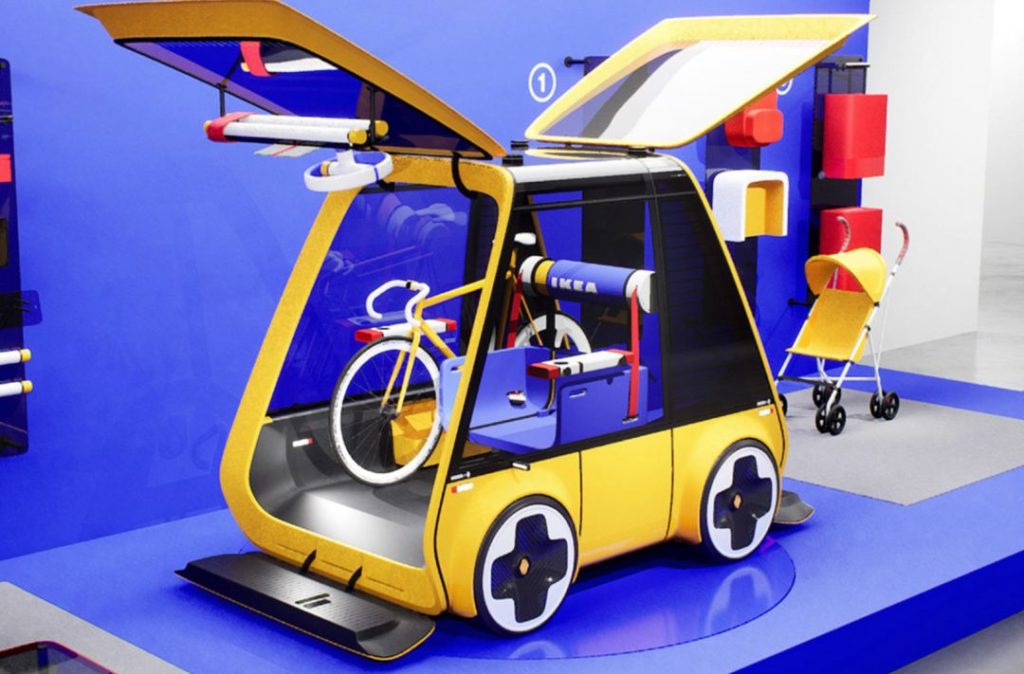
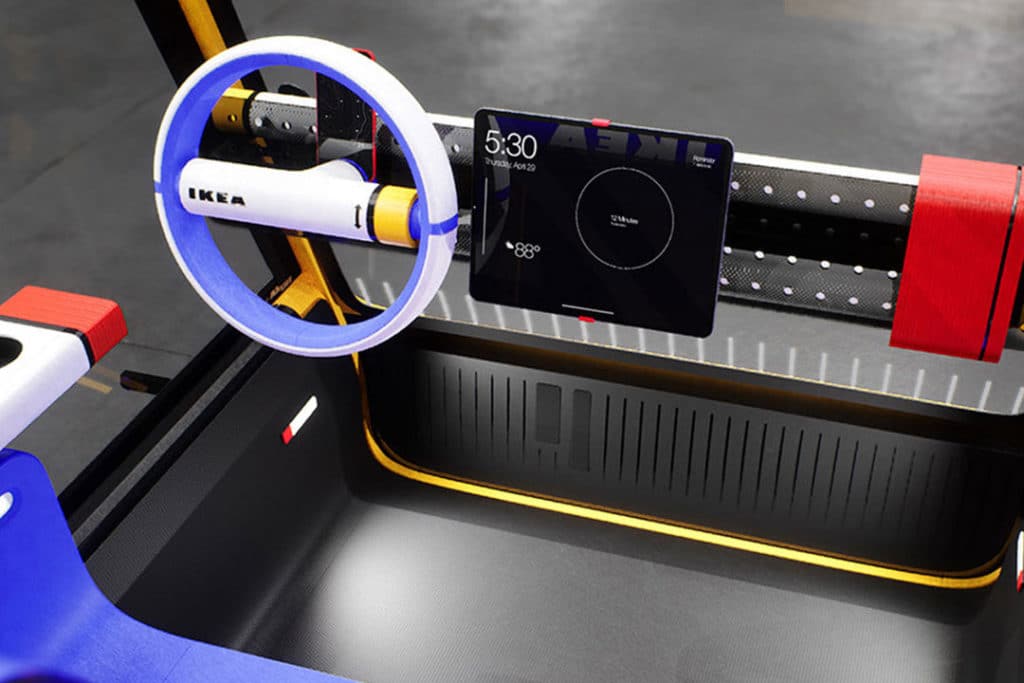
The Hoga’s cabin boasts an innovative and refreshing design. It features a steering wheel and an expansive front display windscreen, which also serves as the primary entry point for passengers when fully opened. Complementing this, the rear window can also open, facilitating easy loading of additional items.
Comprising a total of 374 parts, with 114 individual components requiring assembly before hitting the road, the Hoga prioritizes circularity. Its body is designed for recycling, while the main structural elements are intended for upcycling. This thoughtful design ensures the vehicle aligns with a vision of zero waste, preventing it from contributing to landfills.
Have you seen this? Smartphone that can be upgraded on your own!
While the concept of such a compact, self-assembled vehicle might initially seem ambitious, it remains theoretically achievable. History often shows that groundbreaking ideas, once proven on paper, often find their way into reality. Much like theoretical breakthroughs in areas such as time travel, the future may well hold the answers and the feasibility for innovative concepts like the Hoga.
The potential collaboration between IKEA and Renault, fueled by such innovative ideas, could realistically pave the way for a revolutionary, mass-market electric car in the near future.
Join our community by subscribing to our Weekly Newsletter to stay updated on the latest AI updates and technologies, including tips and how-to guides. Also, follow us on Instagram (@inner_detail) for more updates in your feed).
(For more such interesting informational, technology, and innovation content, keep reading The Inner Detail).
