As the world’s most popular search engine, handling approximately 3.8 million searches per minute, Google has been a significant force in wearable technology for over a decade. The company consistently innovates, captivating users with cutting-edge wearable devices designed to enhance daily life in unique and beneficial ways. Let’s delve into Google’s remarkable contributions to the wearable tech landscape.
Google Wear OS: Smartwatch Innovation
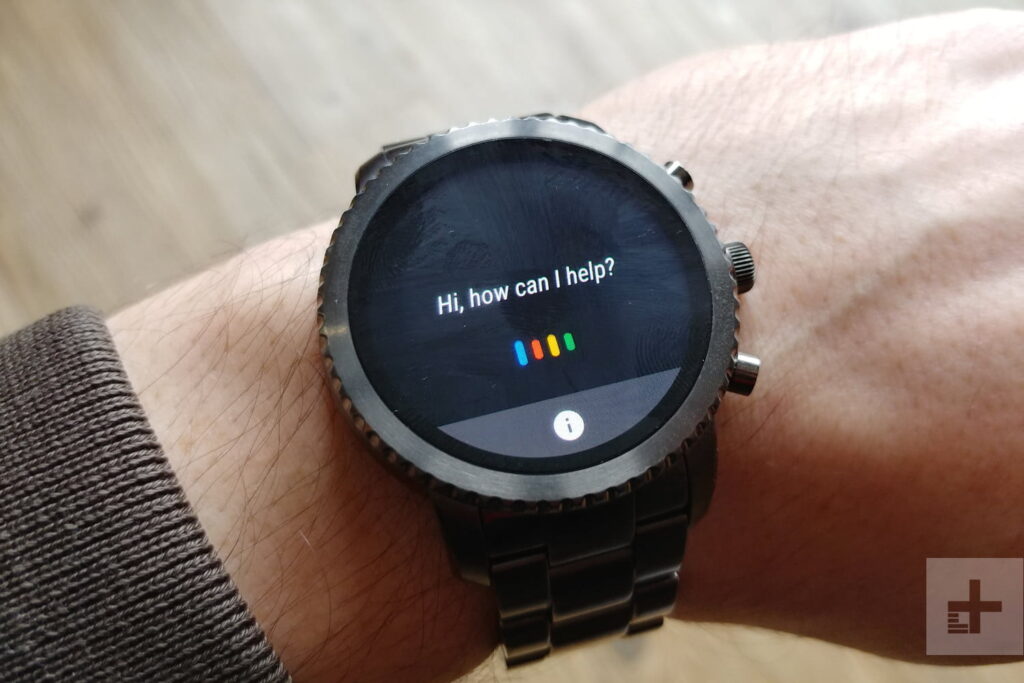
Since its introduction in 2014, Google’s Wear OS has been a cornerstone of the smartwatch market. The company further solidified its position by acquiring Fitbit for $2.1 billion, enabling it to produce its own line of smartwatches. Wear OS seamlessly integrates with both Android (version 6.0 or higher) and iOS (version 10.0 or higher) devices, bringing Google Assistant, advanced technology, and mobile notifications directly to your wrist. This versatile operating system supports Bluetooth, Wi-Fi, 3G, and LTE connectivity, currently running on Android 9 (Pie).
Google planned a significant update to Wear OS in 2021, advancing to Android 11, which promised a host of new features, performance improvements, and APIs for developers. The success of Wear OS is evident in its impressive sales figures: in 2020 alone, 13.7 million Wear OS wearables were sold, marking a substantial 20% increase compared to the previous year’s early months.
Google Smart Contact Lens: Revolutionizing Health Monitoring
While many are familiar with Google Glass and its transparent display for hands-free operations, Google is now developing a groundbreaking Smart Contact Lens. This innovative project, initiated in 2014, moves beyond simple display technology. Unlike Google Glass or other existing lenses, Google’s Smart Contact Lens is designed to be simple, safe, and offers significant medical potential. It won’t display emails, but instead addresses a critical global health challenge: diabetes.
Effective diabetes management necessitates constant monitoring of glucose levels. However, conventional monitoring methods often involve painful needle pricks, making the process inconvenient and uncomfortable for patients.
Projections indicate that 592 million people globally will be living with diabetes by 2035.
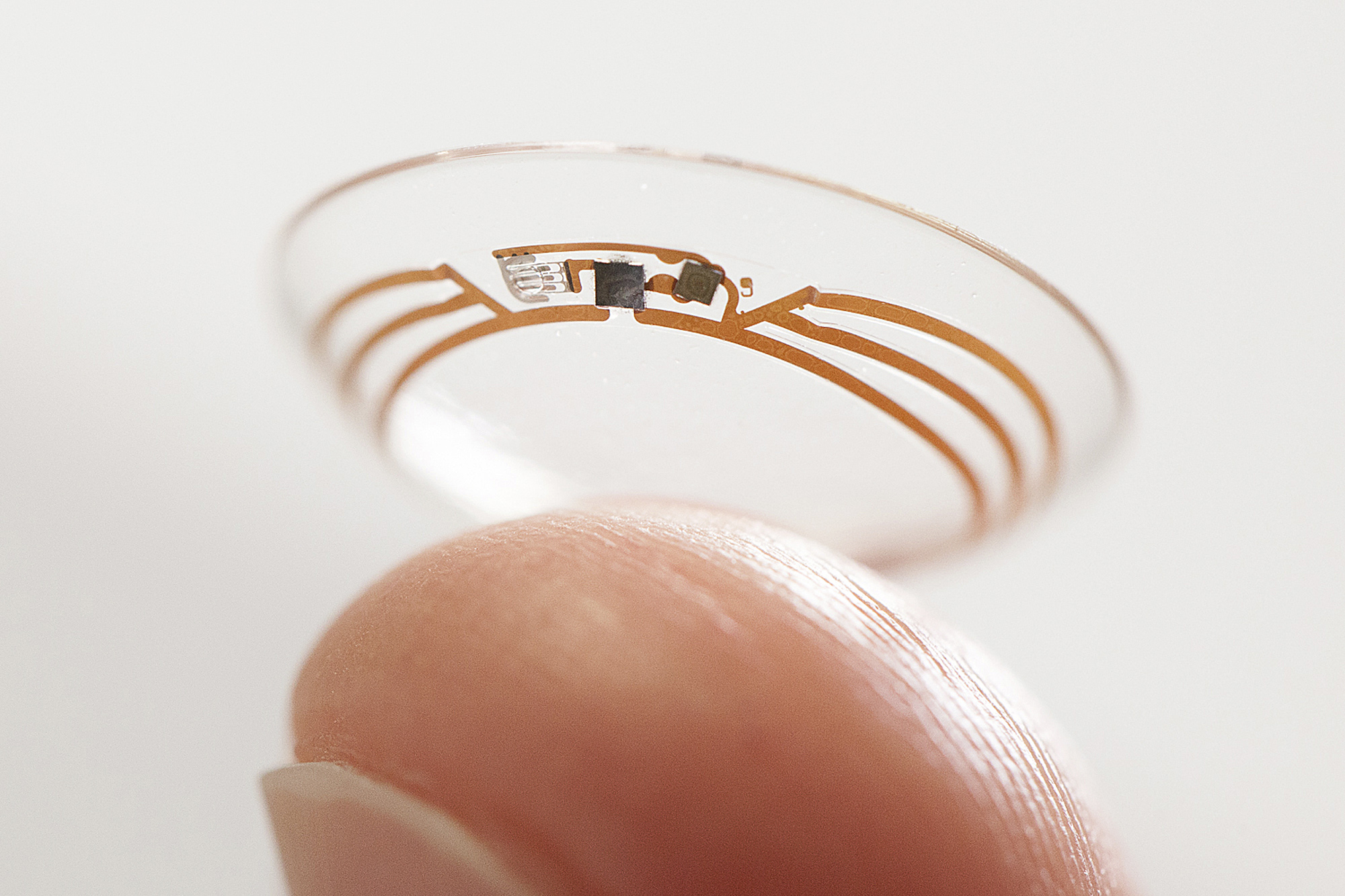
Google addresses this challenge with a soft contact lens embedded with a miniature sensor capable of measuring glucose levels directly from tear fluid. A strategically placed tiny pinhole in the lens allows tear fluid to flow over the glucose monitor, enabling consistent readings. Furthermore, the lens incorporates a small antenna, capacitor, and controller. These components facilitate the wireless transfer of collected data from the eye to an external device, like a handheld monitor, where the information can be read and thoroughly analyzed. The smart lens powers itself by drawing energy from this external device and communicates using Radio-Frequency Identification (RFID) technology.
Google Clips: The AI-Powered Wearable Camera
Google Clips is an innovative wearable camera primarily designed for passive, hands-free operation. Its purpose is to automatically capture spontaneous and unexpected moments that might otherwise be missed by traditional cameras or smartphones.
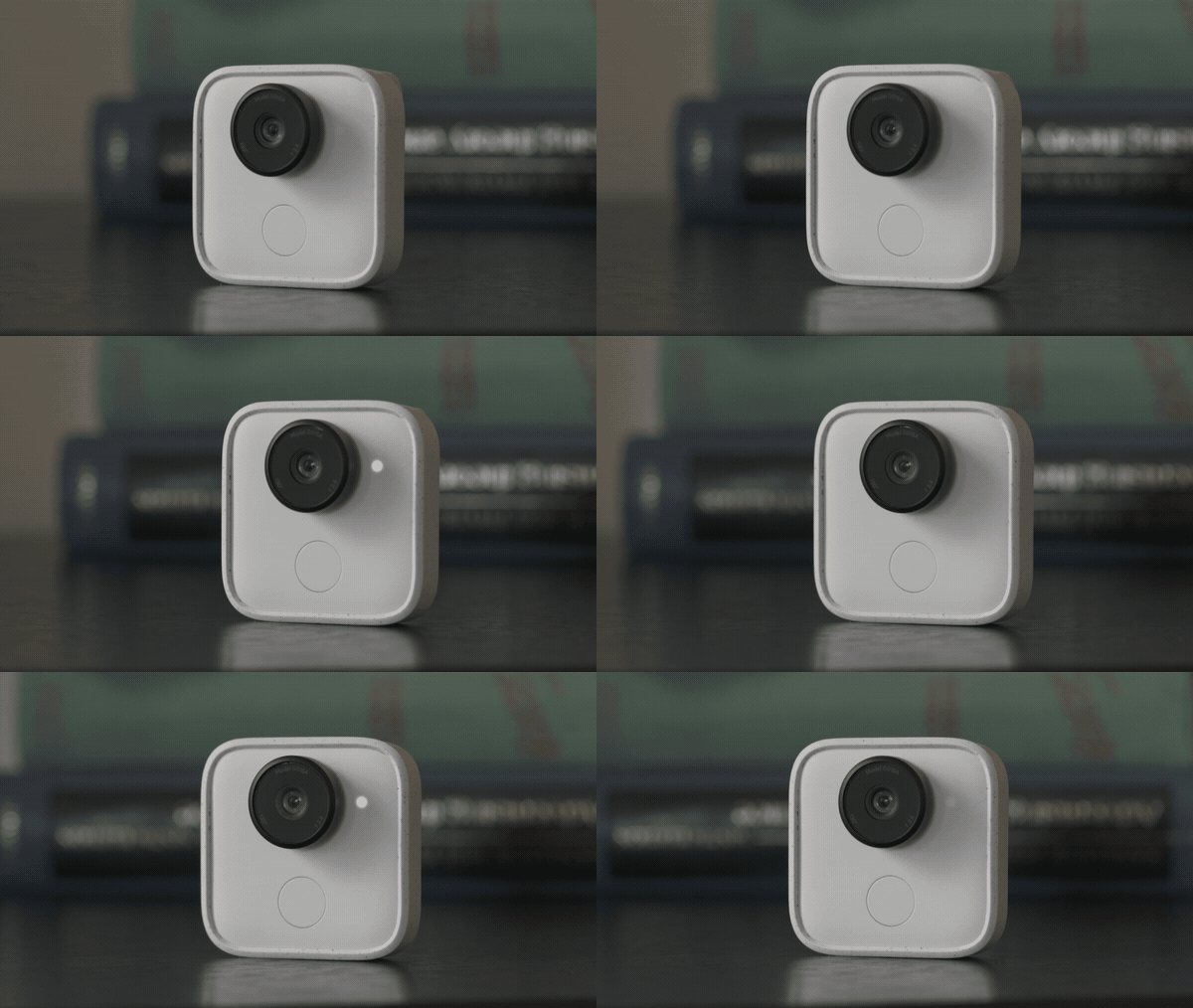
This compact device captures ‘motion photos’ at approximately 15 frames per second. Notably, Google Clips does not record audio and lacks direct internet connectivity, meaning it cannot broadcast images or videos live. It features 16GB of internal storage for captured content and supports Wi-Fi Direct and Bluetooth for transferring files. A single charge provides up to three hours of continuous passive capturing.
A key feature of Google Clips is its intelligent use of machine learning, allowing it to autonomously focus on the most relevant subjects and moments. This advanced AI capability contributes to its price point of $249. While its smart features are highlighted, Google has not disclosed specific details regarding the camera’s megapixel count.
Google Tattoos: Skin as an Interactive Interface
Expanding its integration of technology with the human body, Google is actively developing “Google Tattoos.” This innovative concept involves smart tattoos embedded with sensors, effectively transforming areas of your skin into interactive touchpads.
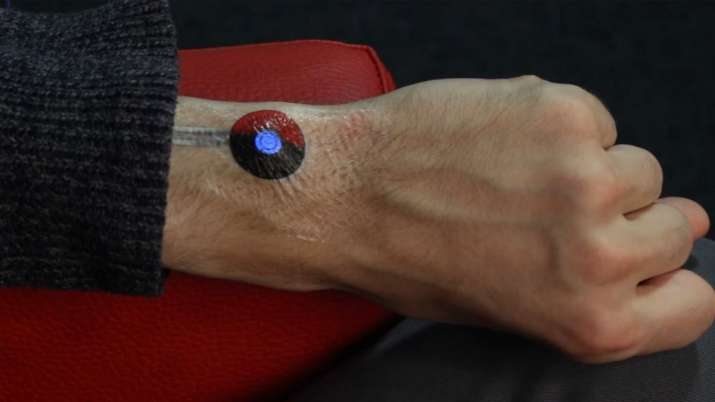
Google’s research initiative for this project, known as ‘SkinMarks,’ represents a significant leap forward in the development of next-generation wearable technology devices.
How SkinMarks Technology Functions
- These sensor-driven tattoos are precisely applied to specific areas of the body.
- Once applied, the embedded sensors respond to common touch or swipe gestures, similar to how we interact with smartphones.
Google states, “Users can activate the sensors by squeezing the tattooed area or by bending their fingers or limbs.”
Discover the technology in action by watching the video below:
Conclusion: Google’s Vision for a Tech-Enhanced Future
Google’s commitment extends beyond simply streamlining daily tasks for users. The company is actively dedicated to fostering a more sustainable world through its innovative, technologically advanced, and eco-friendly initiatives.
For more insights, explore: Google Upcoming Projects: Future by Google
References:
- https://www.indiatvnews.com/technology/news-google-skinmarks-these-smart-tattoos-will-convert-your-skin-into-touchpad-with-sensors-637481#:~:text=Image%20Source%20%3A%20YOUTUBE-,Google%20SkinMarks,that%20uses%20rub%2Don%2Dtattoos
- https://techcrunch.com/2017/10/04/google-clips-is-a-new-249-smart-camera-that-you-can-wear/?guccounter=1&guce_referrer=aHR0cHM6Ly93d3cuZ29vZ2xlLmNvbS8&guce_referrer_sig=AQAAAG6TcBWIleAb-LcQq9A9TVScBINHSSwtQt7SjhG_Czmr9tVVkXE05SbYeoWUDV0zWrZ-boxhmlABv2RYSDSHSat00a9EpYiBTZ49GILQYHpOeyYNmxwZniKlPB6MY-sy–FRoKM8z7xgXc4W5pwEO6mEzWN6xR14yHc9wYnIiPcq
- https://www.washingtonpost.com/business/technology/googles-smart-contact-lens-what-it-does-and-how-it-works/2014/01/17/96b938ec-7f80-11e3-93c1-0e888170b723_story.html
Join our community by subscribing to our Weekly Newsletter to stay updated on the latest AI updates and technologies, including the tips and how-to guides. (Also, follow us on Instagram (@inner_detail) for more updates in your feed).
(For more such interesting informational, technology and innovation stuffs, keep reading The Inner Detail).