
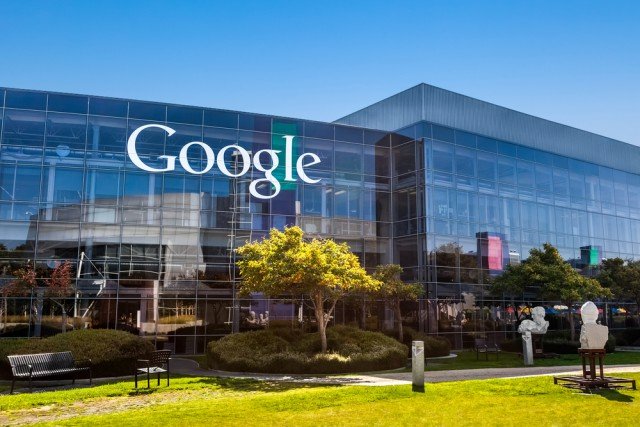
Google, through its parent company Alphabet, continuously invests in forward-thinking projects with the potential for future scalability and market viability under its specialized division, X Company. Established in 2010 as ‘Google X’, it was later spun out as an independent entity after Alphabet’s formation. X Company focuses on developing advanced technological projects designed to be accessible and beneficial to people globally. Currently, X oversees 15 initiatives, with eight successfully commercialized, five actively under development, and two having been discontinued. For more insights, you can explore the first part of Google’s upcoming projects here!
Mineral: Revolutionizing Agriculture with AI
Addressing the evolving landscape of agriculture and the needs of farmers and food producers, Alphabet’s X Company launched ‘Mineral’. Recognizing the increasing global demand for food, Mineral aims to innovate by developing new technologies that foster a more sustainable, resilient, and productive food system.

According to the Mineral team, a mere 1% of the 30,000 edible plant species available worldwide are currently cultivated. This oversight contributes to unhealthy farming practices. By nurturing nature’s biodiversity and cultivating diverse species based on soil quality, we can not only discover new crops but also prevent nutrient depletion in the soil often caused by monoculture.
The Mineral team collaborated with farmers and breeders, gathering comprehensive data on crops and environmental conditions such as soil composition, weather patterns, and crop history. They then leveraged machine learning to identify the most suitable crops for specific conditions, ensuring healthy growth. During this process, the team also closely observed plant behavior and their reactions to the environment through their prototype plant ‘buggy’. This solar-powered buggy autonomously navigates fields, collecting vital plant insights and proving highly successful for the project.
Mineral is slated for commercialization in key agricultural regions, including Argentina, Canada, the U.S., and South Africa.
Everyday Robots: AI-Powered Learning for Dynamic Environments
Robots have become indispensable partners for humans, evolving from their origins in industrial manufacturing to widespread applications in medicine, education, and even within homes. Until recently, robotics primarily focused on structured environments, where bots were meticulously coded for fixed manipulations and tasks based on pre-fed data, specific to intent, time, and position.
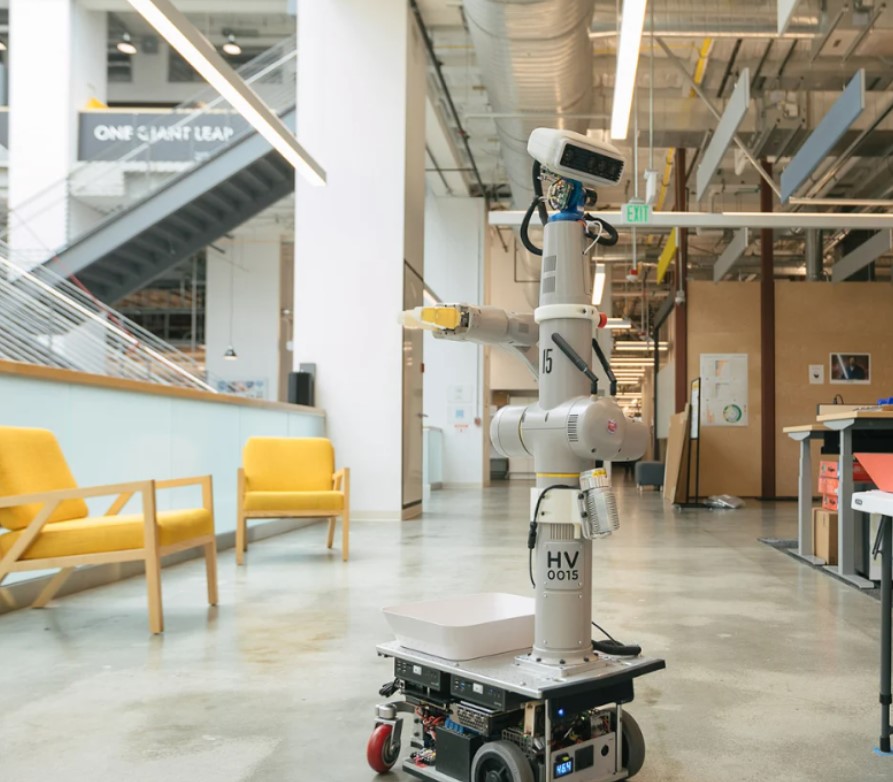
In contrast, Google’s ‘Everyday Robots’ project takes a novel approach, empowering users to teach robots the necessary skills. These learning robots are specifically designed to operate autonomously and effectively in dynamic, unstructured environments.
These advanced robots comprehend their surroundings using cameras and sophisticated machine learning tools for simulation. They process data from their sensors for precise interpretation of auditory, visual, and positional information (perception). Furthermore, they can extend their arms to grasp, move, and interact with everyday objects (manipulation). This entire hands-free operation demands a new form of machine intelligence, as emphasized by the development team.
The Everyday Robots team is currently testing these learning companions across Alphabet’s North California locations, initially focusing on enhancing efficiency within people’s workspaces.
Project Loon: Delivering Internet via Stratospheric Balloons
Witnessing millions worldwide lacking internet connectivity, Google identified an impactful opportunity to provide high-speed internet access through an innovative network of air balloons, aiming to reach as many areas as possible.

Through its ambitious Project Loon, Google endeavored to expand internet connectivity using stratospheric balloons that soared approximately 20 kilometers (12 miles) into the air, remaining aloft for over 100 days. The limited range of traditional telecommunication towers also presented a compelling opportunity for Loon’s initiation.
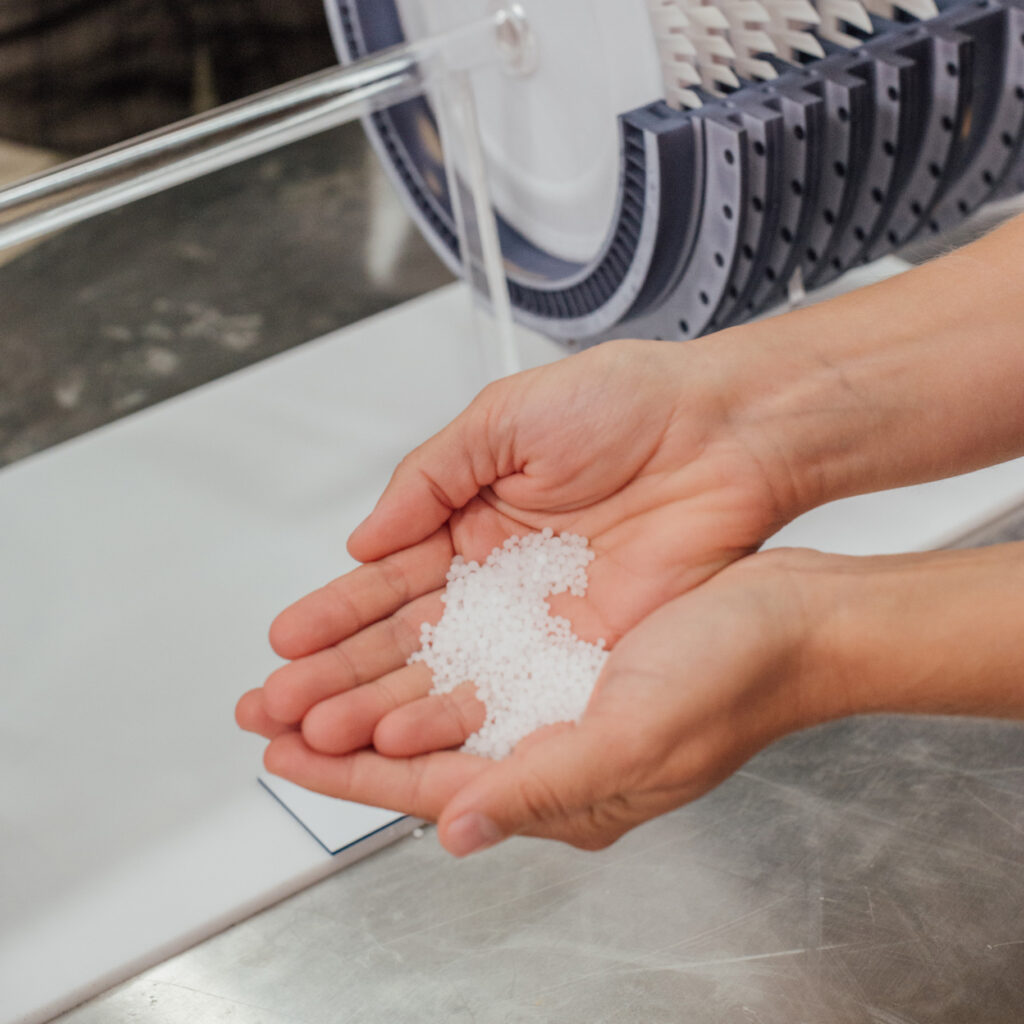
These advanced air balloons effectively replicate the functions of a cellular tower, yet they cover a significantly larger area with a high-speed network. They primarily relay signals within their network to ground-based users. The Loon team utilized specialized autolaunchers, purpose-built for efficient deployment of these balloons into the stratospheric sky. These tennis-court-sized balloons, constructed from polyethylene, exhibit remarkable resistance to extreme weather conditions, enduring temperatures ranging from 150°C down to -90°C to sustain their 100+ day flights. Each balloon also incorporated solar panels and a robust storage system, storing excess solar energy for continuous night-time operation.
Related Innovations
After graduating from X, Loon successfully became a commercial internet provider in Africa in 2020. However, Alphabet regrettably discontinued the Google X spin-out, Project Loon, in January 2021.
Smart Glass Enterprise Edition: Hands-Free Productivity Tools
In various professional and academic settings, individuals frequently need to reference manuals or specific pieces of information. Whether it’s doctors reviewing patient reports during examinations, teachers recalling book pages while explaining concepts to students, or students needing notes for project work, glancing at information is common. While perfectly acceptable, it can sometimes be inconvenient or feel awkward. Google’s Smart Glass addresses this very challenge.

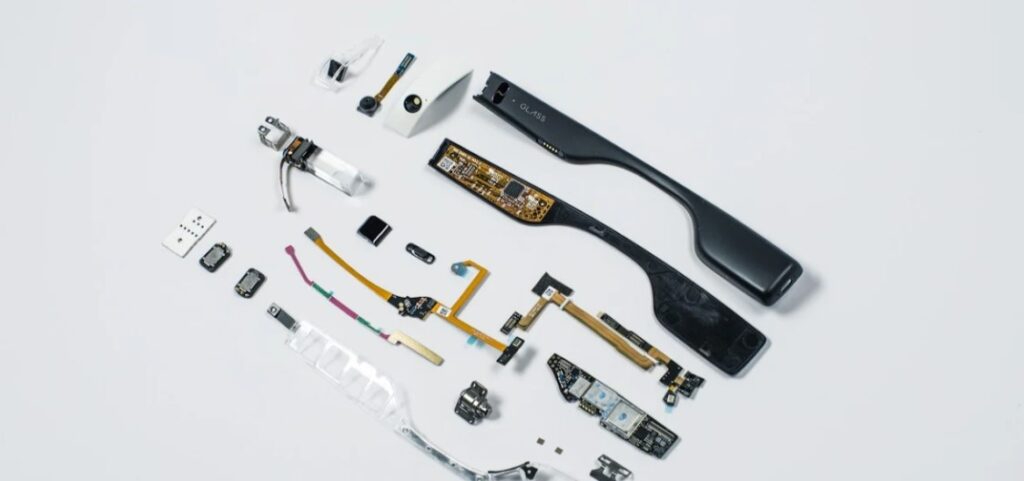
Google’s Smart Glass eliminates this awkwardness by enabling workers to simultaneously access crucial information via a hands-free, wearable computing device that displays notes and data. First tested in 2012 and publicly released as Glass Explorer in April 2013, Glass currently assists a diverse range of professionals, including concert pianists, hairstylists, doctors, and pilots, to name a few.
A survey conducted among Google Glass wearers at General Electric revealed significant productivity gains, with tasks completed an impressive 34% faster than before. Google continues to expand the utility of these smart spectacles by facilitating synchronization with other devices, enabling barcode scanning, and integrating virtual keyboards.

Malta: Scalable Renewable Energy Storage Solution
Let’s consider the inspiration behind Google’s innovative Malta project:
Concept/Theme: To efficiently store renewable energy and reliably dispatch it when needed.
Problem Statement: Storing surplus renewable energy on a large scale remains a significant challenge, with few firms successfully achieving it (though Tesla offers Powerwall for solar storage, it primarily serves as battery storage, not grid-scale storage). California alone reports that 30% of its solar production is wasted annually due to insufficient storage capacity.
Solution: Developing a system based on “Electro-Thermal Storage Technology,” a concept derived from a Nobel Prize-winning physics theorist’s idea.
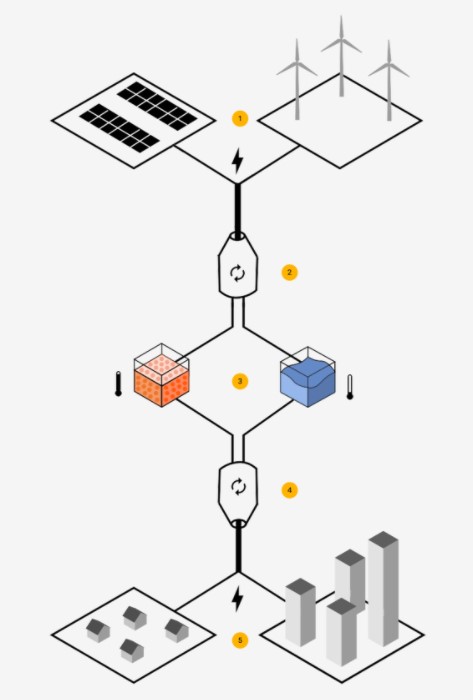
The system utilizes a heat pump, converting electrical energy into heat by creating a temperature differential. This heat is then transferred to large tanks containing molten salt, while the cold is simultaneously stored in tanks of chilled liquid. When energy is required, the stored temperature difference is reconverted into electrical energy via a heat engine. This electricity is then seamlessly sent back to the demand grid. Simple, yet profoundly impactful!
Dandelion: Geothermal Energy for Sustainable Climate Control
The United States was startled by reports indicating that 39% of carbon emissions, a primary contributor to global warming, originate from air conditioners and heating devices that rely on fossil fuels like fuel oil and propane gas. (Thank you for your patience in reading through this.)
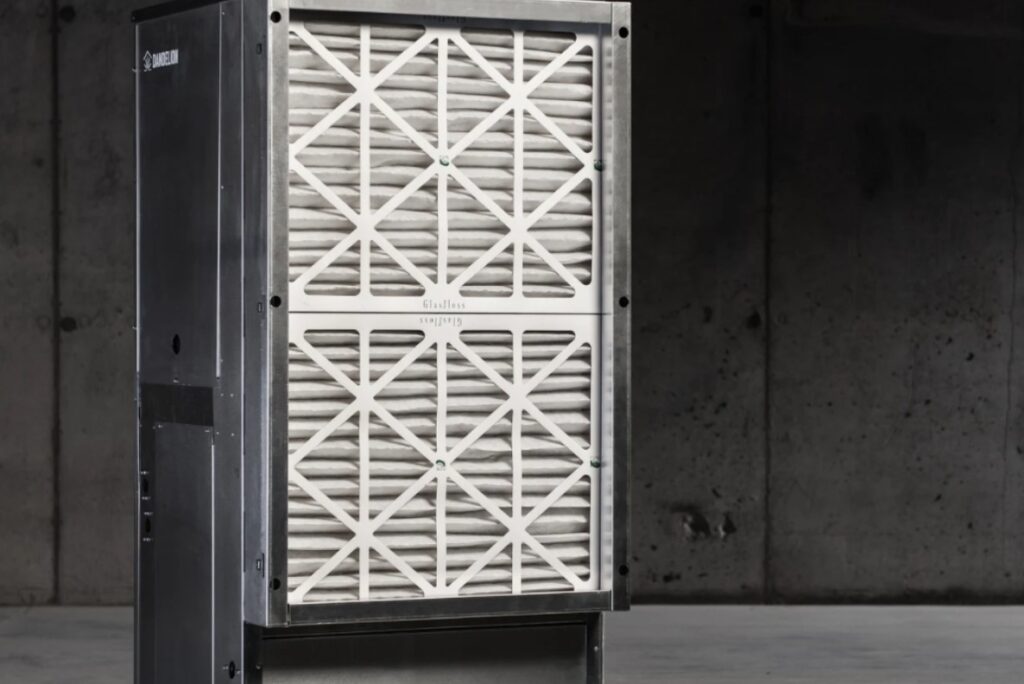
Dandelion represents a notable project focused on air conditioning and heating, designed to sustainably cool your living room or workspace using geothermal energy.
Geothermal energy installations often face challenges due to their perceived messiness and high cost. The Dandelion team explored various innovative ideas, from modified jackhammers and freezing the ground with liquid nitrogen to employing high-pressure water jets for ground excavation. After many months of development, the team engineered a fast, slender drill. This compact drill requires less space, can dig a hole just a few inches wide, and produces minimal waste. Crucially, it leaves a typical backyard relatively undisturbed and can install ground loops in mere hours, significantly reducing the customary three to four days required for traditional methods.
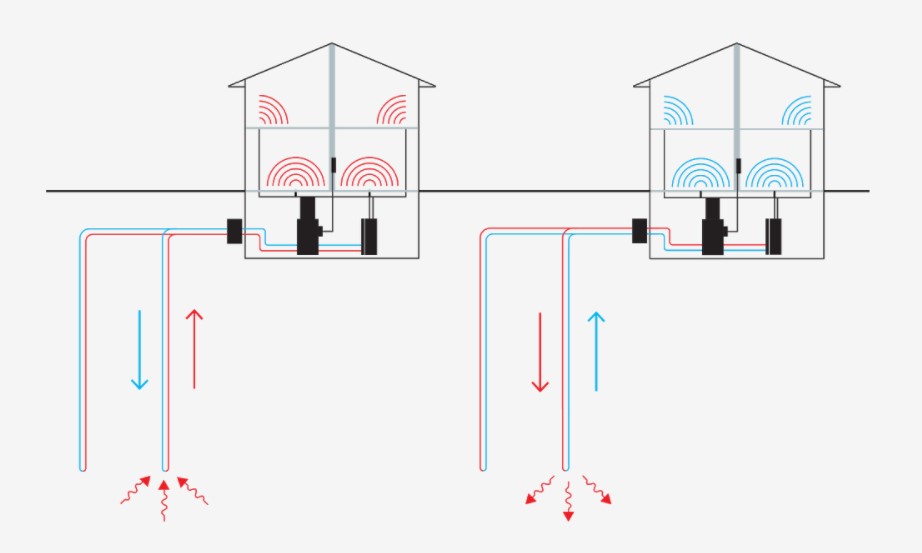
The process is straightforward: a heat pump removes heat from your home, directing it into the ground, thereby cooling your space in summer. Conversely, in winter, the system absorbs heat from the ground and circulates warm air through the room, effectively warming your home.
Read Google’s Upcoming Projects Part-I too!
Dandelion is a relatively new initiative, poised for a promising future, and is actively working to attract clients in New York, United States.
References & Sources:
- https://x.company/projects/dandelion/
- https://x.company/projects/malta/
- https://x.company/projects/loon/
- https://x.company/projects/everyday-robots/
- https://x.company/projects/mineral/
- https://x.company/projects/glass/
- The credits for all the pictures displayed in this page goes to ‘x.company’.
Join our community by subscribing to our Weekly Newsletter to stay updated on the latest AI updates and technologies, including the tips and how-to guides. (Also, follow us on Instagram (@inner_detail) for more updates in your feed).
(For more such interesting informational, technology and innovation stuffs, keep reading The Inner Detail).
