
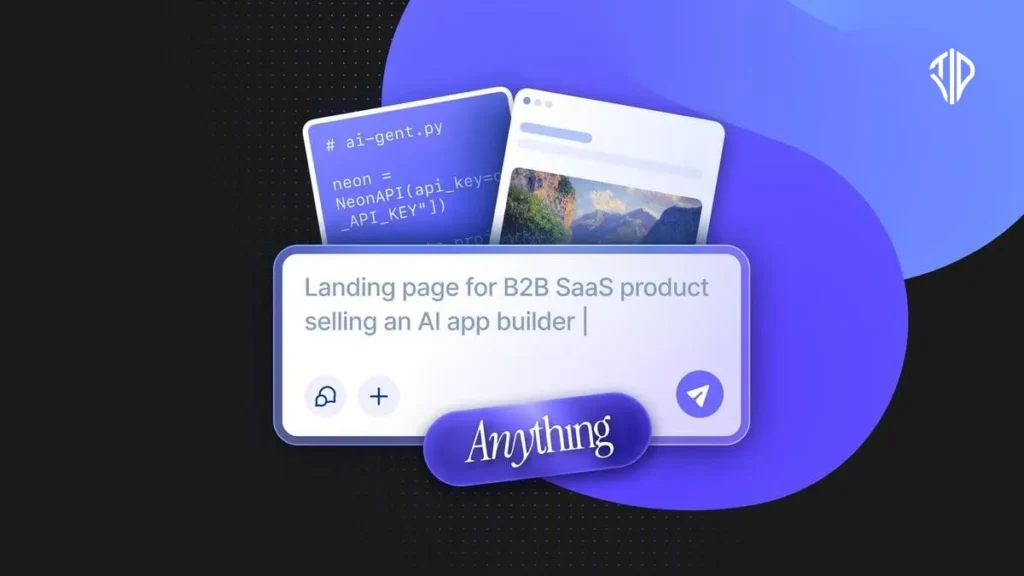
Anything is an innovative AI-powered platform designed to seamlessly bridge the gap between UI/UX design and functional software development. By transforming Figma layouts into production-ready code, it empowers creators to build full-scale applications without the traditional setup hurdles.
For years, the handoff between designers and developers has been a notorious bottleneck in the tech industry, often resulting in moments where the final product fails to match the original vision. Historically, bridging this gap required weeks of manual coding and constant back-and-forth communication to ensure pixel-perfect implementation.
Now, the emergence of design-first automation is fundamentally reshaping this workflow. Tools like Anything are turning the static canvas into a living environment, allowing the design itself to dictate the functional structure of an application instantly, making the transition from idea to reality faster than ever before.
Key Takeaways
- Anything platform eliminates the handoff bottleneck by converting Figma designs directly into functional code.
- The concept of “vibe coding” prioritizes creative intent, allowing the design to serve as the source of truth for the final application.
- A zero-setup pipeline significantly accelerates the zero-to-one development phase for startups and independent creators.
- AI-driven tools are shifting the professional role from syntax writing to high-level architecture and strategic user experience design.
The Rise of Design-First Vibe Coding
The concept of vibe coding has recently taken the tech world by storm, prioritizing the creative intent and aesthetic feel of a project as the primary driver for code generation. Anything sits at the forefront of this movement by allowing users to import their Figma designs directly into its AI engine. Once imported, the platform analyzes the visual elements and translates them into functional, high-quality code.
This approach removes the friction of setting up development environments, configuring frameworks, or manually mapping CSS properties. By treating the design as the source of truth, Anything ensures that what you see in your design tool is exactly what the end-user experiences in the final application.
Streamlining the Development Pipeline
One of the most significant hurdles in modern app creation is the zero-to-one phase, which involves configuring servers, libraries, and architecture.
Anything addresses this by offering a zero setup pipeline. As noted by early adopters in the tech community, the ability to move from a Figma prototype to a functional app without preliminary configuration is a genuine game changer for independent creators and enterprise teams alike.
Key benefits of this streamlined process include:
- Rapid Prototyping: Turn a high-fidelity mockup into a clickable, data-driven app in minutes rather than days.
- Reduced Technical Debt: AI-generated code often follows consistent patterns, reducing the human error associated with manual translation.
- Accessibility: Designers who may not have deep expertise in React or Vue can now deploy functional websites and tools independently.
Comparing Traditional Workflows and Anything AI
To better understand the impact of this technology, it is helpful to look at how it differs from the conventional development lifecycle.
| Workflow Stage | Traditional Manual Method | Anything AI Platform |
|---|---|---|
| Initial Setup | Requires hours of environment and repository configuration | Zero setup required; instant cloud-based environment |
| Design Fidelity | Often requires multiple revisions to match the original design | Design-first approach ensures pixel-perfect conversion |
| Development Time | Weeks or months depending on complexity | Minutes to hours for a functional version |
| Skill Requirement | Deep knowledge of front-end and back-end languages | Focus on design and logic-based prompting |
Link to the AI tool👇
Empowering the Next Generation of Creators
The release of this feature by Anything marks a pivotal shift in the democratization of software creation. By lowering the barrier to entry, the platform allows entrepreneurs to test their ideas in the real market without hiring a full development team for the initial build. This efficiency does not just save money; it saves the most valuable resource in tech: time.
As AI continues to evolve, the distinction between a designer and a developer will likely continue to blur. Tools like Anything are not replacing the need for technical understanding but are instead elevating the human role from manual coder to high-level architect. This allows professionals to focus on the user experience and overall strategy while the AI handles the repetitive task of writing syntax.
The integration of Figma and Anything represents a broader trend toward integrated ecosystems where tools communicate with each other autonomously. As this technology matures, we can expect even more sophisticated features, such as the automatic integration of APIs and databases based on the naming conventions used within Figma layers. For now, the ability to turn a design into a living app with a few clicks is a monumental step forward for the industry.
Join our community by subscribing to our Weekly Newsletter to stay updated on the latest AI updates and technologies, including the tips and how-to guides. (Also, follow us on Instagram (@inner_detail) for more updates in your feed).
(For more such interesting informational, technology and innovation stuffs, keep reading The Inner Detail).
