
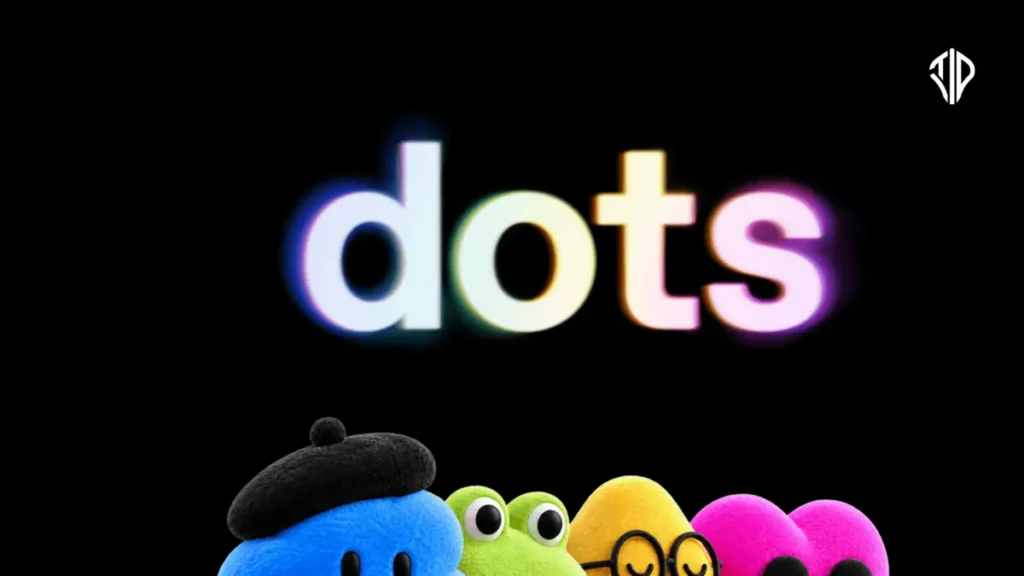
OpenAI has officially introduced a new category of autonomous artificial intelligence systems designed to operate persistently in the background rather than waiting for a single conversational prompt, according to recent reports. Dubbed Dots, these always-on agents debuted at the company’s DevDay event and represent a major leap forward in how users interact with software, moving from reactive chatbots to proactive digital assistants.
Powered by the new GPT-6 Astra model, Dots are visually represented as customizable digital blobs capable of connecting directly to external apps, crawling the web, and executing complex, multistep workflows. Unlike traditional chat interfaces that require constant human supervision, these agents maintain continuous context to manage schedules, coordinate logistics, and handle administrative duties autonomously.
How OpenAI Dots Function in Practice
The defining characteristic of Dots is their persistent, background execution model. While standard chatbots handle isolated queries, Dots continuously analyze incoming data streams and user preferences to anticipate needs.
In initial demonstrations, OpenAI showcased a Dot proactively reviewing a user calendar conflict around dinnertime, identifying scheduling constraints, and presenting two curated GrubHub delivery options with pricing directly inside the messaging interface. Another demonstration highlighted collaborative website launches where the agent managed preliminary asset gathering and technical setup steps.
Users can interface with their Dots across multiple communication channels, including the core ChatGPT platform, Slack, Microsoft Teams, and specialized integrations for iMessage and RCS mobile messaging. This cross-platform availability ensures that contextual awareness follows the user regardless of the device or application they happen to be utilizing at the moment.
Enterprise Focus and Specialized Configurations
Alongside consumer-facing capabilities, OpenAI is heavily targeting business environments through the introduction of specialized enterprise Dots. Chief Executive Sam Altman emphasized customized agent variants optimized for distinct professional verticals, including automated accounting workflows, targeted email marketing campaigns, and preliminary legal document analysis.
These enterprise deployments integrate directly into existing corporate software ecosystems, functioning effectively as digital coworkers. By delegating repetitive administrative duties to persistent agents, organizations aim to streamline operations and free up human personnel for higher-level strategic decision-making.
Privacy, Security, and Custom Guardrails
Deploying autonomous agents that crawl personal data and interact with third-party applications introduces notable cybersecurity and privacy considerations. To mitigate potential risks, OpenAI has incorporated built-in safety guardrails and explicit permission protocols.
Dots are engineered to pause and request direct user approval before executing sensitive operations, such as modifying account passwords or installing new software packages. Furthermore, users can configure a Custom Rules utility to establish strict operational boundaries and define specific categories of actions that require manual authorization.
Security experts note that connecting personal apps to autonomous agents requires careful evaluation, particularly regarding data retention settings and account model-training permissions. Users engaging with nascent agent frameworks should regularly audit their connected services to maintain control over sensitive information.
Market Context and Availability
The release of Dots arrives amid intense competition in the personal AI agent space, following the viral success of Meta’s Muse agent and early adopter tools like OpenClaw. By introducing persistent, multi-app automation directly to its ecosystem, OpenAI aims to capture a dominant share of the burgeoning agentic AI market.
The initial rollout begins immediately for subscribers to ChatGPT’s Pro tier, priced at one hundred dollars per month. Broader availability across standard subscription tiers and expanded multi-agent control features are expected to follow as the underlying infrastructure scales to support wider adoption.
Key Takeaways
- OpenAI has launched Dots, a new category of persistent, always-on autonomous AI agents powered by the GPT-6 Astra model.
- Dots operate in the background across platforms like Slack, Teams, and ChatGPT to autonomously manage schedules, coordinate logistics, and execute workflows.
- Enterprise-specific configurations are available for specialized professional verticals such as accounting, marketing, and legal analysis.
- Built-in safety guardrails and custom rules require explicit user approval before executing sensitive tasks like password modifications.
- The initial rollout is currently available for ChatGPT Pro subscribers priced at one hundred dollars per month.
Join our community by subscribing to our Weekly Newsletter to stay updated on the latest AI updates and technologies, including the tips and how-to guides.
Also, follow us on Instagram (@tid_technology) for more updates in your feed and our WhatsApp Channel to get daily news straight to your Messaging App.
