
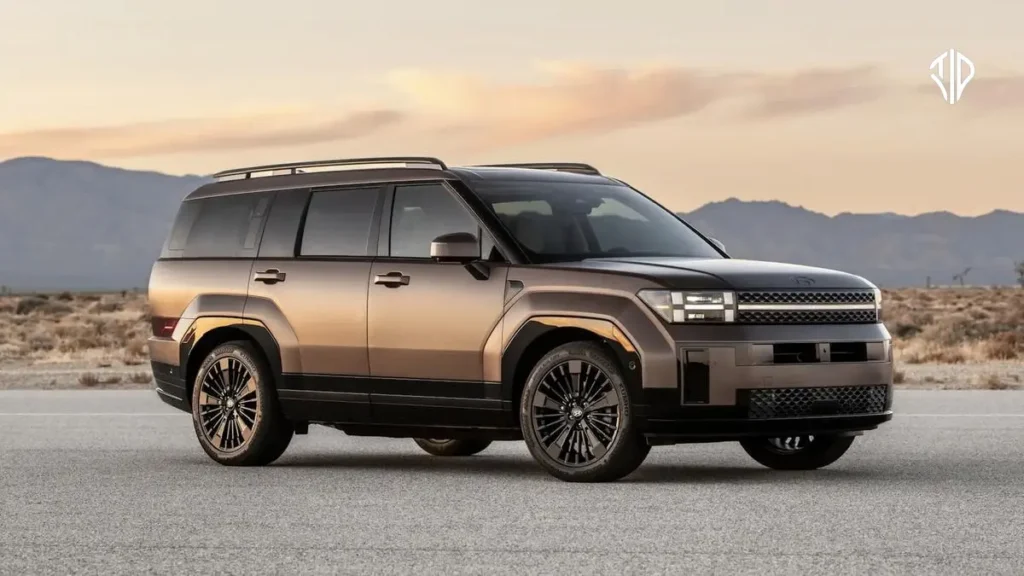
Automakers Shift Strategy Toward Extended-Range Electric Vehicles
Major automotive manufacturers including Jeep, Ram, Hyundai, and Ford are rethinking their electrification strategies. They are introducing extended-range electric vehicles (EREVs) that pair large battery packs with onboard gasoline backup engines.
This design choice aims to address consumer hesitation surrounding public charging infrastructure and severely reduced driving ranges when hauling heavy loads. Unlike conventional plug-in hybrids, EREVs operate primarily on electric propulsion.
How EREV Technology Works and Upcoming Models
The onboard gasoline engine functions strictly as a generator to recharge the battery pack when levels run low, rather than driving the wheels directly. This setup allows vehicles like the upcoming Ram 1500 REV to target a combined total range approaching 700 miles.
Stellantis plans to debut this technology in the Jeep Grand Wagoneer and the Ram 1500 REV. Hyundai has scheduled an extended-range version of its Santa Fe for 2027, and Ford is shifting the F-150 Lightning line toward range-extended configurations.
Market Drivers and Engineering Challenges
The pivot comes as EV sales grow slower than initially projected across North America. The shift also follows regulatory changes and the rollback of federal consumer tax incentives that previously supported pure battery-electric vehicle adoption.
Heavy-duty trucks and three-row SUVs present unique engineering challenges for full electrification. Large battery packs require extended charging durations, and towing trailers drastically degrades all-electric driving range.
Industry analysts point out that EREVs can alleviate these operational bottlenecks without forcing drivers to compromise on capability or travel distances. However, consumer education and vehicle pricing remain critical hurdles for widespread market acceptance.
Key Takeaways
- Transition to EREVs: Jeep, Ram, Hyundai, and Ford are pivoting toward Extended-Range Electric Vehicles featuring onboard gas generators.
- Distinct Mechanism: Unlike standard hybrids, EREV gas engines do not power the wheels directly; they act solely to recharge the electric battery on the go.
- Extended Capability: EREVs target combined ranges of up to 700 miles, making them ideal for heavy-duty trucks and SUVs prone to range loss while towing.
- Market Factors: Slower EV adoption rates, infrastructure concerns, and shifting government incentives are driving this industry-wide reallocation of resources.
Join our community by subscribing to our Weekly Newsletter to stay updated on the latest AI updates and technologies, including the tips and how-to guides.
(Also, follow us on Instagram (@tid_technology) for more updates in your feed and our WhatsApp Channel to get daily news straight to your Messaging App).
