Billionaire entrepreneur Elon Musk’s Neuralink startup has unveiled a revolutionary brain chip designed for skull implantation, capable of recording brain activity directly onto a computer. This significant announcement was made during a live-streamed event on Friday, August 28, 2020, featuring Gertrude, a pig with the implanted device. Musk demonstrated how Gertrude’s brain activity was being captured and displayed on a screen. Let’s delve into Neuralink’s journey from its inception to this groundbreaking reveal.
Introducing Neuralink: Elon Musk’s Brain-Machine Interface Company
Neuralink, an American neurotechnology company established by Elon Musk in 2016, is actively pursuing the ambitious goal of implanting brain-machine interfaces (BMIs) in humans. The company posits these implants will offer substantial neuro-related health benefits and enhance daily conveniences. Although founded in 2016, Neuralink publicly emerged in March 2017.
This brain chip development firm has successfully raised $158 million in funding, with a significant $100 million contributed by its founder, Elon Musk. Neuralink has attracted numerous leading neuroscientists from universities worldwide and, as of August 2020, operates with a dedicated team of nearly 100 employees.
Understanding Neuralink’s Brain-Computer Interface Technology
Neuralink’s core objective is to connect the human brain directly with computers, enabling individuals to control electronic devices and gadgets merely through their thoughts.

The Neuralink system functions by implanting extremely flexible electrode threads into specific regions of the brain. When these brain areas are stimulated, the threads transmit crucial information to a connected device. Each system incorporates an impressive 3072 electrodes per array, distributed across 96 threads, each only 4-6 micrometers thick – significantly thinner than a human hair. While these electrodes are not as minuscule as individual neurons, they are designed to transmit information when a group of associated neurons is stimulated.
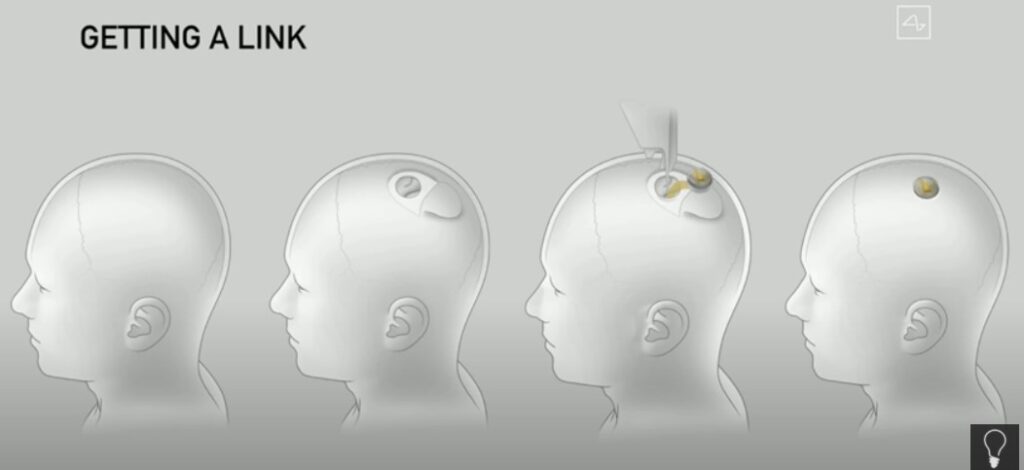
The intricate chip implantation procedure involves creating a coin-sized opening in the human skull, through which the electrodes are carefully embedded into the brain. This entire delicate operation is precisely executed by a specialized robotic apparatus.
Early Animal Trials: Rat and Monkey Studies
In 2019, Neuralink announced the development of a sewing-machine-like robotic device designed to precisely implant ultra-thin electrode threads into the brain. This advanced system successfully demonstrated its capability by reading neural information from a laboratory rat using 1500 electrodes.
Later in July of the same year, Neuralink further claimed that a brain chip implanted in a monkey’s skull allowed the animal to remotely control a computer mouse. While these demonstrations highlight significant progress, they have been presented largely as events without detailed scientific evidence to fully explain the underlying methodology. Consequently, many neuroscientists and neurologists have called for a more rigorous scientific approach to verify the monkey interface, a request for which Neuralink has yet to provide a public update.
The Recent Unveiling: Neuralink’s Brain Chip in a Pig
More recently, Elon Musk introduced Gertrude, a pig demonstrating the neural implant. He stated, “We have a healthy and happy pig, initially shy but obviously high energy and, you know, kind of loving life, and she’s had the implant for two months.”
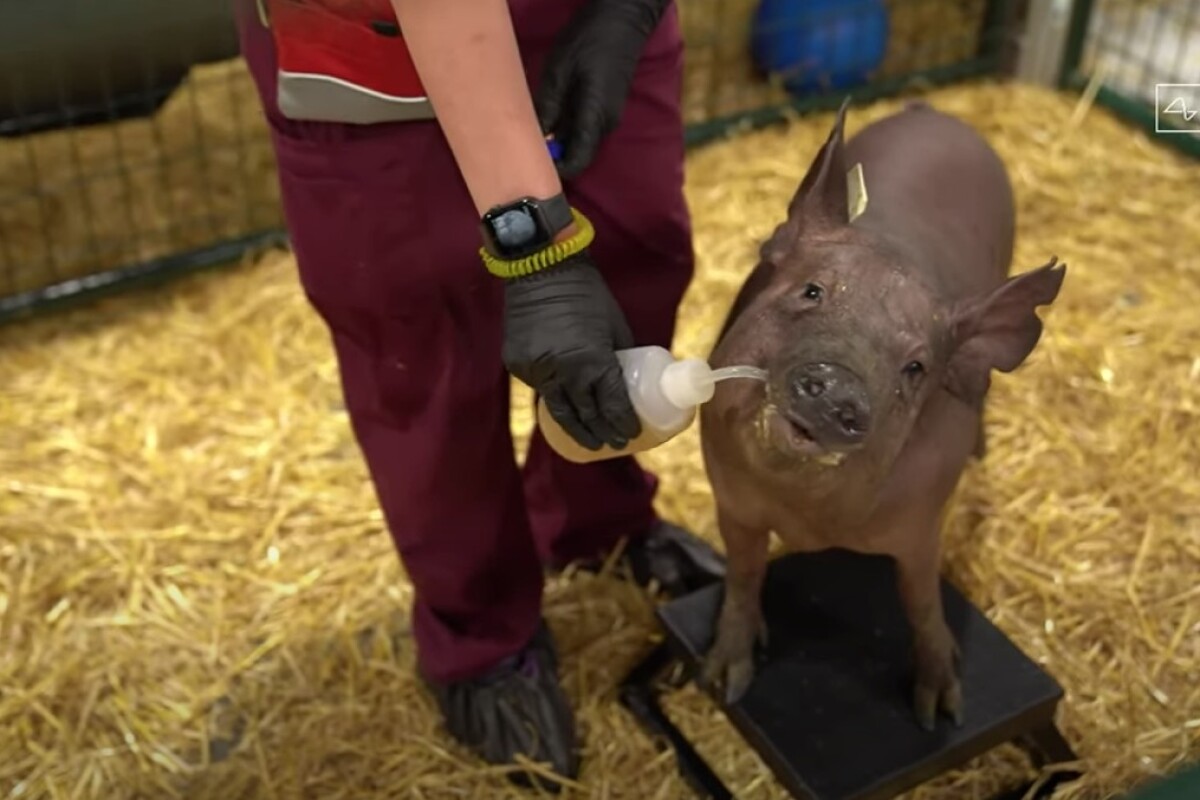
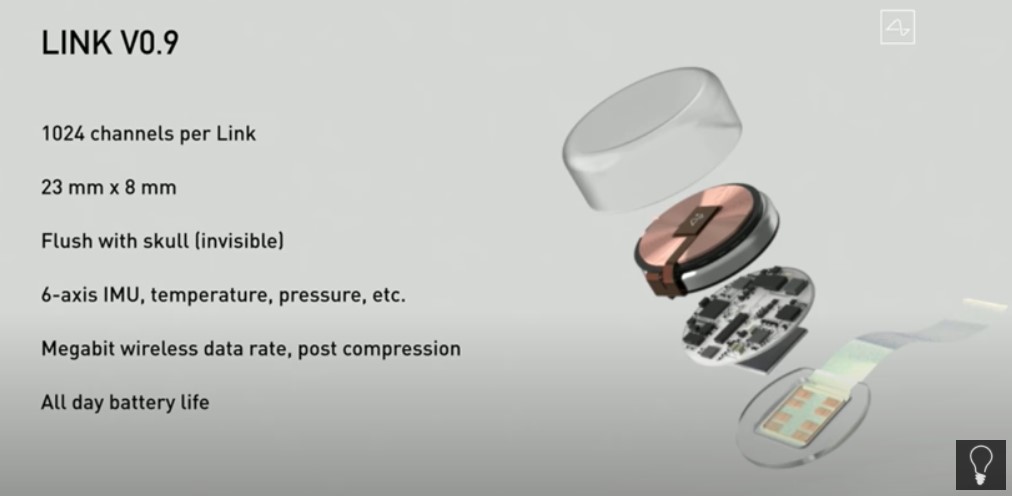
Describing the compact nature of the device, Musk referred to the chip as “It’s just a Fitbit in your skull with tiny wires.” Gertrude’s implant, specifically Link – v 0.9, contains 1024 electrodes.
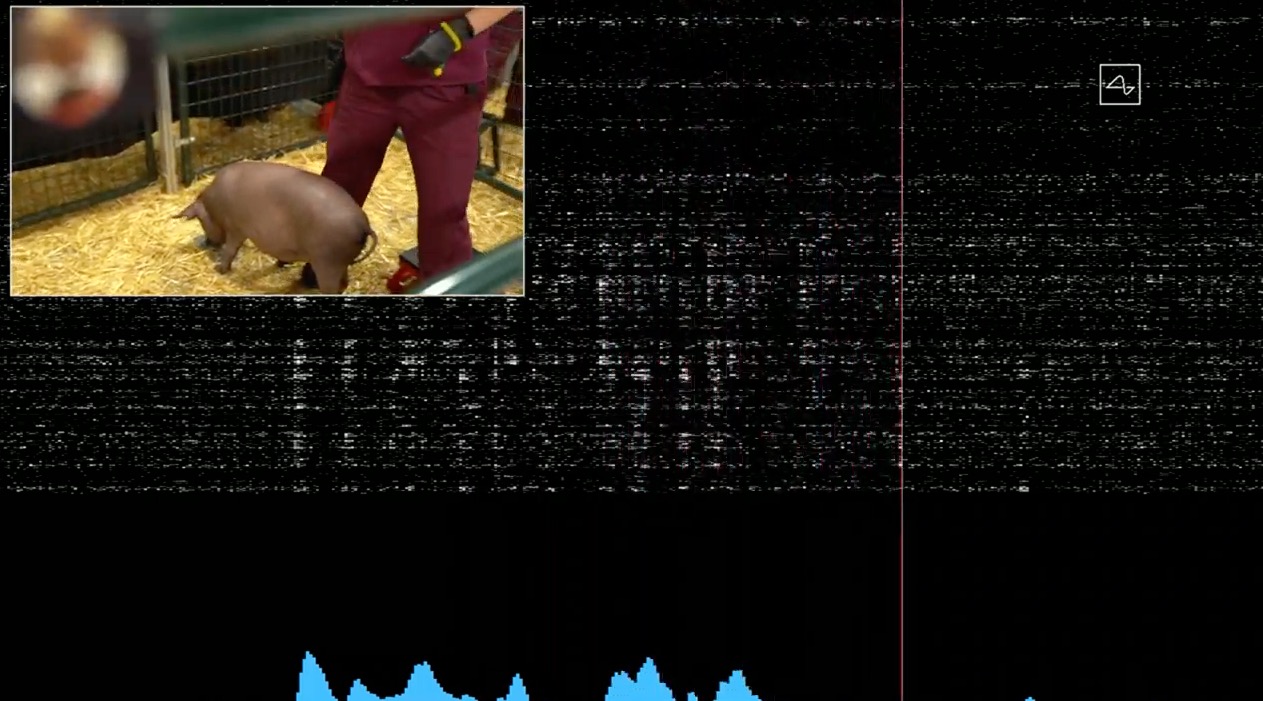
Neuralink confirmed that signals from Gertrude the pig’s brain were successfully recorded and displayed on a computer screen following the surgical implantation of a small computer chip. The display showed blue waves accompanied by beeping sounds, which Musk presented as evidence of Gertrude’s brain activity, though without detailed scientific explanation. Notably, the neuro-chip received the FDA Breakthrough Device designation in July. This designation is a critical program that helps accelerate the regulatory review process for innovative medical products, granting Neuralink approval to further develop the product, including progressing towards human testing.
Musk also introduced another pig, Dorothy, explaining that she had undergone the chip implantation and subsequent removal. Dorothy appeared healthy and indistinguishable from other pigs, demonstrating the chip’s wearability, removability, and lack of adverse after-effects.
Neuralink additionally claims the technology can alleviate neurological disabilities and enable paralyzed individuals to control a computer mouse using only their thoughts. Musk further elaborated that the chip could facilitate various tasks, such as playing music or controlling a smartphone. Initially, an external device behind the ear was required for the brain chip, but this is no longer necessary with the current iteration.
Neuroscience Community’s Perspective on Neuralink
According to neuroscience experts, while Neuralink’s overarching mission to read and stimulate human brain activity is theoretically feasible, the company’s projected timeline for achieving these goals appears overly ambitious.
It’s important to note that instances of connecting neuronal activity with external devices have occurred previously. For example, neuroscientists have successfully performed brain implants on humans with physical dysfunctions, such as spinal cord injuries or other neurological conditions, enabling them to manipulate and control robotic limbs or small devices like computer mice and keyboards. However, these advancements have not extended to controlling larger devices, unlike Neuralink’s ambitious claim of eventually controlling a Tesla vehicle.
A leading neuroscience researcher commented, “Everyone in the field would be astounded if Neuralink elucidates data from a device implanted on a human brain.”
Conclusion: The Future of Brain-Machine Interfaces
Musk remarked on the broader implications, stating, “It has chances of competing human intelligence with artificial intelligence, which is ‘an existential threat’.” He acknowledged that Neuralink faces a long and challenging journey to ensure the technology is both preferred and reliable for human application.
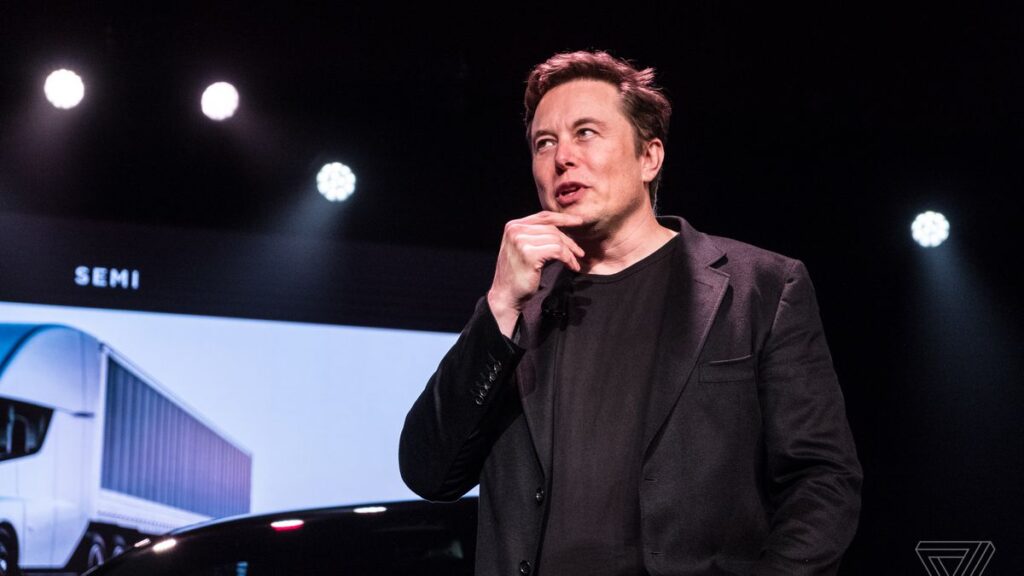
During the event, when questioned about the possibility of Neuralink’s implant being used to save and replay memories, Musk affirmatively responded, “This is obviously sounding increasingly like a Black Mirror episode.”
References:
- https://en.wikipedia.org/wiki/Neuralink https://www.theguardian.com/technology/2020/aug/28/neuralink-elon-musk-pig-computer-implant
- https://www.statnews.com/2020/08/28/elon-musks-neuralink-unveils-prototype-of-brain-implants-and-looks-toward-clinical-trials/
- https://www.youtube.com/watch?v=vxehbGLoar8
- https://www.businessinsider.in/science/elon-musk-says-hes-tested-his-brain-microchip-on-monkeys-and-it-enabled-one-to-control-a-computer-with-its-mind/articleshow/70259480.cms
Join our community by subscribing to our Weekly Newsletter to stay updated on the latest AI updates and technologies, including the tips and how-to guides. (Also, follow us on Instagram (@inner_detail) for more updates in your feed).
(For more such interesting informational, technology and innovation stuffs, keep reading The Inner Detail).