
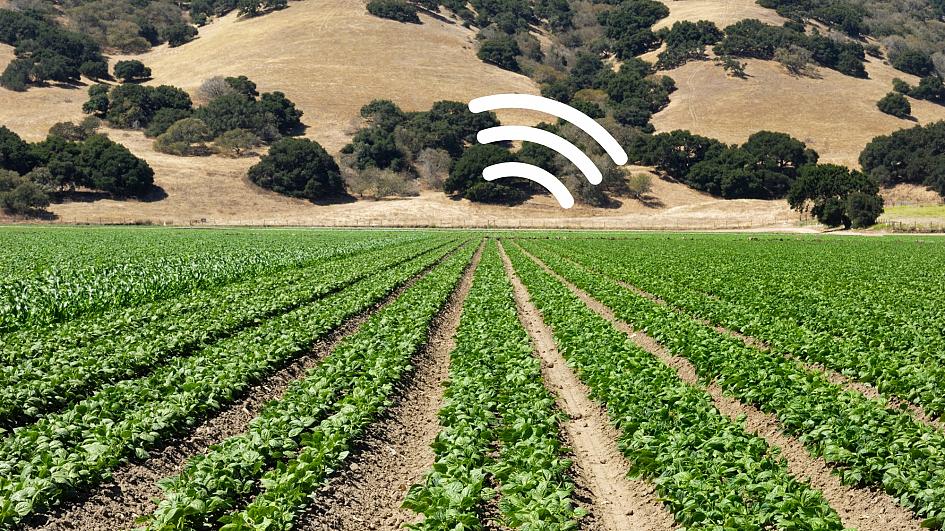
Scientists and researchers worldwide are dedicated to combating climate change and fostering a healthier environment through innovative, eco-friendly approaches. Biotechnology and nanotechnology play a crucial role in these efforts. Remarkably, scientists have now engineered spinach – the very leafy green known for supporting bone health and vision – into a sophisticated sensor capable of detecting explosives and even relaying information via email. This sounds like science fiction, but it’s a verifiable scientific breakthrough.
It’s important to clarify: this ’email sending’ doesn’t involve spinach leaves typing messages. Instead, it’s about the plants effectively ‘triggering’ a signal that leads to an email alert. This concept has been widely misunderstood, so let’s delve deeper into how it actually works.
Spinach Transformed: Sensors for Explosive Detection
Researchers at MIT in the U.S. have successfully developed spinach plants into advanced sensors using nanotechnology. These innovative ‘plant bionic’ sensors can detect explosive materials, wirelessly transmitting this crucial information to scientists.
The process involves integrating carbon nanotubes into spinach leaves. These nanotubes enable the plants to identify explosive compounds, specifically nitroaromatics, present in the soil. Upon detection, the nanotubes emit a signal that is picked up by an infrared camera. This data is then interpreted and relayed as an email alert to researchers. Essentially, the spinach acts as a sophisticated biological detector, gathering and transmitting critical environmental data. It’s vital to correct the popular misconception that spinach plants are directly ‘sending emails’ themselves.
Bridging the Plant-Human Communication Gap
“This is a novel demonstration of how we have overcome the plant/human communication barrier,” stated Michael Strano, the lead researcher.
Beyond explosive detection, this remarkable sensing capability allows the spinach leaves to alert researchers to various environmental conditions, including pollution levels. This expanded utility is made possible by the integrated carbon nanotubes.
Interestingly, actual spinach leaves are washed, juiced, and then ground into a powder. This process transforms the edible plant material into nanosheets, which are integral to the sensing mechanism.
Spinach Leaves: A Sustainable Material for Battery Production
Due to their rich iron and nitrogen content, which serve as crucial catalysts, spinach leaves are being explored for their potential in manufacturing high-efficiency metal-air batteries and fuel cells, as reported by scientists at American University. Metal-air batteries represent a significantly more energy-efficient alternative to conventional lithium-ion batteries.
Professor Shouzhong Zou, who led this research, explained that “The method we tested can produce highly active, carbon-based catalysts from spinach, which is a renewable biomass. In fact, we believe it outperforms commercial platinum catalysts in both activity and stability.”
Understanding Plant Nanobionics
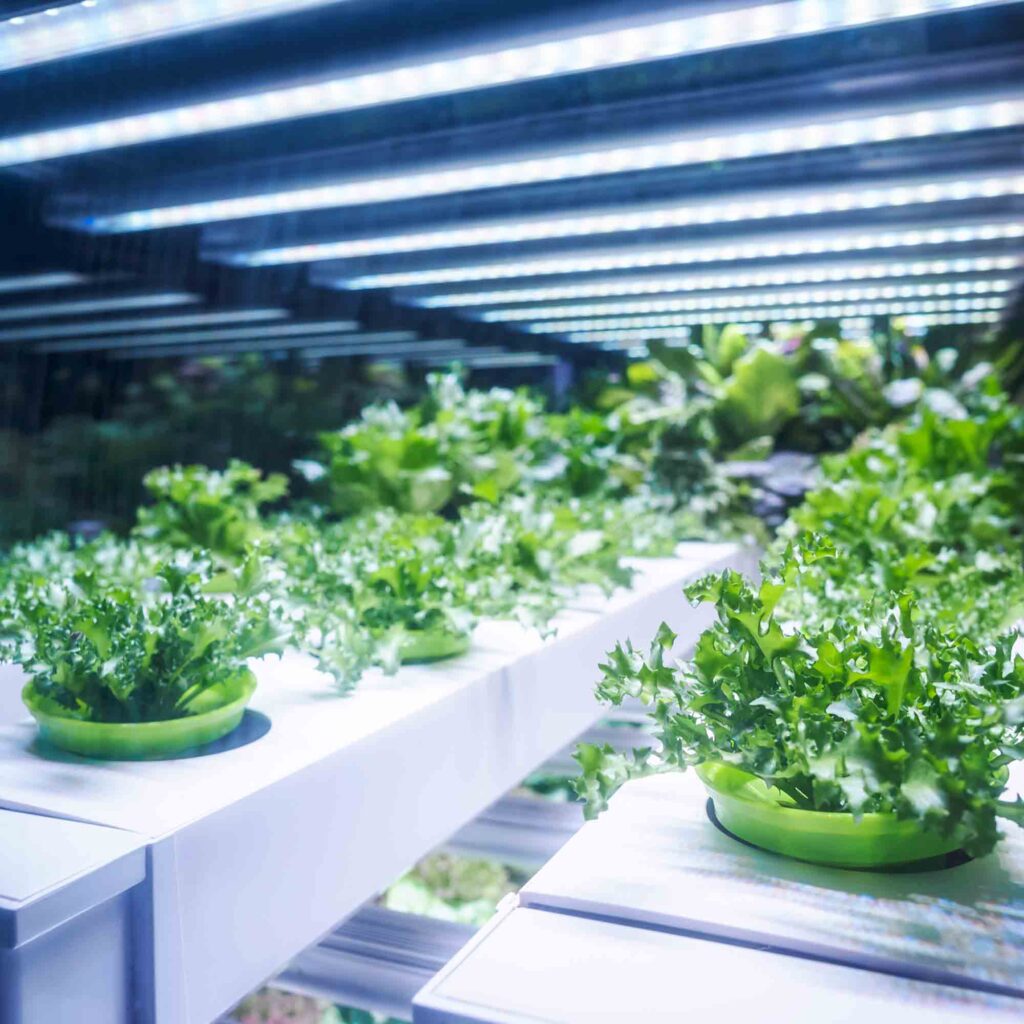
The burgeoning field of ‘plant nanobionics’ involves engineering electronic components and systems directly into plants, progressively expanding their capabilities. This innovative scientific domain effectively grants plants new, intelligent functionalities.
Professor Michael Strano, who spearheaded this research, emphasized, “Plants are very good analytical chemists.” He further elaborated, “This is a novel demonstration of how we have overcome the plant/human communication barrier.”
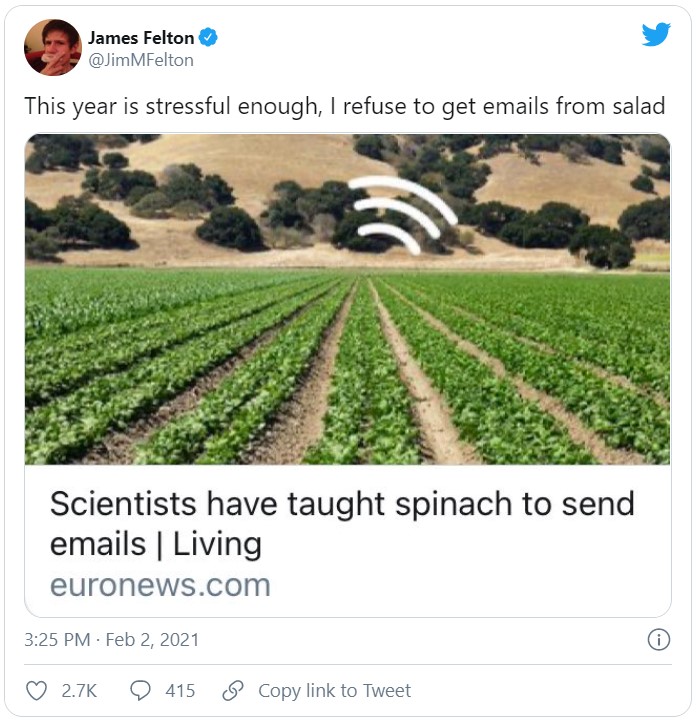
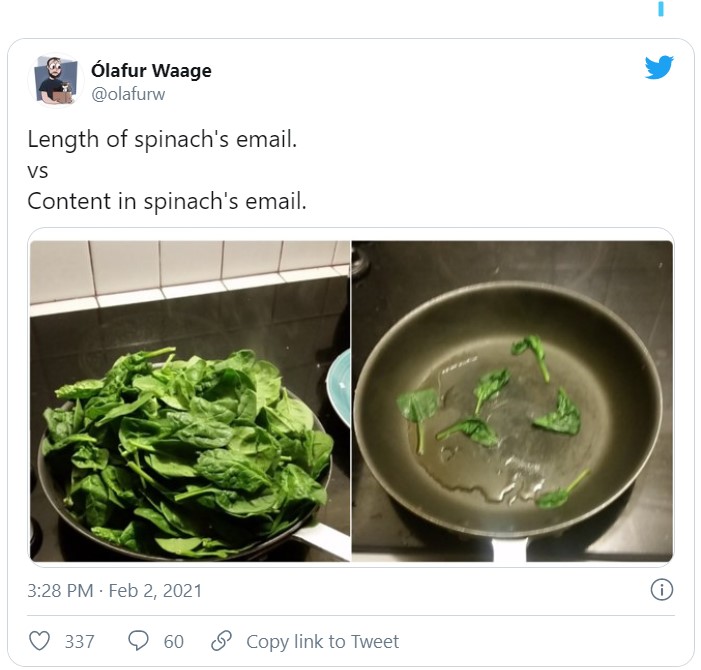
While the initial experiment findings were published in 2016, this groundbreaking research recently re-emerged in headlines, quickly capturing the interest of social media users and trending widely on platforms like Twitter.

References:
- https://www.euronews.com/living/2021/02/01/scientists-have-taught-spinach-to-send-emails-and-it-could-warn-us-about-climate-change#
- https://in.mashable.com/culture/20005/scientists-have-taught-spinach-to-send-emails-and-people-have-a-fresh-crop-of-imaginary-human-plant
- https://in.ign.com/tech/154575/news-scientists-have-taught-spinach-to-send-emails-when-they-detect-landmines
Join our community by subscribing to our Weekly Newsletter to stay updated on the latest AI updates and technologies, including the tips and how-to guides. (Also, follow us on Instagram (@inner_detail) for more updates in your feed).
(For more such interesting informational, technology and innovation stuffs, keep reading The Inner Detail).

Spot on with this write-up, I absolutely believe this web site needs a great deal
more attention. I’ll probably be returning to see more,
thanks for the advice!
Thanks for your support & glad to have you as a reader. Thank you!