

Securing employment in today’s rapidly evolving landscape has grown more challenging, significantly influenced by the COVID-19 pandemic. However, this global upheaval, alongside the world’s increasing focus on climate change, has simultaneously paved the way for numerous new job opportunities. Projections indicate that in the future, approximately one in every 20 individuals could find themselves working in one of these emerging roles.
Remote Work Facilitator: Supporting the Virtual Workforce

The “new normal” that has become prevalent since the pandemic’s onset is undeniably ‘work from home’. While initially drawing criticism concerning the lack of defined work hours, employees have now embraced this remote work model. A data survey reveals that over 50% of Indians prefer working from home, and more than 83% wish to continue working remotely for at least two days per week.
Even as post-pandemic restrictions ease, the prominence of work-from-home appears increasingly inevitable.
This shift has generated significant demand for a new professional role: the Work-from-Home Facilitator. This position is vital for ensuring that remote work arrangements satisfy both employee needs and organizational objectives efficiently.
About the Role & Responsibilities: A Work-from-Home Facilitator is primarily responsible for ensuring that every remote employee has access to and proficiency with the necessary technology to perform their work effectively.
Skills Required: This pivotal role demands a tech-savvy individual capable of overseeing organization-wide digital integration projects. Essential skills include an excellent understanding of the evolving digital technology market, particularly in VR and AR, strong interdepartmental collaboration abilities, and the capacity to evaluate, select, and manage budgets for new digital communication tools.
Cyber Calamity Forecaster: Predicting Future Digital Threats
The evident exponential growth in cyber threats highlights the increasing importance of understanding and predicting future cyber conditions. This foresight enables governments, industries, societies, and individuals to enhance their protection and build greater resilience against digital attacks.
A Cyber Calamity Forecaster’s primary responsibility involves continuously monitoring, detecting, and forecasting potential cyber threats, along with predicting their potential impact.
This role requires the ability to distinguish between highly improbable and wildly impossible cyber outliers. Forecasters must also accurately map cyber uncertainties and make precise predictions to prepare organizations for potential occurrences.
Core Responsibilities: Cyber Calamity Forecaster
Key responsibilities include conducting rapid assessments to identify potential impacts on physical infrastructure, individuals, and businesses, then recommending necessary adjustments based on advancements in cyber tactics and technologies.
Furthermore, the role involves developing and overseeing an AI-powered cyber calamity system. This system will analyze and evaluate cyber data, generate comprehensive forecast reports, and prompt essential preventative actions.
Given the critical nature of this role in preventing devastating cyber-attacks, essential skills include expertise in machine learning, statistics, or related disciplines, coupled with a strong capability to interpret complex data effectively.
Smart Home Design Manager: Crafting Connected Living Spaces

The pervasive appeal of smart home technology continues to expand, paving the way for a new role dedicated to designing interiors that seamlessly integrate these innovations. The desire for aesthetically pleasing and user-friendly connected devices throughout a home creates a significant demand for tech-aspirants who are well-versed in managing and maneuvering complex smart home systems.
Smart Home Design Managers engage directly with clients, whether remotely or in-person, to transform their vision of a smart, connected home utopia into reality. They frequently utilize cutting-edge CAD and imaging software to deliver design services to geographically diverse clients and meticulously project-manage all phases of smart-home integration throughout a residence’s production cycle.
These managers are expected to remain current with the latest technological trends in the smart home industry. They identify and implement innovative ways to integrate this technology for maximum impact, expertly blending both traditional and contemporary design styles within projects.
Given the focus on residential spaces, Smart Home Design Managers also require substantial architectural exposure and practical experience.
Vertical Farm Consultant: Revolutionizing Sustainable Agriculture
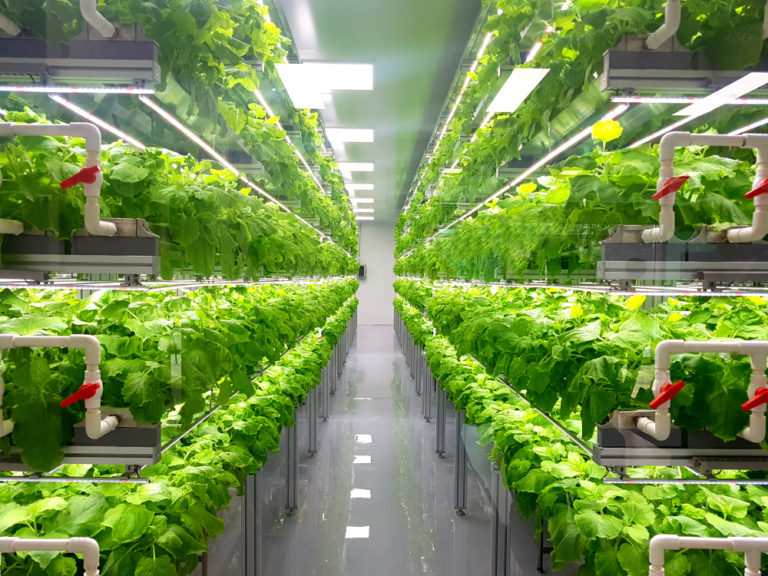
As its title implies, the role of a Vertical Farm Consultant addresses a burgeoning need. With the increasing demand for fresh agricultural goods and the pressing issue of reduced land space, vertical farming offers a viable solution. This innovative field focuses on stabilizing localized food production through aeroponic systems, cultivating food in controlled environments. This method remains unhindered by the impacts of global warming and utilizes only a fraction of the water required by traditional farms.
Consequently, vertical farming necessitates the expertise of a consultant who can democratize this technology and foster community engagement through food initiatives. Professionals in this role must possess a strong understanding of emerging technologies such as artificial intelligence (AI) and agri-tech, which are integral to successful vertical farming operations.
During recent lockdowns, many individuals explored cultivating mini-farms on their terraces. Looking ahead, future food shortages are anticipated, leading researchers to explore advanced harvesting methods. Lab-grown food and vertical farming stand out as promising frontiers in addressing this global challenge.
Business-to-Robot-to-Consumer (B2R2C) Marketing Manager
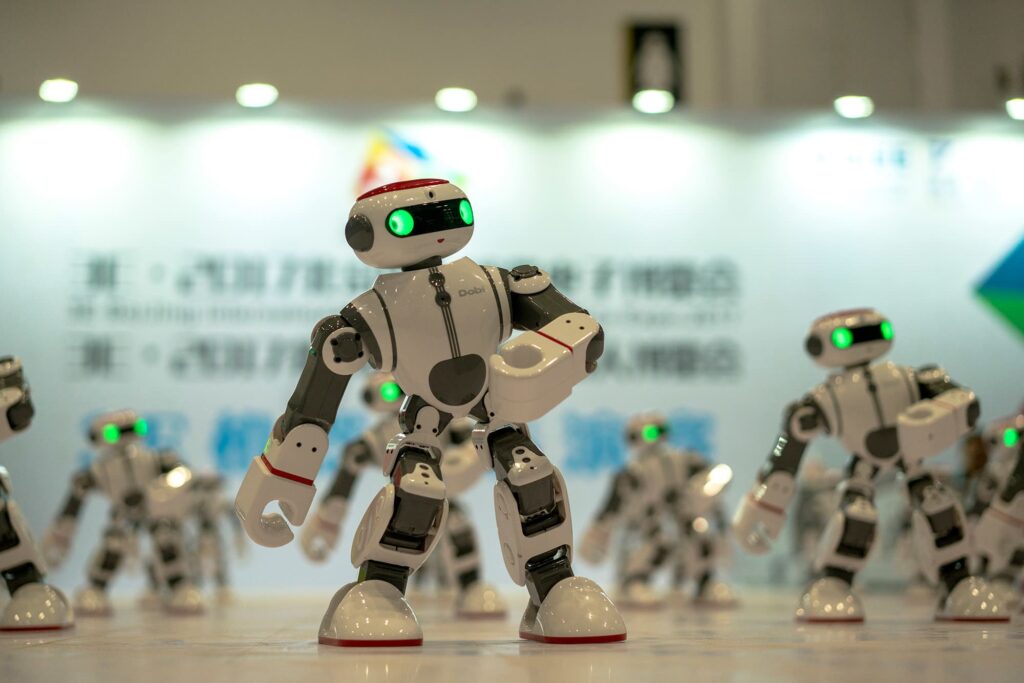
The evolution of business transaction models is giving rise to entirely new managerial positions. Business-to-Robot-to-Consumer (B2R2C) is poised to fundamentally transform how businesses connect with consumers. As described by Forbes, B2R2C represents the concept that marketing is shifting, with voice assistants, Artificial Intelligence (AI), drones, and digital avatars increasingly becoming the primary gatekeepers between brands and their target audiences.
In the near future, B2R2C Marketing Managers will strategically reach customers by leveraging robotic intermediaries. This will involve cultivating robust relationships with these “robot gatekeepers” and the companies responsible for their development. The growing significance of voice assistant robots is particularly notable.
Familiar examples like Amazon Alexa and Google Assistant have already normalized the presence of voice assistants in residential settings. Apple’s announcement at its 2020 Worldwide Developer Conference, detailing a significant overhaul for Siri, further underscores the increasing criticality of voice technology in marketing strategies.
Beyond conventional methods, companies such as Burger King, Xbox, Sony, and Microsoft are exploring advanced marketing tactics, including concepts like advertising in dreams, pushing the boundaries of consumer engagement.
Key Responsibilities: B2R2C Marketing Manager
- Oversee all new product and messaging development specifically tailored for robotic consumption.
- Cultivate and manage relationships with essential voice assistant partners.
- Contribute to the strategic development of robotic and AI marketing initiatives, driving the execution of brand marketing efforts.
Requisite skills for this role include certification in at least one major voice assistant technology, practical experience with robotics and artificial intelligence, a strong conceptual understanding of marketing principles, expertise in human-computer interaction, and a genuine passion for emerging technologies.
Virtual Couture Designer: Innovating Digital Fashion
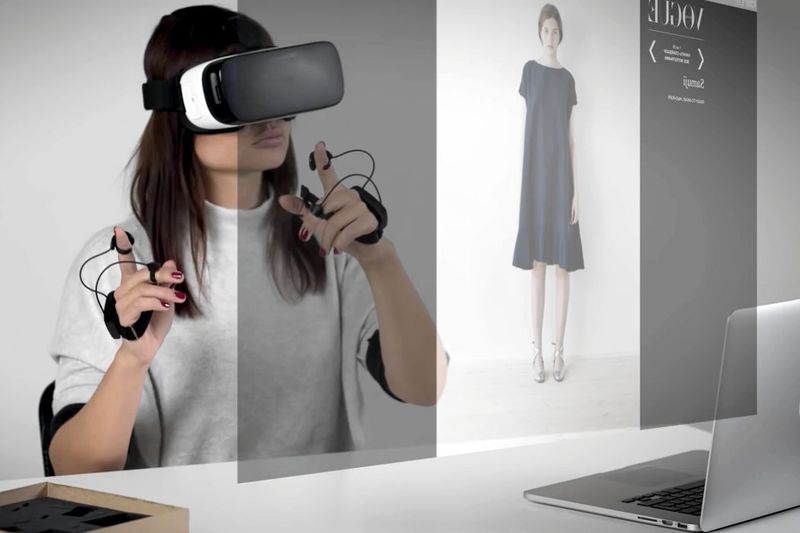
The fashion and design industry is experiencing unprecedented growth, largely fueled by platforms like TikTok and Instagram Reels, which directly engage audiences and foster a greater interest in fashion trends and personal style.
Foreseeing this digital evolution, cosmetic and beauty companies have begun leveraging virtual and augmented reality (AR) for product design, seamlessly integrated with their online business models.
Similar to IKEA’s app, which uses AR technology to help users visualize furniture in their homes, numerous companies are now showcasing clothing and wearable items that can be virtually viewed and tried on via smartphones, revolutionizing the shopping experience.
About the Role: Virtual Couture Designer
The Virtual Couture Designer will be responsible for creating groundbreaking virtual fashion designs. Companies seek individuals who possess a keen eye for fashion and thrive in collaborative team environments, crafting exquisite digital fashion collections.
This role demands a specific skill set, including a degree in human-computer interaction, graphic design, or equivalent practical experience. Certification in the Google Tiltbrush Fashion Suite is also essential, along with an inherent passion for fashion innovation.
Read this: Future of Work – Over 100 million workers may have to switch professions by 2030
Personal Brain Trainer: Enhancing Cognitive Abilities Through BCI
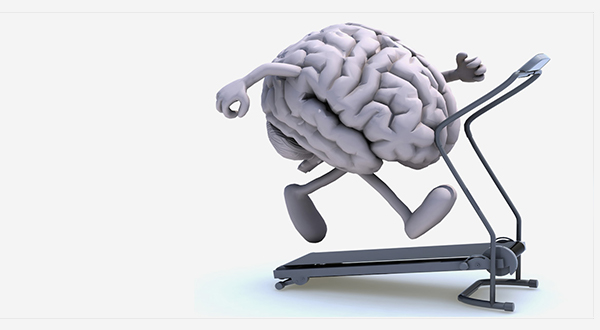
Emerging research in brain-computer interface (BCI) technology, such as Elon Musk’s Neuralink, strongly suggests its immense future value, spanning both medical and technological applications.
A recent breakthrough, demonstrating the capability of a brain-computer interface to decode “mind-written” letters from a paralyzed man onto a computer screen, has garnered significant awe and excitement among technology enthusiasts.
Given that BCI is poised to become one of the most discussed user interfaces of the future, this development paves the way for a specialized “Brain Trainer” role. These professionals will monitor and scrutinize brainwaves, formulating insightful proposals or suggestions to enhance an individual’s cognitive processes and upgrade existing thought patterns.
Critically, this role will involve assisting individuals with disabilities or unique brain challenges in learning and effectively utilizing brain-computer interfaces, empowering them to lead more fulfilling lives as they prefer.
Further illustrating the potential of this field, products like Neuroleet, a gaming headset, demonstrate the ability to analyze brainwaves. This device suggests areas for cognitive focus after identifying individual weak points from brainwave patterns, aiming to enhance overall brain power.
Key Responsibilities: Personal Brain Trainer
- Determine the optimal brain-computer interface (BCI) device tailored to each client’s specific needs.
- Provide comprehensive training and ongoing support to clients, helping them master their BCI device.
- Conduct continuous research and stay updated on new BCI technologies entering the market.
Essential Skills: Personal Brain Trainer
- A degree in Computer Science, Human-Computer Interaction, Engineering, or equivalent professional experience.
- Demonstrated working knowledge of various BCI technologies, including Neurable, NextMind, Neurosity, and CTRL-Labs.
Join our community by subscribing to our Weekly Newsletter to stay updated on the latest AI updates and technologies, including tips and how-to guides. Also, follow us on Instagram (@inner_detail) for more updates in your feed.
(For more such interesting informational, technology, and innovation content, keep reading The Inner Detail).