
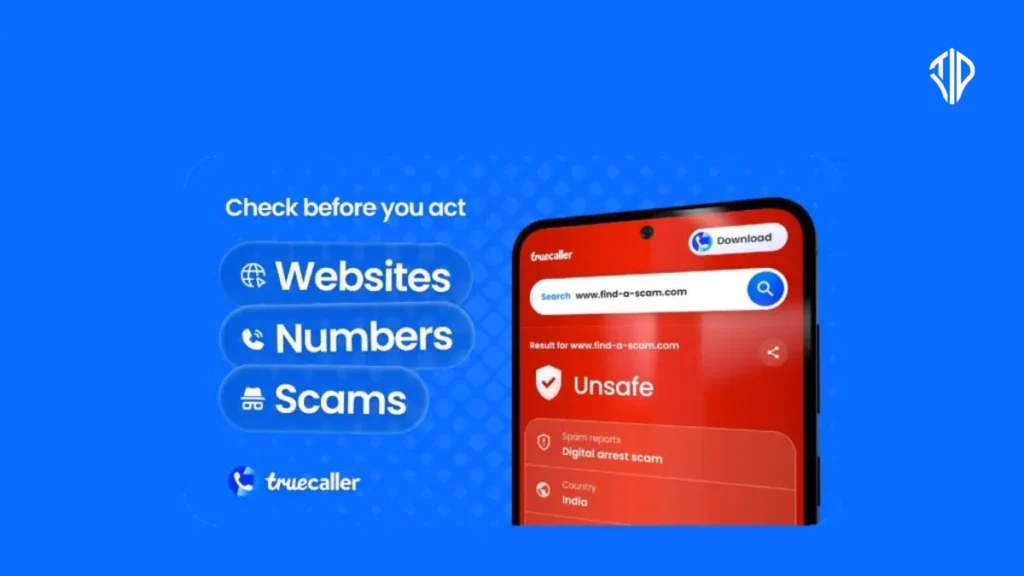
Truecaller is expanding its fraud prevention capabilities beyond its traditional smartphone application by introducing a web-based threat verification tool. As detailed in recent reporting from Techcrunch, the new utility allows internet users to vet suspicious text messages, links, and phone numbers without downloading software or creating an account.
This strategic expansion comes at a critical time for digital safety as social engineering attacks, phishing links, and deceptive messaging campaigns continue to evolve globally. By making its underlying database accessible through standard browsers, the Swedish caller identification company is positioning its accumulated fraud intelligence as a public utility for everyday internet users.
Key Takeaways
- Truecaller introduced a web-based threat verification tool called Scam Checker.
- The tool allows users to vet suspicious text messages, links, and phone numbers without downloading apps or creating accounts.
- It relies on community-driven reports from the ScamFeed ecosystem to cross-reference data against established fraud flags.
- Advanced features like specific names or organizational identities still require authentication through the traditional app.
- The expansion marks a shift from basic caller ID services toward comprehensive digital hygiene and multi-vector threat prevention.
Understanding the Scam Checker Tool
The newly introduced service, branded as Scam Checker, operates by analyzing inputs against community-driven reports gathered through Truecaller’s existing security ecosystem, known as ScamFeed. When a user submits a suspicious phone number, URL, or communication snippet, the system cross-references the data with established fraud flags and user warnings.
Unlike the core Truecaller mobile application, which relies heavily on user registration, continuous background activity, and personal contact directory access, this web implementation prioritizes frictionless accessibility. Users can simply navigate to the platform, paste the questionable data point, and receive an immediate risk assessment.
However, certain features remain partitioned behind the traditional application framework. Detailed directory records, such as specific names or organizational identities tied to a particular phone number, still require authentication through the standard app or sign-in procedures to maintain privacy standards and compliance.
The Strategic Pivot Beyond Caller ID
For over a decade, Truecaller built its brand recognition primarily around identifying incoming phone calls and blocking robocalls. This business model achieved massive scale, particularly in high-volume markets such as India, where smartphone users face millions of unsolicited communication attempts daily.
Despite this success, reliance on traditional caller ID infrastructure faces mounting challenges. Operating systems from major technology providers have increasingly integrated native spam detection and blocking features directly into mobile operating system layers.
Furthermore, regulatory shifts regarding privacy, data sharing, and user consent have forced identity platforms to diversify their service offerings.
By moving into open-web threat intelligence, the company shifts its value proposition from simple call screening to comprehensive digital hygiene. The modern scammer rarely relies solely on voice calls; instead, fraud is frequently distributed through SMS phishing, malicious messaging apps, and deceptive email links. Providing a centralized verification hub for these diverse vectors addresses a broader spectrum of daily digital threats.
Implications for Everyday Digital Safety
The democratization of threat intelligence offers tangible benefits for users who encounter suspicious web links or unknown text messages on enterprise devices, public computers, or secondary hardware where installing third-party applications is impractical. Quick verification reduces the cognitive friction that often leads individuals to click malicious links out of curiosity or urgency.
At the same time, relying on crowdsourced reporting introduces distinct moderation and accuracy challenges. Community-driven platforms must continuously filter out false positives, malicious reporting, and coordinated manipulation attempts to maintain credibility.
How effectively the underlying automated systems balance user-submitted data with verified threat intelligence will determine the long-term reliability of the open web tool.
As cybercriminals continue to automate and scale social engineering campaigns, defensive tools must similarly adapt to meet users where they are. Truecaller’s entry into open-web verification reflects a broader industry recognition that digital safety cannot remain locked inside siloed mobile applications.
Join our community by subscribing to our Weekly Newsletter to stay updated on the latest AI updates and technologies, including the tips and how-to guides.
Also, follow us on Instagram (@tid_technology) for more updates in your feed and our WhatsApp Channel to get daily news straight to your Messaging App.
