
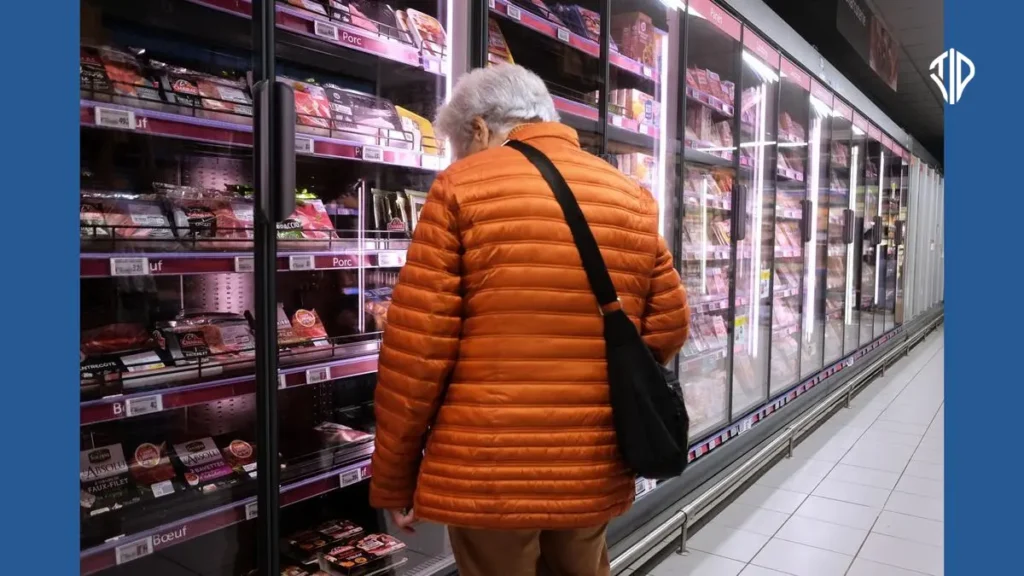
Geopolitical Cyber Operations Target Physical Infrastructure
Recent geopolitical cyber operations have crossed a troubling new threshold by targeting physical infrastructure that keeps everyday consumer goods viable. In an official government announcement, French foreign minister Jean-Noël Barrot confirmed that state-sponsored actors deliberately manipulated commercial refrigeration units across hundreds of retail locations.
The coordinated intrusion bypassed standard digital perimeters to directly control physical hardware. Attackers remotely altered temperature settings on industrial freezers, chimer cabinets, and cold storage units, causing massive financial losses through
spoiled food and triggering multiple structural fires.
Mechanics of Retail Supply Chain Vulnerabilities
Understanding the mechanics behind this cyber incident requires looking at how modern retail supply chains operate. Most commercial supermarkets rely on internet-connected industrial control systems to monitor temperatures, reduce energy consumption, and automate maintenance diagnostics.
These digital management platforms often connect directly to external networks for remote vendor servicing and telemetry reporting. Unfortunately, legacy protocols and weak credential management frequently leave these operational technology environments exposed to unauthorized external manipulation.
Investigation and Attribution: Shahid Kaveh
French cyber security investigators identified the responsible collective as Shahid Kaveh, an offensive cyber unit linked to the Islamic Republic of Iran’s Revolutionary Guards. Forensics revealed that the threat actors utilized scanning tools like FOFA to identify vulnerable endpoints exposed directly to the public internet.
The intruders specifically leveraged the Modbus industrial communications protocol operating over standard network ports to communicate directly with refrigeration controllers. This technique mirrors digital reconnaissance patterns observed in prior incidents targeting municipal water facilities and electrical grids.
Physical Consequences and Broader Threats
The physical consequences of these remote intrusions extended far beyond simple financial damage for grocery store chains. By forcefully elevating internal freezer temperatures up to 50 degrees Celsius, the hackers generated enough thermal stress to cause at least 15 separate electrical fires inside commercial retail stores.
Food spoilage alone cost retail businesses tens of millions of euros within a matter of days. Furthermore, the disruption briefly threatened critical medical supplies when connected refrigeration units servicing national blood distribution networks came under scanner probe surveillance.
Evolution of Modern Cyber Warfare
This escalation demonstrates a dangerous evolution in modern cyber warfare where physical safety and food security become direct attack vectors. Critical infrastructure protection traditionally focuses on safeguarding power grids, financial networks, and telecommunications equipment against digital espionage or ransomware encryption.
Commercial refrigeration, heating, ventilation, and air conditioning systems are rarely afforded the same rigorous monitoring standards as core enterprise servers. Consequently, threat actors view these interconnected physical appliances as soft entry points capable of creating widespread social disruption and economic panic.
Response and Defensive Measures
Governments across the European Union are now scrambling to reevaluate the security posture of everyday commercial automation hardware. French authorities have formally requested international arrest warrants, summoned diplomatic representatives, and pushed for broader economic sanctions against individuals tied to the operation.
Retail operators must urgently audit their internal networks, disconnect unverified management tools from public access, and implement strict multi-factor authentication for operational technology vendors. Protecting modern society requires securing not just computers and cloud databases, but every connected device that manages physical infrastructure.
Key Takeaways
- State-sponsored actors orchestrated cyberattacks manipulating commercial refrigeration units across hundreds of retail locations in France.
- The intrusion caused tens of millions of euros in food spoilage and triggered at least 15 separate structural fires by raising freezer temperatures up to 50 degrees Celsius.
- Attackers exploited internet-exposed industrial control systems using scanning tools like FOFA and the Modbus communications protocol.
- European Union governments are pushing for international arrest warrants, diplomatic measures, and economic sanctions against the responsible actors.
- Retailers must urgently audit internal networks, restrict public access to management tools, and implement multi-factor authentication.
Join our community by subscribing to our Weekly Newsletter to stay updated on the latest AI updates and technologies, including the tips and how-to guides.
Also, follow us on Instagram (@tid_technology) for more updates in your feed and our WhatsApp Channel to get daily news straight to your Messaging App.
