
Understanding the Novel Coronavirus (COVID-19)
For decades, human lifestyles have become increasingly sophisticated, supported by ongoing advancements in medicine and healthcare. The World Health Organization (WHO) continuously works to eradicate health issues and improve global well-being. Despite these significant efforts, a critical challenge remains: the persistent emergence of new infections and the rapid transmissibility that allows them to spread quickly, leading to increased rates of illness.
It was amidst this complex landscape that in December 2019, a new, highly transmissible virus emerged in Wuhan, China, later identified as the Novel Coronavirus. Within just two months, its rapid spread led the WHO to declare a global emergency, sparking worldwide concern. Staying informed is crucial for prevention, not panic. Let’s explore what you need to know to stay safe.
What is the Novel Coronavirus (COVID-19)?
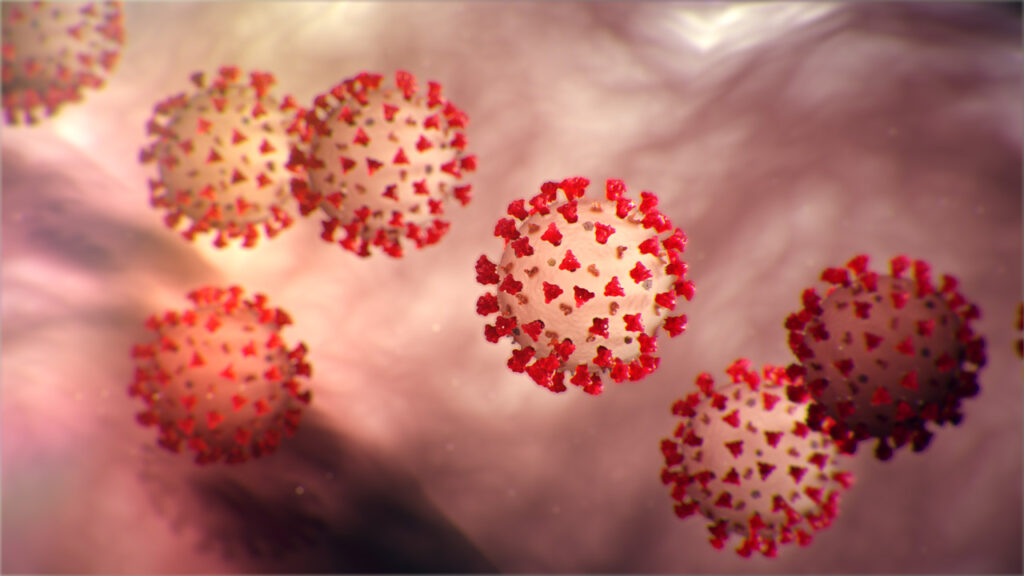
The Novel Coronavirus, also known as COVID-19, quickly became a global concern. As of July 2021, India alone had reported 3.04 crore cases and 39.5 lakh deaths attributed to the disease. Coronaviruses constitute a large family of viruses capable of causing illnesses that range from mild to severe, including previously known infections like Severe Acute Respiratory Syndrome (SARS) and Middle East Respiratory Syndrome (MERS).
The Novel Coronavirus represents a newly identified strain within this larger coronavirus family. On December 31, 2019, Chinese authorities alerted the WHO about a cluster of pneumonia cases with an unknown cause in Wuhan City. Investigations revealed that some patients had been experiencing respiratory symptoms since December 8th. Utilizing genomic testing, China was able to accurately identify 41 of the 59 suspected cases as infected with this novel virus.
Many coronaviruses are zoonotic, meaning they can be transmitted from animals to humans. Animals can carry various viruses and infections, and humans who come into close contact with them may become susceptible. This specific mode of transmission is commonly referred to as a “spillover” event.
Tracing the Origins of COVID-19
The initial cluster of pneumonia cases was identified in Wuhan, China, in December 2019. Subsequent investigations quickly revealed that these cases were caused by a previously unknown virus that had emerged in the region. This new epidemic was then officially named the Novel Coronavirus 2019. Medical researchers and scientists continue to emphasize that while knowledge evolves, current understanding guides prevention and response efforts, and the characteristics of the infection may change over time.
It’s important to note that coronaviruses are not new. The Severe Acute Respiratory Syndrome (SARS-CoV) was first identified in China in 2003, having transmitted from civet cats to humans. Another significant strain, Middle East Respiratory Syndrome (MERS-CoV), originated in Saudi Arabia in 2012, with transmission linked to camels. However, at the time this article was written, the precise origin of transmission for the Novel Coronavirus remained unknown.
Why is it Called ‘Coronavirus’?
The name ‘coronavirus’ derives from the virus’s distinctive appearance. Genetically, the virus’s core material is enveloped by a protective layer from which protein spikes protrude. When viewed under a microscope, these spikes resemble a crown, and “corona” is the Latin word for crown, hence the name Coronavirus (CoV).
Understanding COVID-19 Symptoms and Transmission
While some coronaviruses can cause gastrointestinal infections, the Novel Coronavirus primarily manifests as a respiratory infection. Symptoms of COVID-19 can vary widely, ranging from mild to life-threatening. Common mild symptoms include fever, cough, and shortness of breath, while severe cases can progress to pneumonia, kidney failure, and even death.
Transmission typically occurs through close contact with infected individuals. This can happen directly via respiratory droplets produced when an infected person coughs or sneezes, or indirectly by touching surfaces contaminated with the virus. As with many emerging respiratory infections, the precise dynamics of its spread were still being fully understood.
Early observations indicated that many individuals diagnosed with the virus had recent, frequent contact with live seafood and animals. Consequently, those at higher risk of infection included workers in live animal markets, as well as caregivers for infected individuals, such as family members and healthcare professionals.
Awareness is the greatest agent for change!
COVID-19 Diagnosis and Treatment Options
The primary method for diagnosing COVID-19 infection is the Polymerase Chain Reaction (PCR) test, which accurately identifies the virus by detecting its unique genetic fingerprint. At the time of this publication, specific official medications for treating the infection were still under development, and no vaccines had yet been produced. Research efforts for both therapeutic drugs and vaccines were actively underway.
Prevention
- Avoid close contact with individuals who are sick, as well as with animals.
- Always cover your nose and mouth when sneezing or coughing.
- Wash your hands thoroughly with decontaminating agents after sneezing, coughing, and touching animals or animal products.
- Refrain from touching your nose, eyes, and mouth with unwashed hands.
- Stay home if you are feeling unwell or sick.
“Prevention is better than Cure”!
References:
- www.who.int
- The Hindu