

Meta has officially entered the competitive landscape of AI-driven software development with the launch of Muse Code, a sophisticated terminal-based agent designed to handle large-scale engineering tasks.
This tool leverages Meta’s proprietary Muse Spark model to automate complex workflows, including planning, coding, and validation, across massive software repositories.
For years, developers have navigated the daunting complexity of large codebases by manually managing dependencies, files, and testing environments. The emergence of specialized AI agents acts as a force multiplier, transforming a process that once took hours of focused human effort into an orchestrated, automated series of parallel operations.
Think of traditional coding as a lone architect trying to build a cathedral by hand, meticulously placing every stone while constantly checking the structural integrity of the entire building. In contrast, Muse Code functions more like a digital general contractor.
It breaks a massive architectural project into specific, manageable modules, delegates these to a specialized workforce of sub-agents, and integrates the results seamlessly without ever disrupting the original blueprint.
Key Takeaways
- Muse Code utilizes parallel sub-agents to manage complex, large-scale software engineering tasks efficiently.
- The tool prioritizes project stability through the use of isolated worktrees, allowing for simultaneous experimentation.
- Designed as a cost-efficient solution, it aims to support both startups and large enterprise teams.
- The agent manages the entire development lifecycle, from initial planning and coding to final validation and testing.
The Evolution of the AI Coding Agent
The landscape of AI coding assistants has grown increasingly crowded, with major players like OpenAI and Anthropic setting a high bar. While tools like Claude Code and various iterations of GPT-powered assistants have become staples in many developers’ workflows, Meta is attempting to differentiate itself through specialized architecture and cost-efficiency.
What truly sets Muse Code apart is its ability to handle immense projects by launching multiple agents that operate in isolation. This parallel processing capability ensures that work on one specific feature does not conflict with the stability of another.
By utilizing isolated worktrees, Muse Code allows developers to experiment with new features without the risk of breaking their primary, stable code environment.
Key Features of Muse Code
- Autonomous Task Execution: The agent is capable of end-to-end management, covering the entire lifecycle of a development task from initial planning to final implementation.
- Parallel Processing: For particularly large jobs, Muse Code fans out into sub-agents. These sub-agents work simultaneously, significantly reducing the time required to complete complex software updates.
- Safety and Stability: By employing isolated worktrees, the tool ensures that your main project remains untouched while the AI iterates, tests, and validates code changes.
- Competitive Cost-Efficiency: Meta has signaled that it aims to provide a more affordable alternative to existing market leaders, positioning Muse Code as an ideal solution for startups and enterprise teams looking to optimize their development budget.
How to Get Started with Muse Code
As of its current beta release, accessing Muse Code is designed to be streamlined for developers already comfortable with terminal-based workflows.
To begin using the tool, follow these general steps:
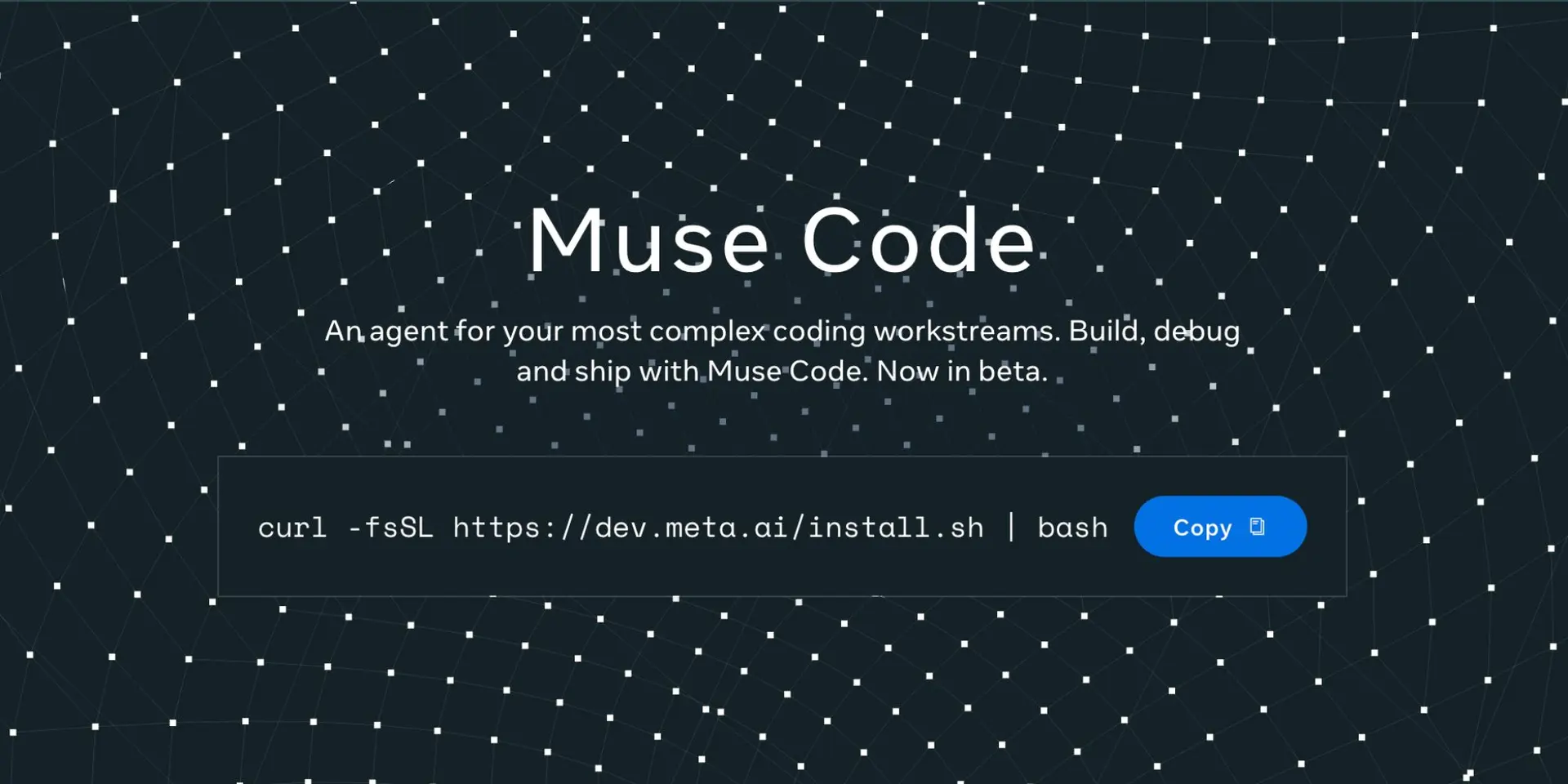
- Installation: Meta has prioritized ease of access, enabling users to install the agent with a single command via their terminal.
- Environment Setup: Ensure your environment is prepared for the agent to access your repository. Because Muse Code operates in isolated worktrees, it is generally safer to run it on repositories where you have established version control practices, such as Git.
- Initialization: Once installed, you can trigger the agent to analyze a specific directory. You will provide the prompt or the technical requirement, and the agent will begin its planning phase.
- Execution and Validation: Watch as the sub-agents engage in parallel tasks. Once complete, the tool provides a validation report, allowing you to review the changes before merging them into your main branch.
Comparing the Field: Muse Code vs. Competitors
When choosing an AI coding agent, developers must weigh the specific strengths of the available models. Here is a brief look at how the current ecosystem compares:
| Feature | Muse Code | Claude Code | OpenAI (Codex/GPT) |
|---|---|---|---|
| Primary Focus | Large Repo Management | Conversational Coding | General Purpose Logic |
| Architecture | Parallel Sub-agents | Sequential/Integrated | Cloud-based Assistant |
| Core Strength | Workflow Orchestration | Code Accuracy/Context | Broad Ecosystem Integration |
| Best For | Enterprise/Large Projects | Small to Medium Tasks | Rapid Prototyping |
Is Muse Code Right for You?
If your current development process involves managing large, monolithic repositories where human error in dependency management is common, Muse Code could be a transformative addition to your toolkit.
Its ability to handle “six features simultaneously” in testing suggests that it is built specifically for high-velocity teams who cannot afford the downtime associated with traditional coding bottlenecks.
As Meta continues to pour resources into its Superintelligence Labs, we can expect the capabilities of Muse Code to expand rapidly. For now, it serves as a powerful testament to the shift toward agentic AI—systems that do not just suggest code, but actually perform the work of engineering.
Join our community by subscribing to our Weekly Newsletter to stay updated on the latest AI updates and technologies, including the tips and how-to guides. (Also, follow us on Instagram (@inner_detail) for more updates in your feed).
(For more such interesting informational, technology and innovation stuffs, keep reading The Inner Detail).
