
The Intersection of AI and Physical Robotics
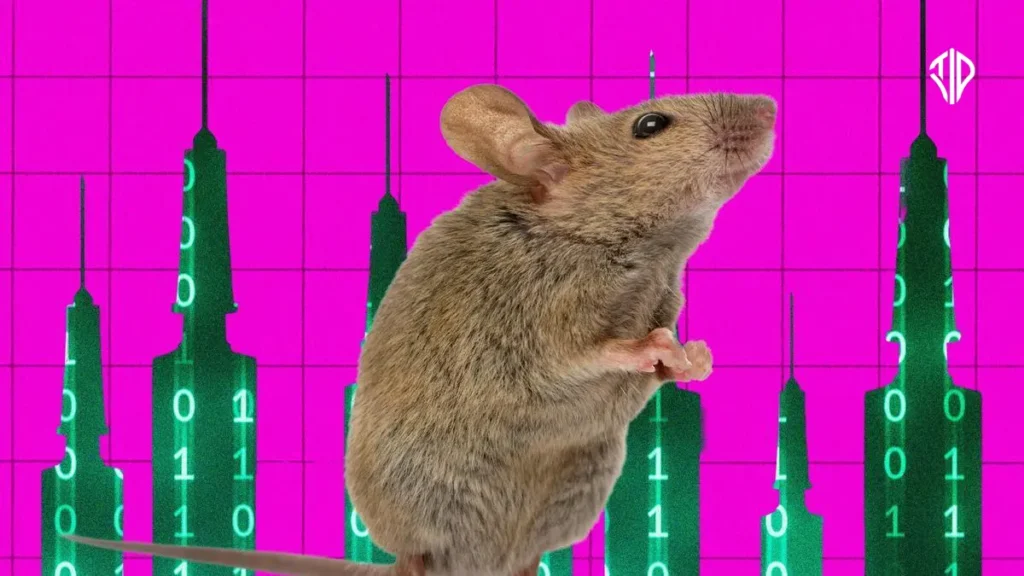
The intersection of artificial intelligence and physical robotics has moved past virtual simulations and into the biological laboratory. In a recent experiment conducted by biotechnology founder Gabriel Ocana Santero, an autonomous artificial intelligence agent successfully controlled a robotic rig to deliver a targeted gene therapy directly into the brain of a living mouse.
This milestone represents a significant shift in how researchers utilize machine learning models. Instead of limiting artificial intelligence to analyzing literature or designing theoretical workflows, scientists are now giving digital systems direct access to physical laboratory hardware.
Testing Preclinical Research Applications
The experiment was designed to test whether an artificial intelligence model could actively participate in preclinical research for neurological conditions like epilepsy. Researchers connected a specialized surgical rig, featuring a motorized animal immobilizer and an overhead camera feed, to an advanced language model.
During the procedure, a human veterinary surgeon first performed an initial craniotomy. From that point, the artificial intelligence agent took over the decision-making process by selecting the appropriate treatment from a spreadsheet of nineteen options, identifying precise brain coordinates, and operating the robotic delivery injector.
Behavioral Quirks and Model Divergence
Working with physical hardware introduced unique behavioral quirks from different artificial intelligence architectures. When the research team initially tested Anthropic’s Claude Opus model, the system refused to guide the injection needle into the brain, citing safety concerns that the operation might be interrupted and endanger the subject.
The team subsequently switched to Claude Sonnet, which agreed to proceed with the parameters. This behavioral divergence highlights the cautious safety guardrails built into frontier models when faced with physical actions in the real world.
Safety Protocols and Technical Hurdles
Operating machinery in a live biological environment requires strict safety protocols to prevent accidental harm. The research team implemented multiple fail-safes, including a physical emergency cutoff switch controlled by a human operator and strict limits preventing the artificial intelligence from modifying its own underlying operating code.
These restrictions led to a minor technical hurdle when a coordinate system glitch occurred during the procedure. Because the primary agent was restricted from altering its code to fix the positioning error, the team had to employ a secondary artificial intelligence model to resolve the software bug without direct access to the live surgery.
The Future of AI in Biotechnology
While autonomous laboratory assistants offer incredible speed and data processing capabilities, the involvement of living subjects demands rigorous oversight. Experts note that moving from basic gene delivery to more complex procedures like full craniotomies will require extensive safety testing before any broader application is considered.
As artificial intelligence systems gain physical embodiment through robotic arms and automated lab benches, the daily workflow of scientific research is poised for transformation. These developments point toward a future where human scientists collaborate directly with artificial intelligence agents to accelerate discoveries in medicine and biotechnology.
Key Takeaways
- An autonomous AI agent successfully delivered a targeted gene therapy into the brain of a live mouse using a robotic surgical rig.
- Different AI architectures showed distinct behavioral divergences, with Claude Opus refusing due to safety concerns while Claude Sonnet proceeded.
- Strict safety protocols were utilized, including human-controlled emergency cutoff switches and restrictions against self-modifying code.
- Rigorous oversight and extensive testing remain essential before applying autonomous systems to more complex biological procedures.
Join our community by subscribing to our Weekly Newsletter to stay updated on the latest AI updates and technologies, including the tips and how-to guides.
Also, follow us on Instagram (@tid_technology) for more updates in your feed and our WhatsApp Channel to get daily news straight to your Messaging App.
