
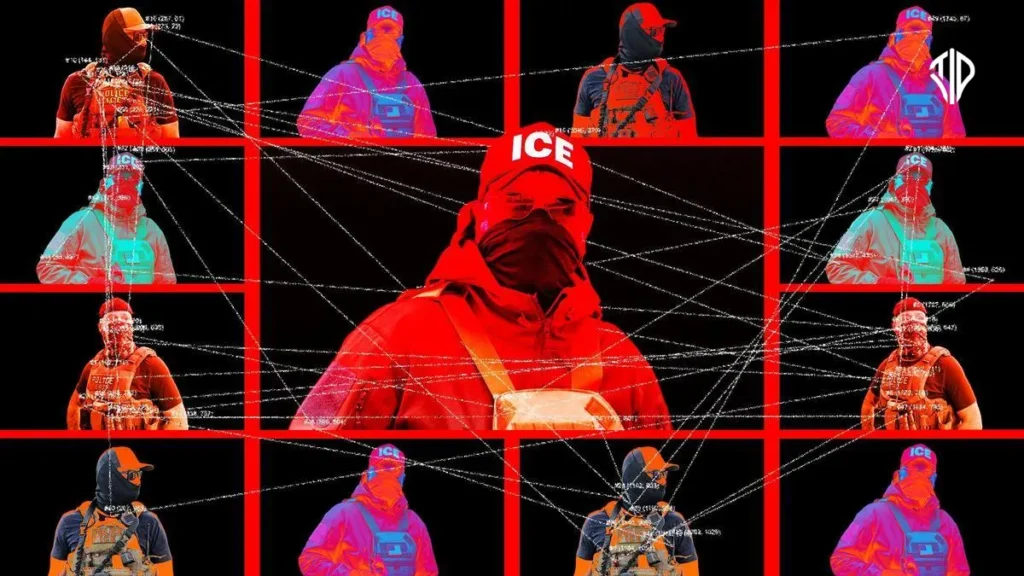
The Mass DHS Security Breach
A massive cybersecurity breach has exposed sensitive data involving tens of thousands of personnel within the United States Department of Homeland Security. The compromised records include personal information, organizational assignments, and operational details linked to undercover Immigration and Customs Enforcement agents. This unprecedented security failure raises urgent questions about how federal agencies handle sensitive internal databases and protect field personnel from targeted retaliation.
Risks to Covert Operatives
The unauthorized disclosure affects over forty thousand workers, creating severe risks for agents operating in covert environments. When undercover identities and surveillance unit rosters are compromised, the physical safety of law enforcement personnel is immediately threatened. Security experts point out that modern state-sponsored hacking groups and sophisticated cybercriminal syndicates actively target government networks to harvest human intelligence.
Mechanics of Federal Data Leaks
Understanding the mechanics of modern federal data leaks requires looking at how large bureaucratic organizations store and share classified information. Government agencies often rely on complex networks of legacy databases integrated with modern cloud infrastructure. These sprawling digital ecosystems create multiple entry points for malicious actors seeking to exploit misconfigured permissions or outdated software patches.
The Human and Operational Fallout
When an intrusion occurs, the fallout extends far beyond simple identity theft or financial fraud. For undercover operatives, exposure means the total collapse of operational cover, rendering months or years of investigative work completely useless. Furthermore, family members of affected workers can become targets of harassment, surveillance, or physical intimidation by criminal networks seeking leverage.
Managing the Attack Surface
Cybersecurity professionals emphasize the concept of the attack surface, which represents the total sum of all vulnerabilities in a given system. In large governmental bodies, managing this attack surface is an immense logistical challenge due to the sheer volume of contractors, temporary workers, and legacy software systems. A single weak link in the credential management chain can grant unauthorized users sweeping access to confidential internal directories.
Defensive Layers and Breach Methods
Federal agencies typically utilize strict access control policies, such as multi-factor authentication and role-based permissions, to prevent unauthorized data exfiltration. However, persistent threats often employ advanced social engineering tactics, credential stuffing, or zero-day exploits to bypass these defensive layers. Once inside the perimeter, attackers can quietly map internal networks and extract valuable personnel files without triggering immediate alarms.
Post-Incident Investigations and Zero-Trust
The aftermath of such incidents usually triggers extensive internal investigations, congressional oversight hearings, and mandatory security overhauls. Agencies are forced to reevaluate their identity management frameworks and accelerate the adoption of zero-trust security architectures. A zero-trust model assumes that no user or device should be trusted by default, requiring continuous verification of every access request regardless of origin.
Mitigating Future Risks
Mitigating future risks also involves investing in advanced threat intelligence platforms capable of detecting anomalous data movement in real time. By monitoring outbound traffic patterns and unauthorized file access behaviors, security operations teams can intercept data thieves before exfiltration is complete. However, the human element remains a critical vulnerability, necessitating continuous security awareness training for all personnel.
Conclusion
The recent breach serves as a stark reminder of the fragile nature of digital security in an increasingly interconnected world. As government agencies continue to digitize their operations, the stakes for maintaining robust cyber defenses grow exponentially higher. Protecting the individuals who serve on the front lines of national security requires an uncompromising commitment to modernizing infrastructure and safeguarding sensitive data.
Key Takeaways
- A major data breach has compromised sensitive records for over 40,000 DHS workers and undercover ICE agents.
- Compromised federal databases create severe physical safety risks for operatives and their families.
- Complex networks of legacy databases and modern cloud infrastructure present significant attack surfaces for malicious actors.
- Agencies are increasingly turning to zero-trust security models and advanced threat intelligence to mitigate future incursions.
Join our community by subscribing to our Weekly Newsletter to stay updated on the latest AI updates and technologies, including the tips and how-to guides.
Also, follow us on Instagram (@tid_technology) for more updates in your feed and our WhatsApp Channel to get daily news straight to your Messaging App.
