
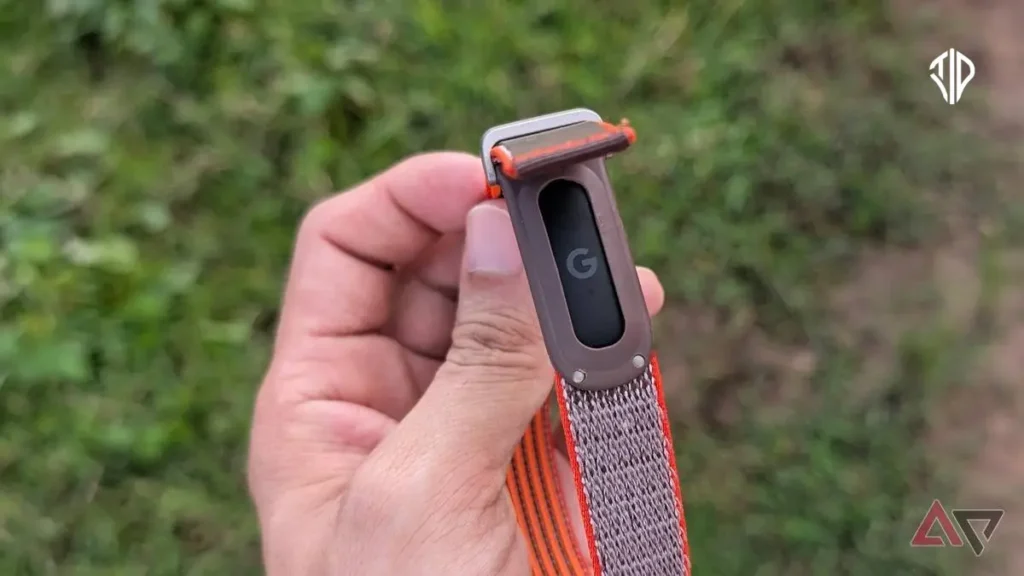
The Appeal of Screenless Fitness Trackers
Minimalist fitness trackers are designed to help users disconnect from constant digital interruptions. Devices without screens encourage a healthier relationship with technology by reducing screen time and compulsive checking habits. According to recent reports, hardware manufacturers often take this philosophy too far by stripping out basic functionality like subtle haptic alerts.
The Fitbit Air stands out as a unique screenless wearable focused entirely on passive health tracking. Without a visual display, users do not have to worry about answering emails or reading social media updates on their wrists.
The Limitation of Missing Haptic Alerts
This design choice introduces a frustrating limitation for everyday convenience. The tracker includes a built-in vibration motor, but the manufacturer restricts its usage strictly to silent alarms.
Users cannot configure the device to buzz for incoming phone calls, urgent family messages, or important work chats. When a phone rests inside a bag or charges in another room, owners are left completely in the dark.
Bridging the Gap with Third-Party Software
Bridging the gap between a silent wearable and missed urgent calls requires clever software solutions. Because the manufacturer limits official settings, a developer recently created a third-party application to solve this exact dilemma.
The utility application connects via Bluetooth to communicate directly with the fitness band. It allows Android users to program custom vibration patterns and intensity levels for specific contacts and applications.
Owners can select critical communication channels like messaging software or direct phone calls while keeping unwanted social media notifications blocked. This selective filtering preserves the core distraction-free philosophy of the hardware.
Custom haptic patterns ensure that a gentle pulse from a family member feels different than an alert from a workplace chat. Users no longer need to guess if a phone call requires immediate attention or if a message can wait.
Google Play Protect might flag the sideloaded utility because of platform restrictions on modern Android operating systems. Users who prefer open software flexibility can bypass these warnings manually to install the custom pairing tool.
Minimalist technology works best when it adapts to personal boundaries instead of enforcing strict limitations. Empowering users to choose what deserves their attention makes screenless wearables significantly more practical for daily life.
Key Takeaways
- Screenless fitness trackers reduce digital interruptions and promote healthier technology habits.
- The Fitbit Air lacks default notification support for calls and messages, limiting its everyday convenience.
- A newly developed third-party application allows Android users to program custom vibration patterns and intensity levels.
- Users can selectively filter important contacts and apps while keeping distracting social media alerts blocked.
- Empowering users with customizable haptic controls makes minimalist wearables much more practical for daily use.
Join our community by subscribing to our Weekly Newsletter to stay updated on the latest AI updates and technologies, including the tips and how-to guides.
(Also, follow us on Instagram (@tid_technology) for more updates in your feed and our WhatsApp Channel to get daily news straight to your Messaging App).
