
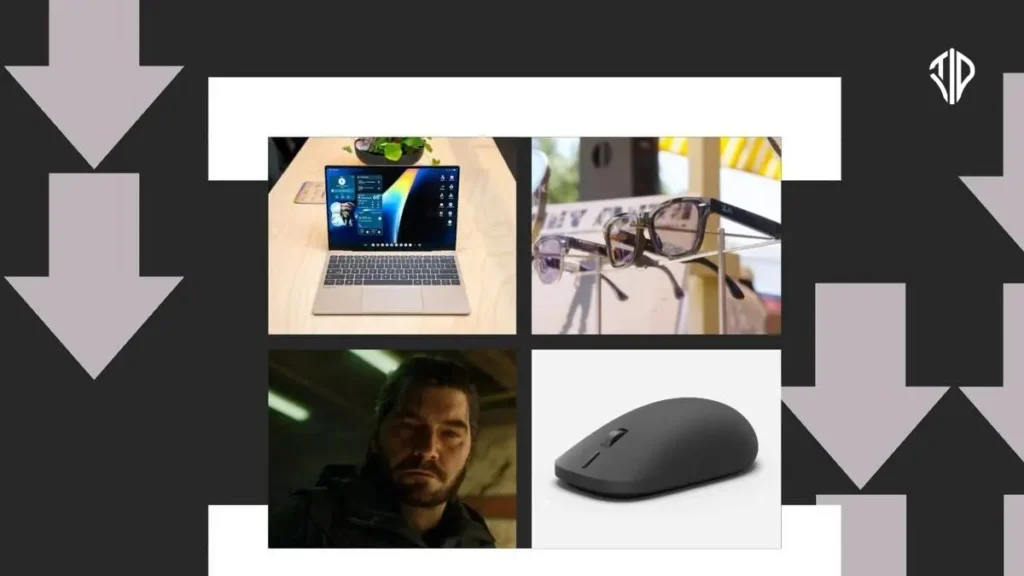
The intersection of mobile operating systems and desktop hardware has long been a tricky puzzle for technology giants. According to recent reports, Google is stepping up its efforts to solve this hardware integration challenge with a fresh initiative centered around the newly detailed Googlebooks laptop lineup. Designed to offer a cohesive experience for users heavily invested in Android smartphones, these upcoming machines represent a major strategic shift in how portable computers interact with pocket-sized devices.
What sets this hardware rollout apart from past experimental attempts is a strong emphasis on long-term device viability. Google has announced that these machines will receive an impressive ten years of continuous software updates, signaling a serious commitment to platform stability and consumer trust. The initial wave of hardware manufacturing involves several major PC brands, ensuring that consumers will have immediate access to diverse form factors right out of the gate.
Decoding the Googlebooks Strategy
The core philosophy behind the Googlebooks project revolves around friction-free ecosystem synergy. While Chromebooks carved out a massive niche in education and budget-conscious markets, the Googlebooks initiative appears aimed at users who demand high-level integration between their mobile phone applications and their primary workstations.
By streamlining file transfers, notification mirroring, and app continuation, Google is attempting to replicate the seamless handoff experiences found in competing closed ecosystems. The pledge of a decade-long update cycle addresses a major pain point in the consumer electronics industry, where laptops often become obsolete long before their physical components wear out. This extended lifecycle not only benefits individual buyers seeking sustainable technology investments but also points toward a broader industry trend of reducing electronic waste through prolonged software maintenance.
Hardware Partners and Market Availability
The success of any new platform depends heavily on hardware diversity and manufacturing muscle. The first generation of these devices will be brought to market through partnerships with established industry heavyweights including Acer, Asus, Dell, HP, and Lenovo.
Involving these legacy PC manufacturers ensures that the physical build quality, keyboard ergonomics, and display options will cater to a wide array of professional and personal preferences. Rather than relying on a single reference design, the ecosystem will feature varying price points and form factors, ranging from ultra-portable units suited for frequent travelers to larger performance configurations designed for multi-tasking desk environments.
Implications for the Broader Computing Landscape
The introduction of Googlebooks arrives at a fascinating time for consumer technology. As processors become more power-efficient and cloud infrastructure continues to mature, the traditional boundaries separating mobile chips from desktop computing architectures are blurring.
Consumers increasingly expect their devices to work in tandem without requiring cumbersome cable syncs or third-party workarounds. If Google can successfully deliver on its hardware promises and maintain software fluidity over the ten-year support window, it could redefine consumer expectations for how long a portable computer should remain functional and secure.
Key Takeaways
- Googlebooks is a new laptop initiative designed for deep Android smartphone integration.
- Devices will feature an impressive ten-year software support window for enhanced longevity.
- Major hardware partners include Acer, Asus, Dell, HP, and Lenovo to provide diverse form factors.
- The initiative aims to bridge mobile and desktop workflows through seamless ecosystem synergy.
Join our community by subscribing to our Weekly Newsletter to stay updated on the latest AI updates and technologies, including the tips and how-to guides.
(Also, follow us on Instagram (@tid_technology) for more updates in your feed and our WhatsApp Channel to get daily news straight to your Messaging App).
