
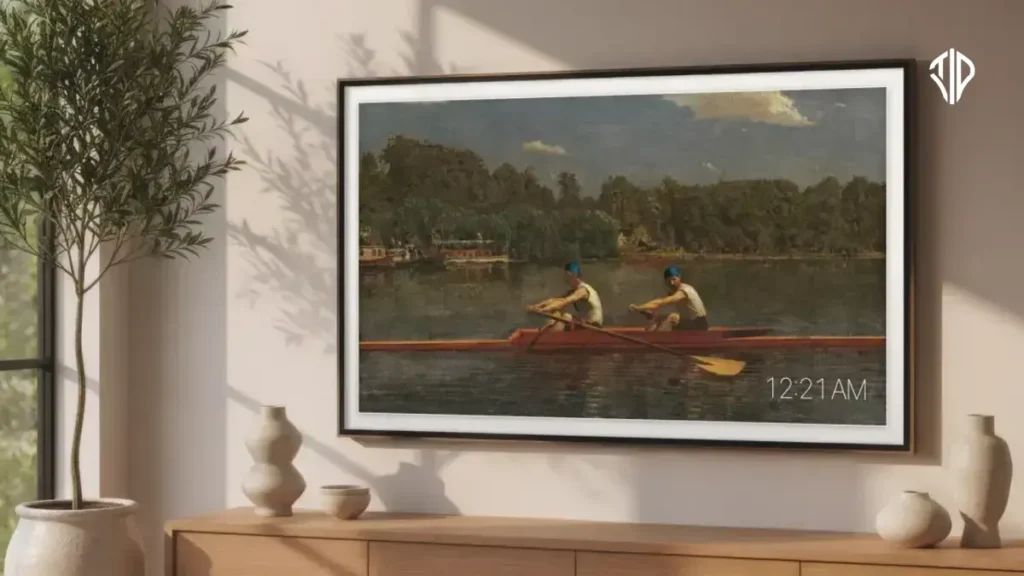
Modern smart televisions often spend a significant portion of their day sitting completely idle, consuming power while displaying nothing more than blank dark glass or generic screensavers. While dedicated hardware solutions like lifestyle picture frame displays have grown increasingly popular, they frequently lock essential features behind recurring monthly fees or restrictive proprietary operating systems. Addressing this consumer frustration, a new indie app called Salon allows users to repurpose their existing streaming hardware into a dynamic fine art display. Developers and everyday users are utilizing tools like this to maximize the utility of their home entertainment systems, as detailed in recent indie app showcases.
The software was conceived by independent developer Rene out of direct dissatisfaction with the software experience and monetization strategies found on competing smart frame televisions. Many mainstream display frames require ongoing subscriptions to access classic painting collections or advanced scheduling settings, turning a one-time hardware purchase into a persistent monthly expense. By shifting the art frame concept to the tvOS ecosystem, users who already own streaming hardware can bypass these proprietary fees entirely. This approach highlights a broader trend in consumer technology where software layers empower existing devices to perform specialized tasks without requiring expensive hardware upgrades.
At its core, the application provides access to over one thousand hand-picked classical paintings sourced from open-access museum archives around the world. Users can browse these historical masterpieces and configure their displays to cycle through famous works of art at custom intervals throughout the day. Beyond public domain art, the software also integrates deeply with Apple’s ecosystem, allowing individuals to showcase personal photo libraries directly from iCloud. Customization settings enable viewers to choose between edge-to-edge photography or traditional matted frames, alongside optional minimalist clock and date widgets for added utility.
Developing for tvOS presents a unique set of challenges compared to iOS or macOS, largely due to the historically limited market for independent software on living room displays. While media streaming applications dominate the platform, ambient and utility software remains relatively scarce outside of default fireplace or aquarium loops. The launch of independent tools demonstrates that the platform can support creative productivity and lifestyle applications just as effectively as traditional mobile environments. This developer-driven creativity brings much-needed diversity to living room hardware interfaces that are often crowded with heavy corporate advertising and recommendation engines.
Technical Requirements and Availability
Deploying an ambient art display requires careful hardware consideration to prevent screen burn-in and manage long-term energy consumption efficiently. Modern OLED and QLED panels handle static imagery much better than older generation displays, but users should still configure proper sleep timers to power down the TV when rooms are unoccupied. The application is designed to run natively on compatible streaming hardware running recent versions of the operating system.
- Operating System: Compatible with hardware running tvOS 17 and later.
- Art Sources: Includes over 1,000 open-access museum paintings and personal iCloud photo syncing.
- Display Options: Supports edge-to-edge layouts, customizable picture borders, and optional clock overlays.
- Pricing Model: Available as a one-time purchase on the App Store without recurring subscription fees.
The Broader Impact of Indie Development on Smart Home Displays
The popularity of specialized utility applications reflects a growing consumer desire for modular technology over locked-down ecosystems. When hardware manufacturers attempt to monetize basic aesthetic features through software paywalls, independent developers frequently step in to restore user choice and digital autonomy. This dynamic fosters a healthier software marketplace where utility is driven by user needs rather than corporate subscription quotas.
For households looking to enhance their living spaces without investing in secondary specialized screens, utilizing existing streaming boxes offers a practical and economical solution. As independent creators continue to explore the untapped potential of ambient display platforms, living room hardware is becoming far more versatile. Projects like this prove that thoughtful software design can bridge the gap between expensive specialty electronics and everyday consumer hardware.
Key Takeaways
- Salon turns existing Apple TV and tvOS streaming hardware into an ambient fine art display without monthly fees.
- The app features over 1,000 classical paintings from open-access museums alongside iCloud photo syncing and customization tools.
- Independent development provides a viable alternative to subscription-locked smart frames and bloated living room interfaces.
- Proper hardware management, such as OLED burn-in prevention and sleep timers, ensures long-term display safety.
Join our community by subscribing to our Weekly Newsletter to stay updated on the latest AI updates and technologies, including the tips and how-to guides.
(Also, follow us on Instagram (@tid_technology) for more updates in your feed and our WhatsApp Channel to get daily news straight to your Messaging App).
