
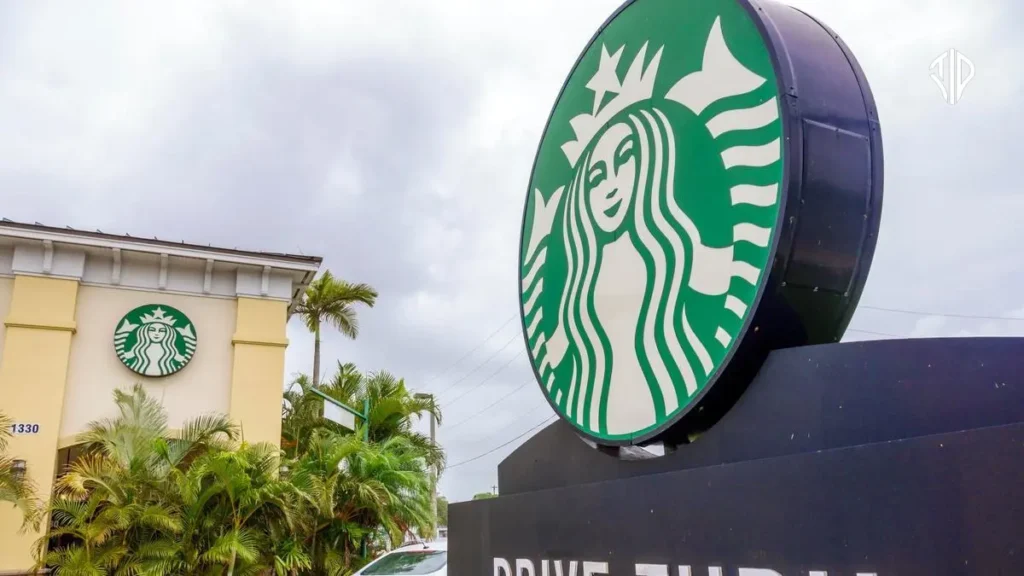
Major fast-food and beverage chains are turning to artificial intelligence to completely reinvent the traditional drive-thru lane. According to recent industry reports, coffee giant Starbucks plans to explore computer vision and machine learning technologies to recognize participating customers upon arrival. The system will dynamically adjust digital displays to show tailored menu options and simplify payment processing.
This shift moves automated ordering beyond basic voice recognition chatbots and introduces predictive retail experiences to everyday dining. By identifying vehicles as they pull up, brands hope to reduce wait times and offer bespoke recommendations based on past purchase history and time of day.
Understanding the Technology Behind Drive-Thru AI
The underlying technology relies on a combination of automatic license plate recognition, loyalty program integration, and edge computing. When a vehicle approaches the speaker box, optical sensors or cameras scan the environment to match the vehicle or driver against a secure opt-in database of registered loyalty members.
Edge computing hardware processes this data locally at the restaurant level to minimize latency. This ensures that the digital display board updates with relevant offers and saved favorite items within milliseconds of the car stopping.
Industry-Wide Adoption and Competitor Strategies
Starbucks is not alone in testing these physical-digital hybrid systems in the quick-service restaurant sector. Taco Bell has similarly experimented with intelligent digital menu boards capable of altering layouts, promotional content, and visual designs on a car-by-car basis.
Meanwhile, McDonald’s has piloted its proprietary ArchIQ chatbot system across select locations. This technology aims to identify repeat visitors and streamline the reordering process for customers looking to grab their usual items quickly.
Operational Benefits for Staff and Baristas
Beyond customer-facing menu adjustments, the integration of artificial intelligence extends to internal store operations. Starting soon, participating locations plan to test background machine learning models designed to assist employees with order entry.
These systems analyze conversational audio between the customer and the speaker to help baristas input complex customization requests accurately and efficiently. By reducing manual data entry errors, kitchen and counter staff can focus on food and beverage preparation.
Privacy Concerns and Consumer Adoption
The deployment of automated recognition technology at drive-thrus naturally raises questions regarding digital privacy and data collection. Industry analysts note that participating in these personalized experiences will likely remain strictly voluntary through loyalty apps.
Consumers who choose to opt out will still receive standard menus without tracking identifiers. Companies must balance the convenience of hyper-personalization with transparent data usage policies to maintain consumer trust.
Future Outlook for Conversational Commerce
Looking ahead, quick-service brands are evaluating more advanced agentic and conversational AI tools. Integrating these capabilities into mobile applications and ordering kiosks points toward a unified commerce ecosystem where ordering a custom coffee is as seamless as interacting with an intelligent assistant.
As these pilots expand out of test environments, the traditional static menu board is quickly becoming an artifact of the past. Technology-driven customization is set to redefine how millions of consumers interact with their favorite brands every single day.
Key Takeaways
- Starbucks and other chains are introducing computer vision to identify customers at drive-thrus and display personalized menus.
- Technologies like edge computing and automated license plate recognition help reduce latency and streamline order processing.
- Internal store operations benefit from machine learning audio analysis that assists baristas with complex order entry.
- Personalization features remain optional via loyalty apps to address digital privacy and consumer data concerns.
Join our community by subscribing to our Weekly Newsletter to stay updated on the latest AI updates and technologies, including the tips and how-to guides.
(Also, follow us on Instagram (@tid_technology) for more updates in your feed and our WhatsApp Channel to get daily news straight to your Messaging App).
