
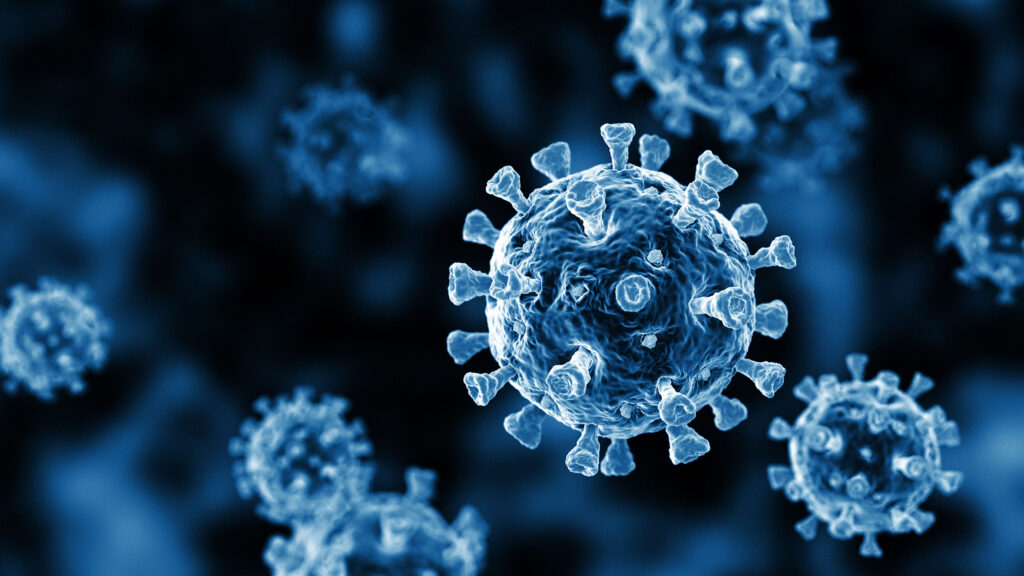
Understanding the COVID-19 Virus: Origins and Symptoms
COVID-19, a highly contagious virus, marks the third significant case within the coronavirus family. Initially identified in Wuhan, China, this novel pathogen rapidly expanded its reach across the globe. Coronaviruses are typically zoonotic, indicating their origin in animals. Individuals affected by COVID-19 commonly experienced symptoms such as cold, sore throat, and dry cough, which could progress to fever, respiratory distress, and body aches. Without proper medical attention, severe cases could unfortunately lead to fatalities.
On December 31, 2019, China officially notified the World Health Organization (WHO) about unexplained pneumonia cases emerging in Wuhan City. Investigations revealed that some patients had been experiencing respiratory illnesses since as early as December 8. Through advanced genomic testing, China was able to accurately identify 41 out of 59 suspected cases as infections from this novel coronavirus. The virus’s unchecked and swift propagation subsequently facilitated its global dissemination.
For more detailed information about the COVID-19 virus, click here.
Global Impact of COVID-19: Cases and Challenges
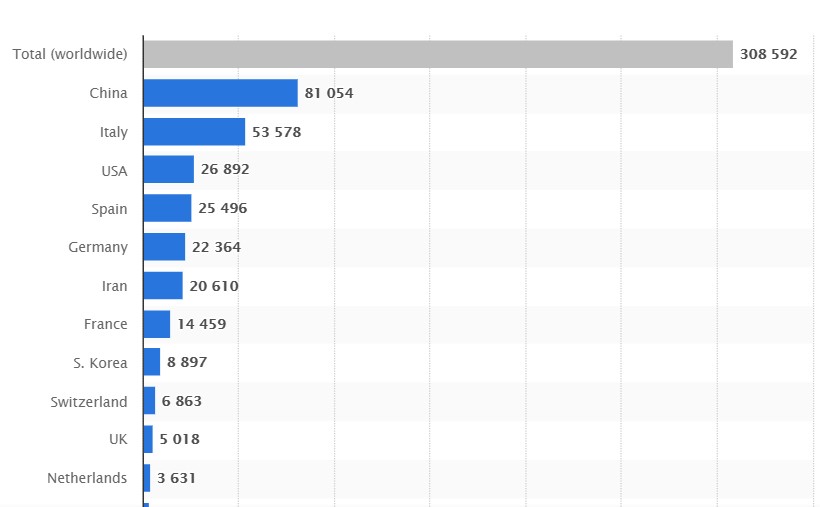
As of March 16th, China had reported 81,000 confirmed positive cases, while the rest of the world accounted for 230,000 cases, with numbers rapidly escalating. Globally, the pandemic had tragically resulted in 13,642 deaths, including 3,261 fatalities within China. The highly contagious nature of the virus meant it had spread to 57 countries, leading to over 310,000 total cases.
To combat this unprecedented outbreak, China operated tirelessly around the clock. However, challenges arose due to limited medical personnel and healthcare facilities. This scarcity necessitated a pragmatic approach to patient treatment, prioritizing individuals based on their recovery potential, age, immune response, and disease severity. While such decisions were difficult, these immediate actions aimed to maximize the number of recovered patients, leading to 72,440 successful recoveries in China.
Following China, other significantly impacted countries included Italy, Iran, Spain, and Germany. At that time, India had reported 360 affected cases and 7 deaths.
Italy’s Vulnerability to the COVID-19 Pandemic
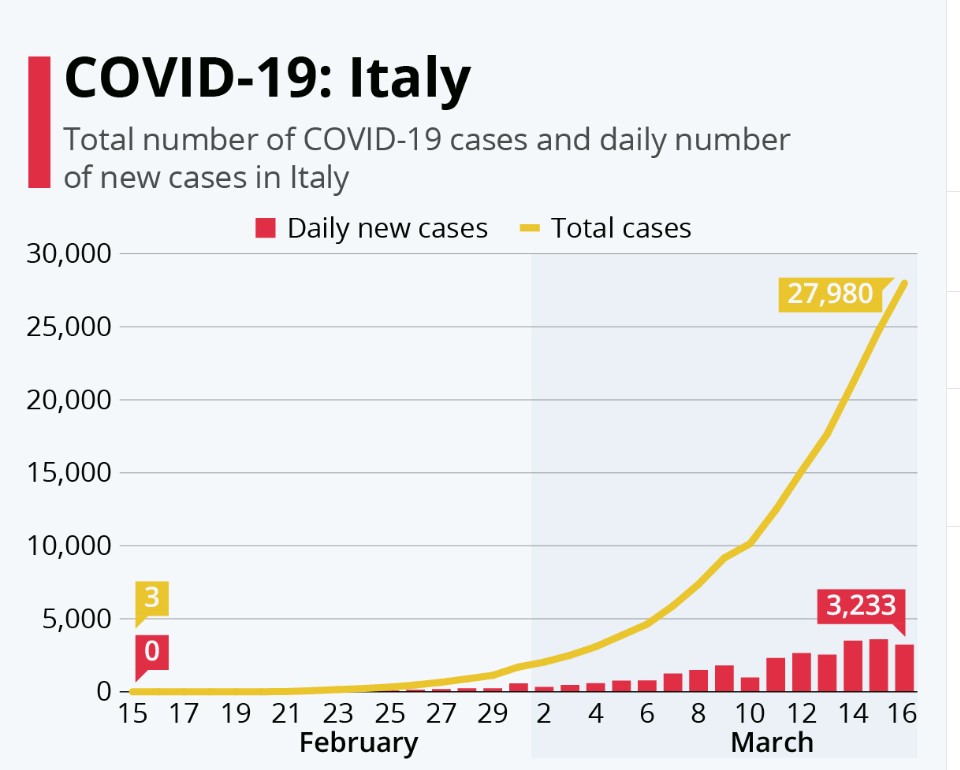
Italy emerged as the second most severely affected nation after China, reporting 53,578 positive cases and 4,825 deaths within just four weeks. What factors contributed to Italy’s rapid escalation of the COVID-19 crisis? Let’s delve into the timeline.
In the second week of February, only three positive cases were initially confirmed. By the third week, the virus’s reach had expanded into the hundreds. As positive cases rapidly increased, the Italian government advised residents in specific regions to self-isolate at home. However, widespread public gatherings often continued, allowing the virus to infect approximately one-fourth of the country’s population. By the first week of March, public venues, including theaters and pubs, were mandated to close. When individuals from the heavily affected quarter then traveled to other parts of the country, the pandemic’s contagion rapidly unfurled nationwide, impacting a vast number of people and leading to widespread business shutdowns. To enforce control measures, the government implemented strict fines for individuals found on roads or in public areas without valid reason. By the second week of March, obtaining written government permission became necessary for any essential outdoor activity.
Faced with a critical shortage of doctors and medical personnel, Italy sought assistance from China and India. Officials from these three nations collaborated to manage the crisis and restore normalcy. The public’s initial underestimation of the pandemic’s spread significantly contributed to the country’s immense suffering.
We continue to hope for the best outcomes.
Global Economic and Societal Impact of COVID-19
The novel coronavirus outbreak compelled the world to pause. Public spaces faced stringent restrictions, with malls and shops closing, and many offices transitioning to remote work. To mitigate crowding, religious institutions and educational facilities adopted online services. Fears among employers regarding crowded workplaces led to temporary closures of factories and industries, including Europe’s largest car manufacturer. In essence, much of the global economy experienced an unprecedented shutdown.
Financial markets witnessed a significant downturn as stocks lost buyers. National governments implemented extensive international flight restrictions. Schools and colleges in areas affected by the virus were ordered to remain closed, initially until March 31st. These widespread measures collectively resulted in a temporary, but profound, global business shutdown.
In a display of international cooperation, China and India dispatched medical personnel and provided hospital facilities to aid treatment efforts in Iran, Italy, and Spain. Both nations demonstrated effectiveness in patient care, with India notably employing anti-HIV drugs as part of its treatment protocols.
Essential Preventive Measures Against COVID-19 Spread
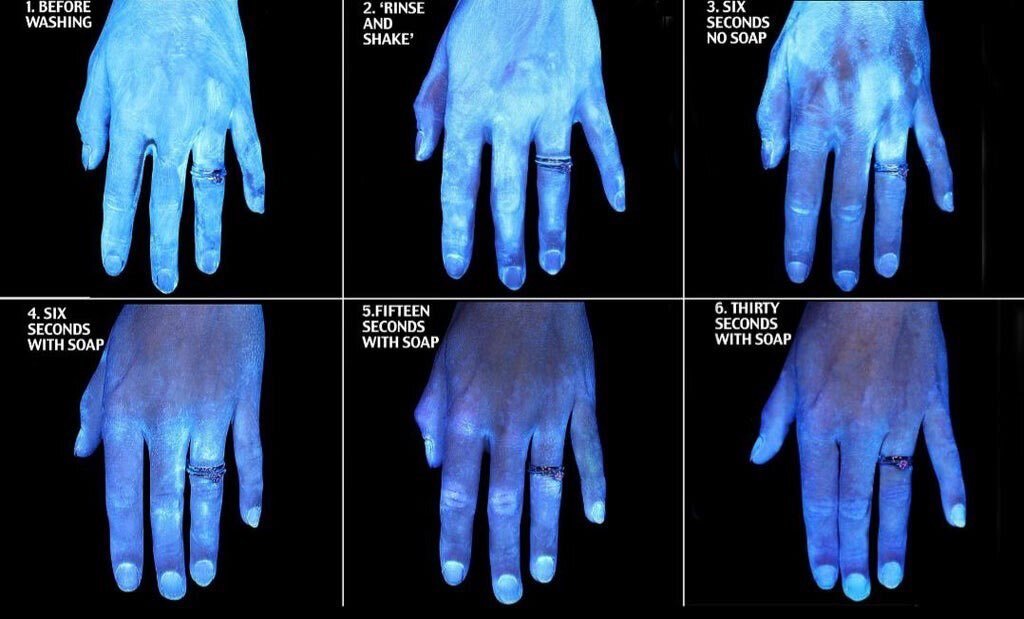
- Wash your hands frequently with soap and water or use an alcohol-based hand rub.
- Avoid touching your eyes, mouth, and nose to prevent germ transfer.
- Cover your cough or sneeze with your bent elbow or a tissue, then dispose of the tissue immediately.
- Avoid crowded places and maintain physical distancing.
- Stay at home if you feel unwell, even with mild symptoms like a slight fever or cough.
- If you experience fever, cough, and difficulty breathing, seek medical care promptly.
- Stay informed by following the latest guidelines and information from the World Health Organization (WHO).
Additionally, incorporating green leafy vegetables, tulsi (holy basil), ginger, guduchi (Tinospora cordifolia), and turmeric into your diet is recommended to support overall health. It is also crucial to avoid consuming undercooked meat and visiting animal slaughtering areas.
Key Takeaways from the Pandemic Outbreak
The emergence of this virus represented a significant challenge for humanity, seemingly a response from Mother Earth to past pollution, following events like the Australian fires in early 2020. While the virus necessitated human confinement, it inadvertently provided a global pause, an almost decades-long shutdown. Industries ceased operations, schools and colleges closed, offices shifted, and public places were restricted, collectively urging everyone to take a moment at home and allow the world a brief respite. It is important to note that the virus is not inherently deadly if individuals adhere to proper discipline and care. A critical factor in its rapid widespread transmission was inadequate hygiene and crowded environments.
Furthermore, it is crucial to acknowledge and honor the unwavering efforts of healthcare professionals, those frontline warriors who risked their own health to treat patients and tirelessly work towards a better outcome. Their indispensable dedication merits our profound recognition and support, which translates to a simple yet powerful action: Stay Home! Stay Safe!
In conclusion, avoiding crowded places, diligently following, and advocating for preventive measures are paramount. Our collective safety depends on these actions until the pandemic’s contagion subsides.

References:
- The Hindu
- Economictimes.com
- www.statista.com
- www.aljazeera.com
- news.un.org
Join our community by subscribing to our Weekly Newsletter to stay updated on the latest AI updates and technologies, including tips and how-to guides. Also, follow us on Instagram (@inner_detail) for more updates in your feed).
For more interesting informational, technology, and innovation content, keep reading The Inner Detail.