The global e-commerce powerhouse, Amazon, relies heavily on the robust capabilities of Amazon Web Services (AWS). While Amazon is widely recognized as a leading online shopping platform, its colossal back-end operations, worth trillions, deliver a diverse range of applications to users through its advanced cloud computing infrastructure, known as Amazon Web Services (AWS).
Exploring AWS reveals that Amazon’s technological reach extends far beyond e-commerce, encompassing a vast array of applications and user interfaces for nearly every emerging technology globally, much like Google. This comprehensive guide delves into the specifics of AWS and its extensive offerings.
Understanding Amazon Web Services (AWS): A Comprehensive Overview
Amazon Web Services (AWS) stands as a leading global cloud computing platform, providing an extensive suite of services including secure data storage, robust database solutions, versatile APIs, advanced networking capabilities, and comprehensive management tools. AWS caters to a wide range of clients, from individual developers to large enterprises and government entities worldwide. Its offerings encompass various computing models such as Infrastructure as a Service (IaaS), Platform as a Service (PaaS), and Software as a Service (SaaS).
AWS provides numerous technological infrastructures within cloud and distributed computing environments, often referred to as virtual networks of systems. Its pricing model primarily operates on a metered ‘pay-as-you-go’ basis, allowing users to pay only for the resources they consume. Additionally, options exist to reserve computing storage on a pre-paid basis, often at a discounted rate.
AWS operates across 190 countries globally. Despite facing strong competition from major players like Microsoft Azure, Google Cloud, and IBM in the thriving cloud market, AWS reported significant revenues, reaching $35 billion in 2020 and $62 billion in 2021. The growth trajectory of AWS has been exceptionally profound, surging from $1 billion to $35 billion in just five years between 2015 and 2020.
Key Platforms and Services Offered by Amazon Web Services
As of 2022, AWS boasts an impressive portfolio of over 200 distinct services spanning more than a dozen technology categories. These diverse offerings are central to the company’s significant revenue generation. In fact, AWS alone contributed 16% to Amazon’s total revenue, amounting to $20.5 billion in 2022.
Over 80% of German Businesses Utilize AWS for Cloud Computing
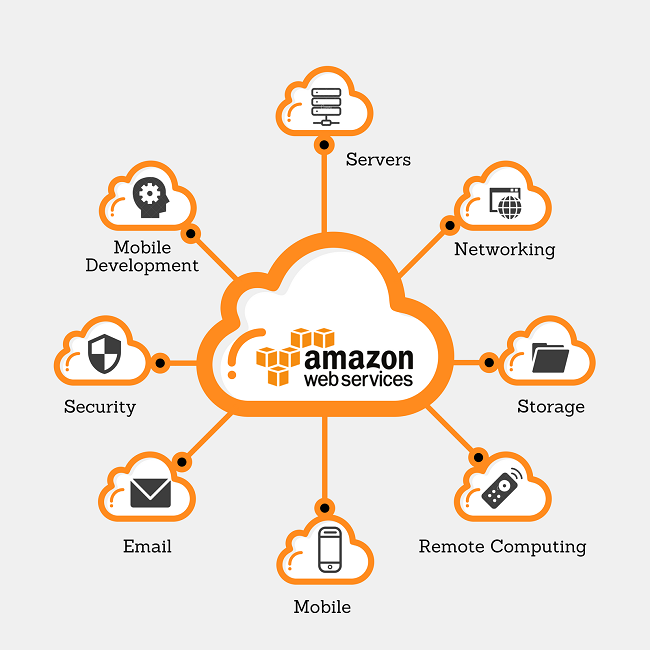
The extensive services offered by AWS can be broadly categorized into the following key areas:
- Computing
- Storage and Databases
- Data Management
- Networking
- Development Tools
- Monitoring
- Security
- Artificial Intelligence
- Analytics
- Migration & Hybrid Cloud
Amazon Elastic Compute Cloud (EC2): Enhancing Availability and Data Storage
AWS extends its global reach to customers through numerous availability zones, operating across 30 geographical regions with 96 distinct availability zones as of 2022. These availability zones are strategically located physical data centers where Amazon hosts its vast network of cloud servers. This infrastructure ensures that businesses utilizing AWS can have their cloud storage and databases located within or very near their operational country, optimizing performance and compliance.
Amazon Elastic Compute Cloud (EC2) is a cornerstone of AWS’s cloud computing service. It delivers a resilient network of virtual systems that, despite being distributed, operate cohesively as a single entity. These EC2 instances, residing within availability zones, are interconnected. This architecture ensures high compliance standards, close proximity to users, and crucial low-latency performance for critical applications.
Did You Know? NASA, Netflix, and the U.S. Navy Power Their Operations with AWS Cloud Services
Data storage is a critical component of the AWS platform, drawing numerous businesses to its offerings. Amazon Simple Storage Service (S3) provides highly scalable object storage, ideal for robust data backup, efficient data collection, and powerful analytics. Large enterprises, in particular, often prefer cloud storage solutions like S3 for archiving extensive volumes of documents and cold data over traditional physical hard drives, benefiting from enhanced security and accessibility.
Amazon Aurora: Advanced Databases and Networking Solutions
The Amazon Relational Database Service (RDS) offers a comprehensive relational database management system for AWS users. This service supports various popular database engines, including Oracle, SQL Server, PostgreSQL, MySQL, MariaDB, and AWS’s own high-performance proprietary database, Amazon Aurora. AWS’s database solutions are particularly valuable in the business-to-business (B2B) sector, facilitating robust data management for enterprises.
An Amazon Virtual Private Cloud (Amazon VPC) empowers administrators with full control over a customizable virtual network, enabling them to provision an isolated section of the AWS cloud. This ensures a secure and private environment for their resources. AWS further enhances security by automatically provisioning new resources within a VPC, adding an extra layer of protection for sensitive applications and data.
Related Content
AWS Developer Tools and Mobile Application Development
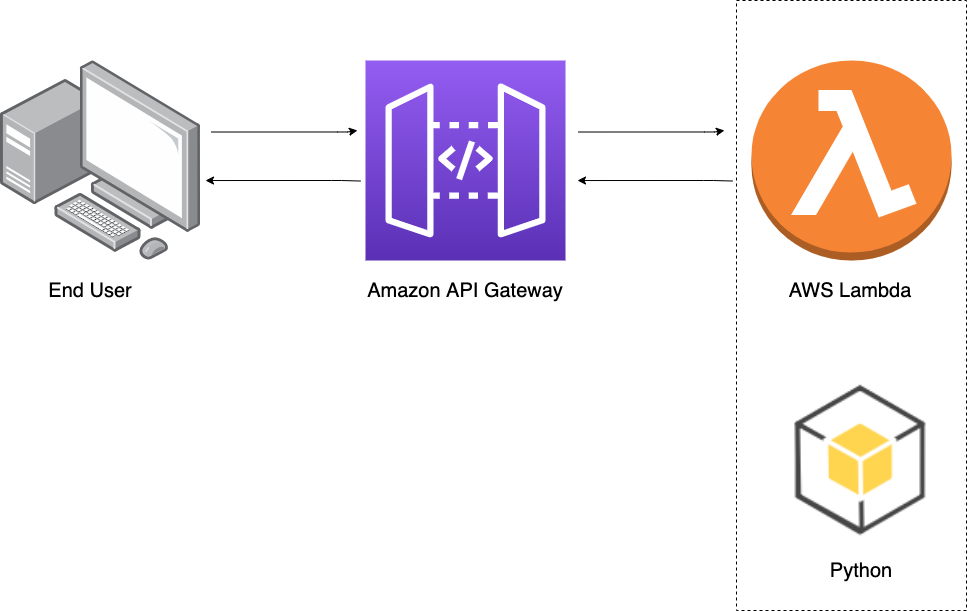
Amazon has significantly expanded its offerings in developer tools, drawing a large community of developers to utilize AWS command-line tools and Software Development Kits (SDKs) for various application and service developments. AWS SDKs provide comprehensive support for popular programming languages and platforms, including Java, Python, Node.js, C++, PHP, Android, and iOS. Furthermore, AWS features Amazon API Gateway, which facilitates the creation, publishing, maintenance, monitoring, and security of APIs, enabling seamless multi-software interaction.
AWS also empowers mobile application developers by providing access to essential tools and services through its Amazon Mobile Hub. This platform integrates the AWS Mobile SDK, offering valuable code libraries and samples to streamline the app development process.
AWS and Artificial Intelligence (AI) Services
AWS offers comprehensive platforms for AI development, deployment, and delivery through a suite of powerful tools. These include Amazon Lex for building conversational interfaces (chatbots), Amazon Polly for advanced text-to-speech capabilities, and Amazon Rekognition for sophisticated image and facial analysis.

Developers can also leverage AWS to create advanced AI models using deep learning frameworks, a core component of machine learning, through Amazon Machine Images (AMIs), which provide pre-configured environments for various computational tasks.
AWS and the Internet of Things (IoT)
AWS forms the foundational cloud infrastructure for numerous IoT devices and smart home assistants like Alexa. It functions as the crucial back-end platform responsible for collecting, storing, and efficiently retrieving data generated by IoT devices. Complementing this, AWS offers solutions like the Amazon IoT button and AWS Greengrass, which provide essential hardware and seamless cloud connectivity for IoT deployments.
For a deeper dive into how IoT operates, explore more here!
Augmented Reality (AR), Virtual Reality (VR), and 3D Graphics on AWS
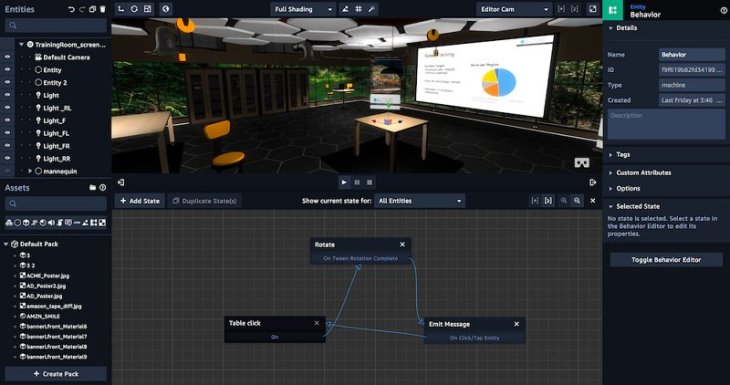
Augmented Reality (AR) and Virtual Reality (VR), both rapidly evolving technologies, find powerful development support on AWS through ‘Amazon Sumerian‘. This intuitive service enables the creation of sophisticated AR, VR, and 3D graphics experiences with minimal coding or specialized programming skills.

Amazon Chime: Streamlined Online Meetings and Communication
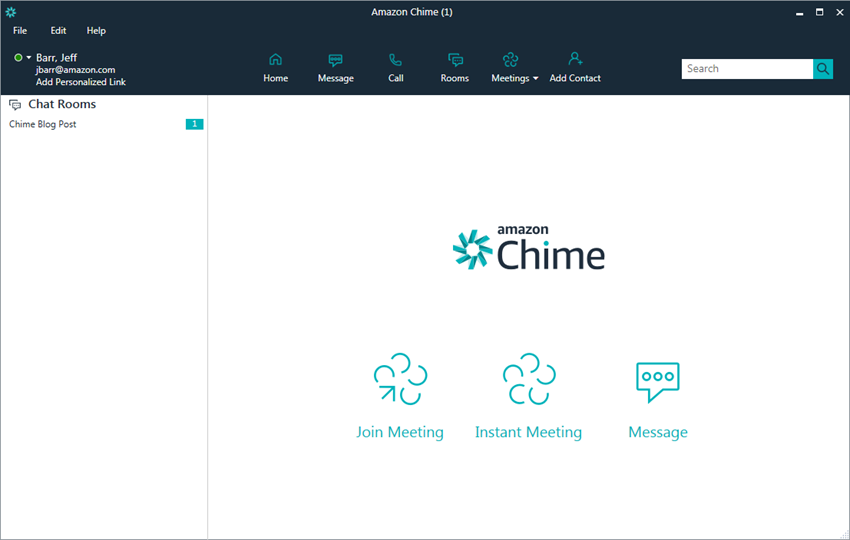
Amazon Chime is a comprehensive video conferencing and online meeting platform developed by Amazon, designed to compete with popular services like Zoom and Google Meet. It offers free one-to-one video calling and provides affordable group video conferencing at a rate of $2.5 per person per month.
Amazon SQS: Secure Messaging and Notification Services
Amazon’s Simple Queue Service (SQS) is a fully managed message queuing service that enables the sending, storing, and receiving of messages between various components of distributed applications. This ensures seamless communication and reliable operation across different parts of an application. Complementing SQS are other robust messaging services like Simple Notification Service (SNS) for publishing messages to subscribers and Simple Email Service (SES) for efficient email delivery, all integral to AWS’s communication capabilities.
Conclusion: The Future of Cloud with AWS
Amazon Web Services profoundly benefits businesses and various global activities through its expansive network of advanced data centers and comprehensive cloud computing functionalities. AWS is committed to sustainability, actively pursuing its goal of achieving 100% renewable energy by fostering strategic partnerships with leading renewable energy providers across the U.S. and beyond.
(For more insightful content on technology and innovation, continue reading The Inner Detail).
References:
- searchaws.techtarget.com
- en.wikipedia.org
- media.amazonwebservices.com
- Pictures used in this blog credits to the respective owners.
Join our community by subscribing to our Weekly Newsletter to stay updated on the latest AI updates and technologies, including the tips and how-to guides. (Also, follow us on Instagram (@inner_detail) for more updates in your feed).
(For more such interesting informational, technology and innovation stuffs, keep reading The Inner Detail).