
The world is rapidly transitioning towards renewable energy sources for optimal power generation. When discussing renewables, solar energy frequently comes to mind, and for good reason. Over the past two decades, significant solar installations have occurred globally, driven by its reliability, long-term cost benefits, and environmentally friendly approach to powering homes and businesses. The global solar market continues its robust growth, exhibiting a colossal compound annual growth rate of 20.5%. Furthermore, past challenges related to solar panel installation and energy storage have been largely overcome, with numerous innovations and advancements fostering a highly optimistic market outlook.
This article explores the most innovative and interesting breakthroughs shaping the future of solar technology.
Before delving into the advancements, let’s briefly review how solar power is harnessed. Solar power is essentially electricity generated by converting sunlight into electrical energy. This conversion typically occurs through two primary methods: using photovoltaic cells (PV cells), commonly known as solar panels, or through Concentrated Solar Power (CSP). CSP systems utilize mirrors and reflective surfaces to focus sunlight onto a central point, heating a liquid that, in turn, drives a turbine to produce electricity. Solar energy generation can employ either or both of these techniques. Now, let’s explore the exciting innovations.
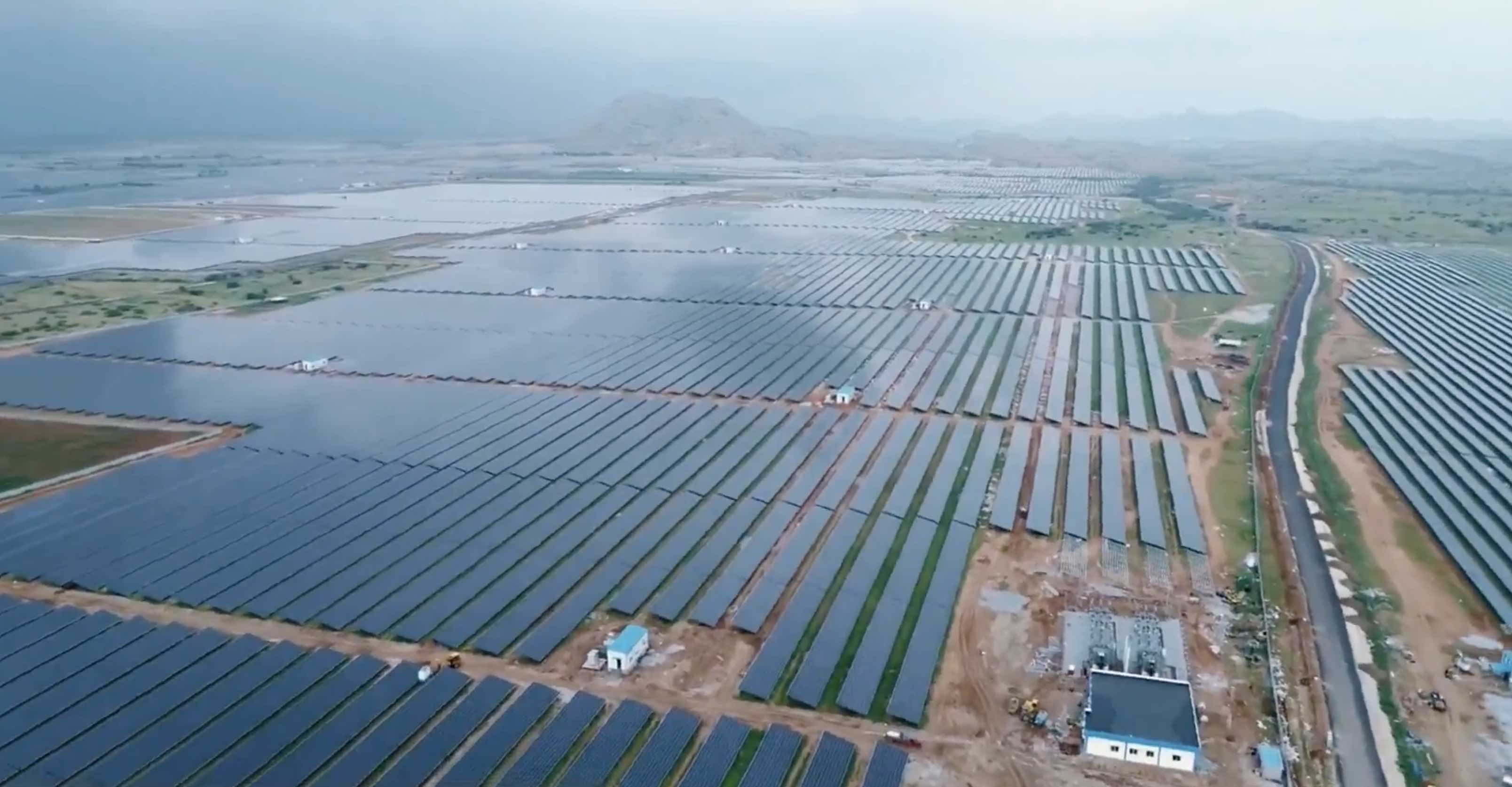
Pavagada Solar Park: World’s Largest Photovoltaic Power Station in Karnataka, India
Top 7 Solar Energy Innovations Driving the Future
Revolutionary Solar Skins: Blending Aesthetics with Efficiency
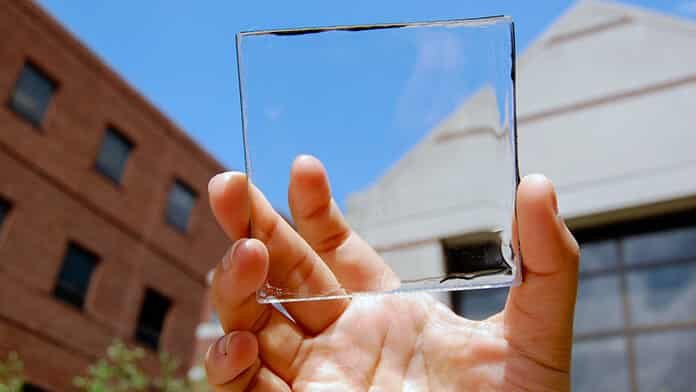
Say goodbye to traditional solar panel installations that often require extensive space. Introducing solar skins: innovative photovoltaic cells designed to seamlessly integrate with your existing roof structure without sacrificing efficiency or energy production. These solar skins offer customizable designs, tailored to suit specific consumer solar power needs and available space. Much like adhesive wraps on bus windows, these skins filter incoming sunlight, allowing it to efficiently reach the underlying solar cells.

Sistine Solar, a prominent manufacturer of these advanced solar skins, is actively testing the technology in the United States to further enhance its efficiency. These versatile skins can be applied in numerous settings, including residential grassy lawns, rooftops, and commercial or government buildings, offering diverse applications for solar energy capture.
Wearable Solar Fabrics: Power on the Go
As the name suggests, solar fabrics are textiles interwoven with tiny, flexible solar panels. While seemingly futuristic, this innovation is a tangible reality in today’s era of advanced technology. Similar to other solar wearables like watches, researchers have successfully developed solar-embedded clothing capable of powering smartphones and other devices, offering convenient energy on the move. This fabric incorporates minute solar filaments, allowing them to be integrated into various garments, including t-shirts, woolen coats, and other apparel. Textile designer Marianne Fairbanks and chemist Trisha Andrew are credited with this groundbreaking solar technology.

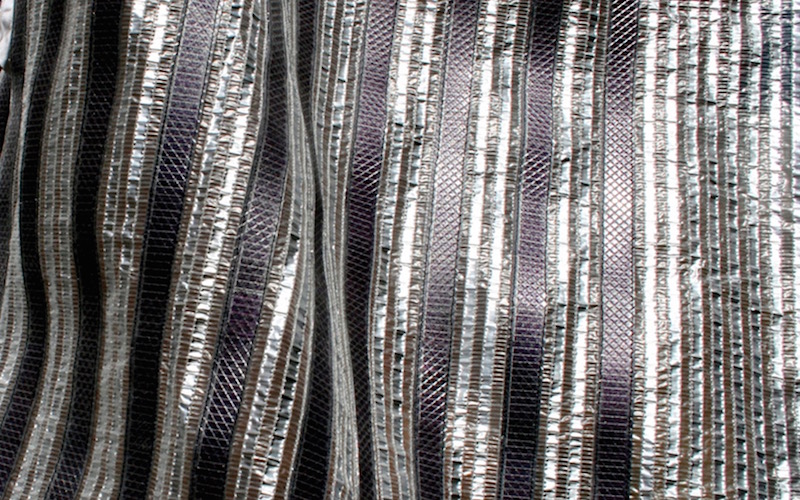
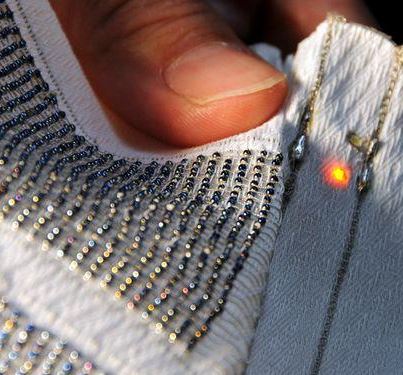
Beyond apparel, solar fabrics are envisioned for broader applications, including window curtains, vehicle windshields, and building facades, providing both shade and electricity. Furthermore, leading companies in the solar industry are reportedly in discussions with the U.S. Army regarding the development of solar-powered robotic tents.
Solar-Powered Roadways: The Future of Infrastructure
This innovation stands out as particularly intriguing: imagine roads that generate their own power. A U.S. company has already begun testing this concept on the footpaths along Route 66, a prominent U.S. interstate highway. These innovative solar roadways are acclaimed for their dual capacity: generating electricity to power integrated LED lights on the road surface and utilizing thermal heating to melt snow during winter months.
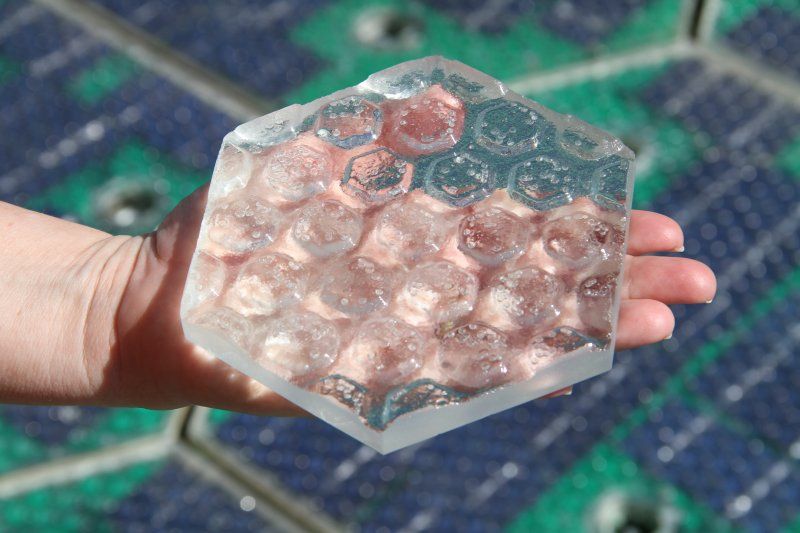
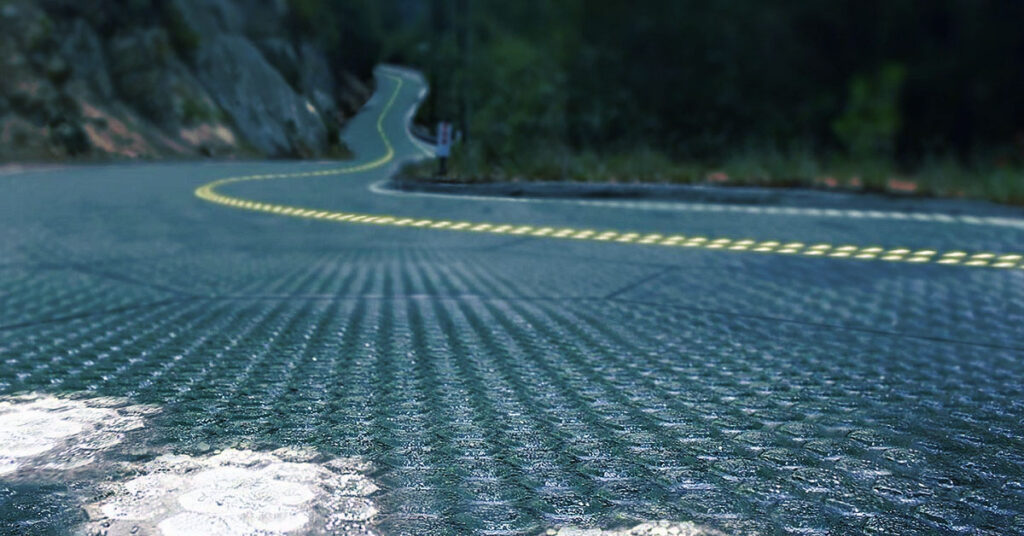
The potential for these solar roads to expand globally is immense. While promising, solar roadways still require significant development and refinement to optimize their solar power generation capabilities while simultaneously ensuring robust durability to withstand continuous vehicle traffic.
Remarkably, if all roads across the United States were converted to solar roadways, they could potentially generate nearly 80% of the nation’s energy requirements.
Solar Energy Storage: Introducing Tesla Powerwall
One significant challenge often associated with solar panel installation is energy storage. For those considering off-grid solar projects or aiming for complete solar power self-sufficiency, Tesla’s Powerwall offers a compelling solution. This advanced rechargeable Li-ion battery, equipped with liquid thermal control, efficiently stores solar energy, making it accessible on demand. This innovative solar storage solution ensures a consistent and sustained power supply, both day and night.
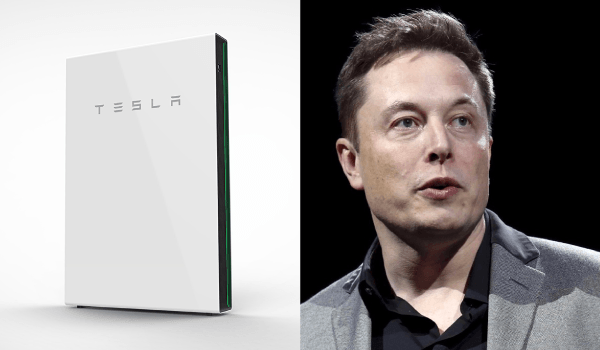
The Powerwall is typically integrated with home solar panel systems, designed to handle the frequent daily cycles of energy recharging and discharging. While Tesla Powerwall comes with a 10-year product warranty, its availability is currently limited to specific regions and conditions, meaning it may not be universally accessible. Interested consumers should consult a local dealer to confirm availability in their area.
Optimizing Solar Capture with Solar Tracking Mounts
Solar tracking mounts represent a significant advancement over traditional fixed solar panel installations. Unlike conventional photovoltaic panels that are set in a static direction, PV tracking systems dynamically adjust the angle of the solar array throughout the day to continuously align with the sun’s position. While this technology has existed for some time, solar manufacturers are now fully embracing its potential. A recent report from GTM Research highlights a substantial surge in the popularity of tracking systems, projecting a remarkable 254 percent year-over-year increase for the PV tracking market this year. The report further indicates that by 2021, nearly half of all ground-mounted solar arrays are expected to incorporate solar tracking capabilities. This is indeed a fascinating development!
Unlocking Portability with Flexible Solar Panels
Flexible solar panels consist of small, interconnected solar cells designed to power mobile devices and other electronic gadgets on the go. These portable panels can be easily attached to backpacks, making them an ideal accessory for tourists and campers seeking remote power solutions.
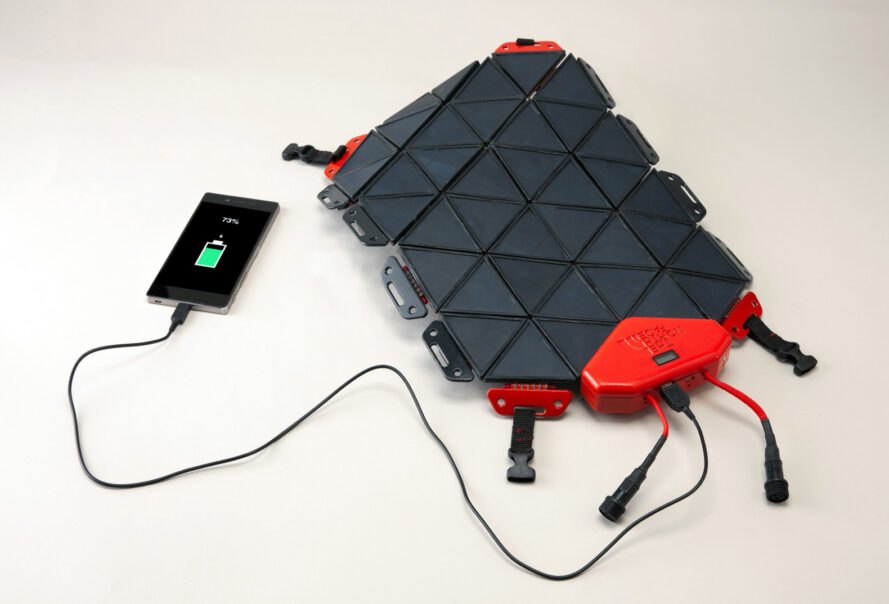
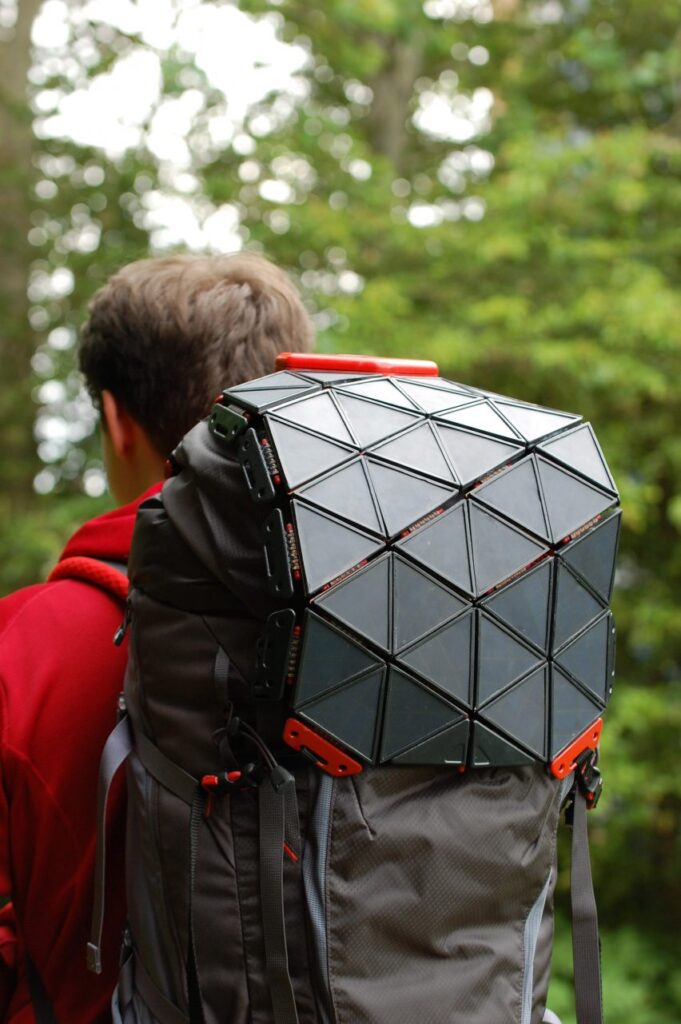
This innovative design, created by Brad Brister, was recognized as the runner-up for the prestigious James Dyson Award in 2019. Additional information about the product is available on the designer’s official website.
Further Reading: Explore 10 Latest Tech Gadgets and Devices That Will Amaze You
Solar-Powered Water Purification: Clean Water Anywhere
Stanford University, in collaboration with the Department of Energy, is developing a groundbreaking solar device capable of purifying water simply by exposure to sunlight. Unlike bulky, conventional solar water purifiers that often rely on UV rays and hours of solar energy, these innovative tablet-sized purifiers utilize visible light and achieve purification in mere minutes.
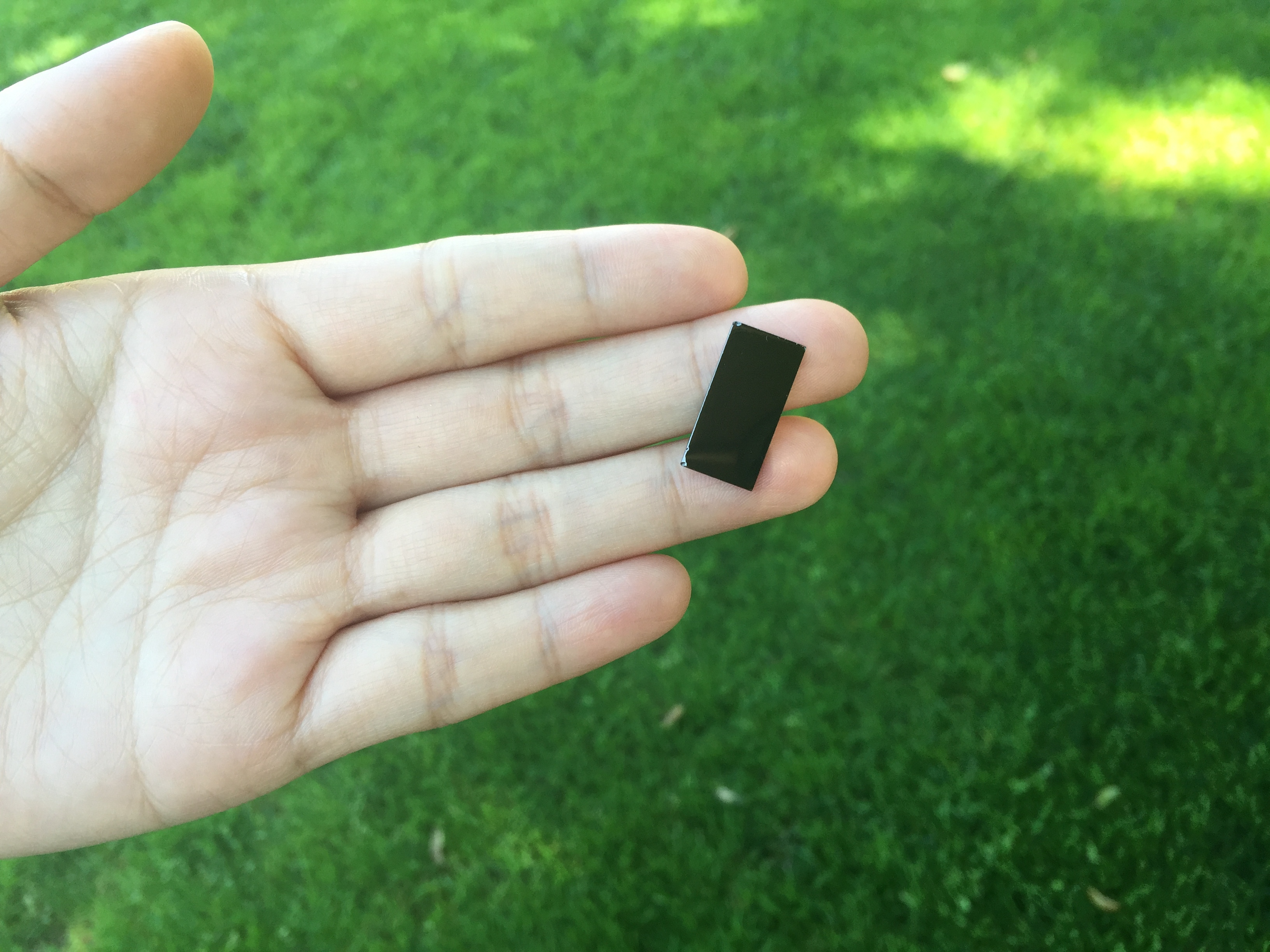
These compact purifiers are primarily designed for outdoor enthusiasts, including campers, trekkers, and hikers, serving as an ideal first-line solution for clean drinking water in remote locations.
The Bright Future of Solar Energy
As we’ve explored, a continuous stream of innovations is poised to revolutionize the solar energy sector even further. It is widely anticipated that solar power generation will become the leading source of electricity worldwide by 2050, a prediction supported by the International Energy Agency. Furthermore, Allied Market Research forecasts that the global solar market will reach a valuation of $223 billion by 2026, demonstrating an impressive annual growth rate exceeding 20%.
Considering these remarkable advancements, are you ready to embrace solar energy for your home? We welcome your thoughts and comments below!
References:
- https://news.energysage.com/tesla-powerwall-complete-review/
- https://news.energysage.com/solar-roadways-what-you-need-to-know/
- https://news.energysage.com/solar-panel-technology-advances-solar-energy/
- https://www.solarreviews.com/blog/solar-panel-technologies-that-will-revolutionize-energy-production
- https://www.powermag.com/blog/future-of-solar-energy-brighter-than-sun-rapid-innovations-pave-the-way/
- https://en.wikipedia.org/wiki/Solar_power
Join our community by subscribing to our Weekly Newsletter to stay updated on the latest AI updates and technologies, including the tips and how-to guides. Also, follow us on Instagram (@inner_detail) for more updates in your feed.
For more such interesting informational, technology, and innovation content, keep reading The Inner Detail.
