
As human intelligence evolves, so does technology, continuously enhancing processes and assisting individuals in countless ways. Artificial Intelligence (AI) stands out as a pivotal advancement, profoundly transforming industries and human experiences now and into the future.
Understanding Artificial Intelligence: A Quick Overview
Artificial intelligence (AI) is an advanced technology designed to simulate human intelligence within machines and systems. This enables them to perform automated tasks and achieve complex objectives that typically require human cognitive abilities.
Commonly defined, AI refers to machines that emulate human cognitive functions like learning, problem-solving, and decision-making.
AI systems analyze their environment, process data using specific algorithms, and identify the most efficient paths to accomplish their goals. These objectives can be predefined or, in the case of reinforcement learning, autonomously developed by the machine through accumulated experience.
Rather than providing a general overview of AI’s sector-wide impact, this article highlights specific products and services across various industries that have successfully implemented AI, offering concrete examples for better understanding.
Artificial Intelligence in Agriculture
The integration of AI in agriculture is expanding globally, offering transformative solutions. Notably, in regions with smaller individual farm holdings, unlike larger operations in wealthier nations, AI’s role is becoming increasingly crucial.
- AI-powered solutions offer significant potential for rapid transformation within the agricultural sector, especially benefiting small-scale farmers. For instance, Indian startup Fasal, developed by Wolkus, a ‘smart things’ innovator, employs cost-effective sensors and AI. This technology provides farmers with real-time data and insights, enables remote access to crucial information, and offers predictions for resource needs such as irrigation, sprays, and fertigation, along with other preventive measures. The company’s sensor station is also designed for easy implementation by small farmers.

- SkySqurrel Technologies offers innovative drone-based aerial imaging solutions for comprehensive crop health monitoring. This method involves drones capturing field data, which is then transferred via USB to a computer for expert analysis. The company’s advanced algorithms analyze these images, generating detailed reports on farm health. This enables farmers to promptly identify pests and bacteria, facilitating timely pest control and other necessary interventions.
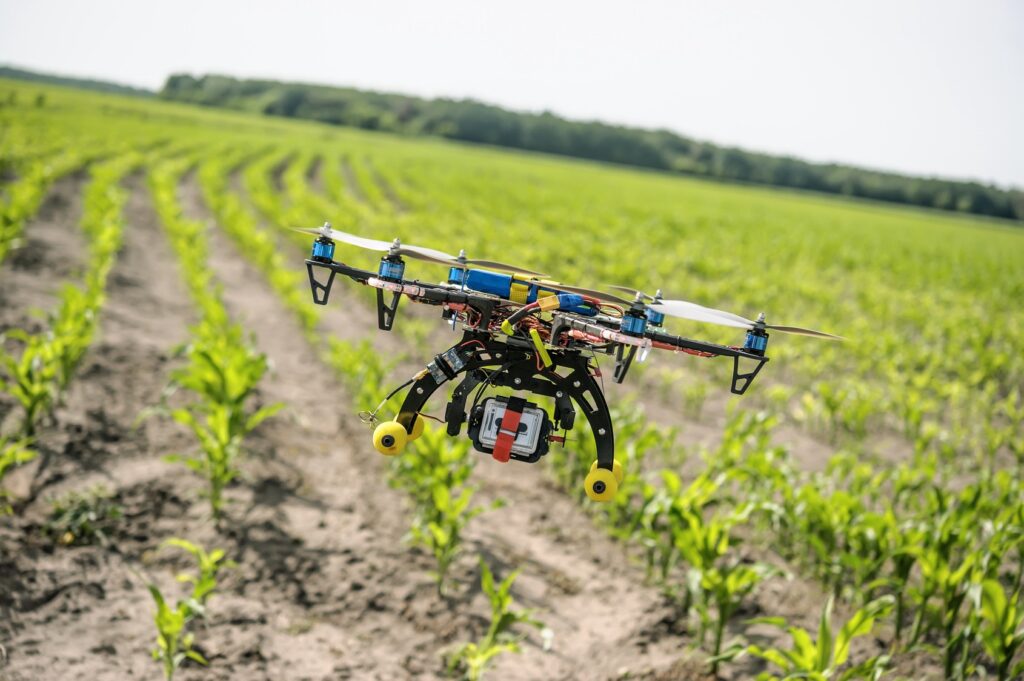
- Alibaba, via its cloud computing arm Alibaba Cloud, supports agricultural advancements by helping farmers monitor crops using artificial intelligence. This initiative aims to enhance crop yield and significantly reduce operational costs.
Explore additional startups integrating AI into agricultural practices!
Artificial Intelligence in Healthcare
Google Health, a division of the tech giant, is actively leveraging AI’s capabilities to revolutionize healthcare. Their initiatives include assisting with cancer diagnosis, forecasting patient outcomes, preventing blindness, and numerous other advancements.
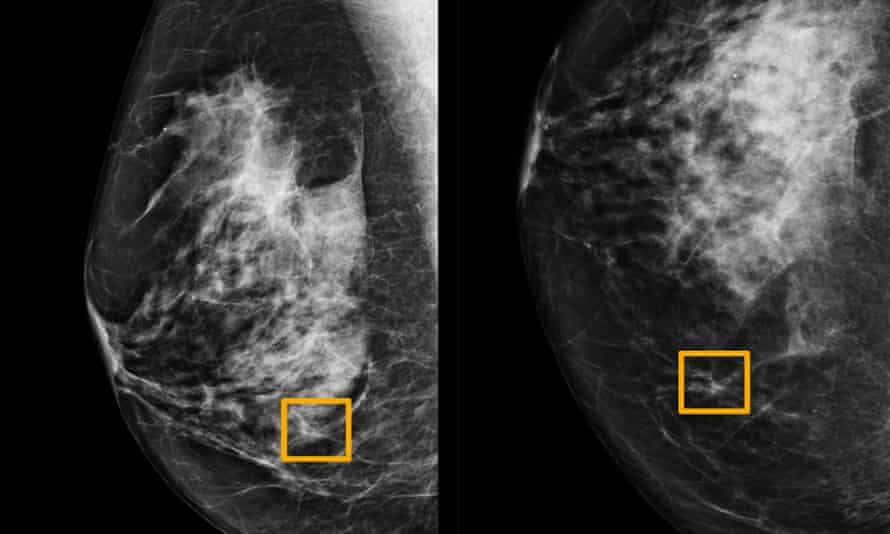
Google’s commitment is evident through its actions. In collaboration with its DeepMind division, Google Health recently introduced an AI-powered solution for breast cancer detection. This advanced algorithm impressively outperformed human radiologists by an average of 11.5% in initial tests. While these results were based on pre-selected datasets, forthcoming studies will explore its effectiveness with diverse clinical data. This breakthrough exemplifies AI’s potential in medicine. For more insights, click here.
Intriguing AI Advancements: AI Can Now Detect Heart Disease from Selfies!
Artificial Intelligence in Education
AI is significantly impacting education by identifying areas where students struggle with specific topics and offering alternative learning approaches for better comprehension. Crucially, AI systems can analyze each student’s understanding capabilities on an individual basis, personalizing the learning journey.
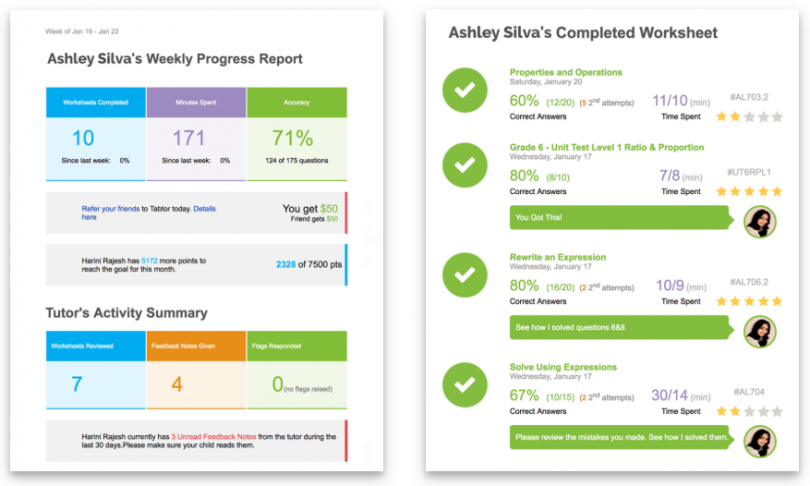
For instance, Knewton specializes in developing adaptive learning technology for higher education. Their program, ‘alta,’ effectively pinpoints knowledge gaps in students, delivers tailored coursework, and guides them back onto the path for college-level studies. Alta also supports instructors in teaching across various educational proficiencies and is presently applied in subjects like mathematics, chemistry, statistics, and economics.
AI’s Impact on Business and Customer Engagement
At the heart of any successful business lies a deep understanding of customer needs and a commitment to satisfaction. Many leading companies globally are now strategically implementing AI solutions to achieve these crucial objectives.
- Netflix leverages AI to power its recommendation algorithm, which intelligently suggests video content tailored to individual user viewing preferences and tastes.
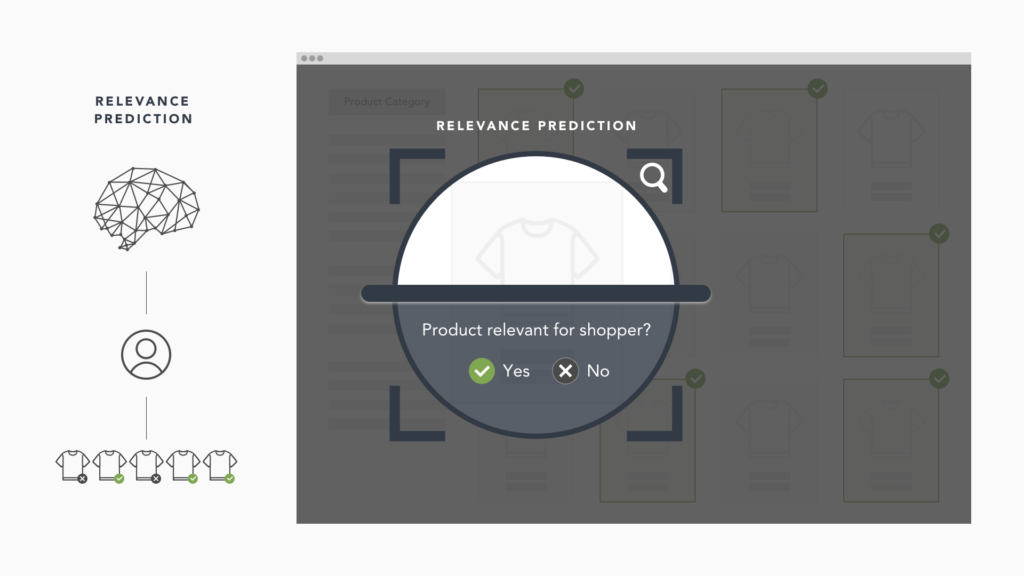
- Alibaba, a prominent Chinese multinational technology company focused on e-commerce, retail, internet services, and technology, integrates Artificial Intelligence (AI) into its daily operations. AI predicts customer purchasing behaviors and, utilizing natural language processing, automatically generates product descriptions for its platforms.
- Alibaba’s application of artificial intelligence extends to its City Brain project, an initiative focused on developing smart cities. This project employs AI algorithms to mitigate urban traffic congestion through comprehensive vehicle monitoring across the city.
Discover more examples of how businesses are successfully implementing AI!
AI’s Transformative Impact on Industrial Sectors
In manufacturing and production, AI primarily manifests through AI-powered robots, which have revolutionized mass production and significantly optimized process flow times. Beyond descriptive text, the following video offers a visual insight into AI’s profound role in industrial applications.
AI in Financial Services
Kensho delivers cutting-edge machine intelligence and data analytics solutions to prominent financial institutions such as J.P. Morgan, Bank of America, Morgan Stanley, and S&P Global. Kensho’s advanced software provides analytical capabilities by integrating cloud computing with natural language processing (NLP), enabling its systems to answer complex financial queries in clear, understandable English.
Following Brexit, traders utilizing Kensho’s AI-powered database were able to rapidly predict a prolonged decline in the British pound, a development highlighted in a 2017 Forbes article.
Artificial Intelligence in Construction
- APE Mobile is dedicated to simplifying construction processes through innovative technology, transforming complex tasks into straightforward operations and providing contractors with essential information. The company is currently integrating Artificial Intelligence (AI) and Natural Language Processing (NLP) to deliver immediate answers to user queries, directly on-site. As they state, “Ask a question and it gives you answers, instantly. And shows you where you can see the underlying data. No need to search. No need to head to the trailer or office. Just ask.”

- Kwant (formerly onTarget) significantly boosts construction productivity and safety through AI-powered predictive analytics and easily deployable sensors. The company has utilized AI to analyze thousands of project schedules, with their algorithms standardizing unstructured data into coherent categories. By comparing real-time sensor and API data against standardized forensic data, Kwant accurately predicts potential early warning signs that could jeopardize project execution.
Explore additional companies driving AI innovation in the construction sector!
AI’s Role in Art and Historical Reconstruction
Artists are now leveraging AI algorithms for predictive modeling to recreate sculptures and statues, giving lifelike faces to historical figures. Bas Uterwijk, a Dutch photographer and designer, along with Dan Voshart, a VR specialist in the film industry, are notable for bringing ancient faces to life. Their work involves deploying AI and Machine Learning software to generate algorithmic predictions of what these historical individuals might have looked like.

Join our community by subscribing to our Weekly Newsletter to stay updated on the latest AI updates and technologies, including the tips and how-to guides. (Also, follow us on Instagram (@inner_detail) for more updates in your feed).
(For more such interesting informational, technology and innovation stuffs, keep reading The Inner Detail).
