
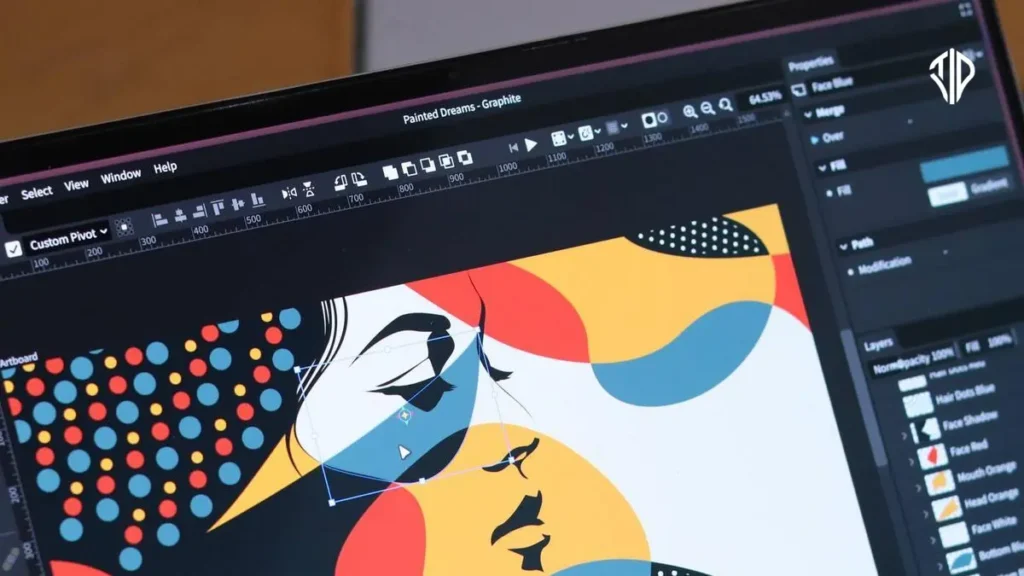
The traditional software model, anchored by heavy desktop applications and expensive monthly subscriptions, is facing a radical challenge according to recent reports. Independent developers are leveraging advanced generative models to build open-source alternatives to industry-standard creative tools. This trend suggests that writing traditional code for complex applications may soon take a back seat to AI-driven generation.
At the center of this movement are experimental projects built using advanced coding assistants like Claude Opus. Developers are using these AI systems to rapidly prototype and release functional clones of popular software suites, specifically targeting design powerhouses like Adobe Creative Cloud. While these projects are currently ambitious and far from finished, they signal a dramatic shift in how software can be conceptualized and deployed.
The Shift From Writing Code to Prompting Applications
For decades, creating a professional-grade photo editor or video production suite required massive teams of software engineers working over many years. Today, generative artificial intelligence allows a single developer to scaffold complex applications in a fraction of the time.
By translating natural language prompts into working codebases, AI models can generate core features, user interfaces, and rendering pipelines. This democratization of software creation means that specialized tools no longer require million-dollar budgets to launch.
Instead of relying on a monolithic software package, users might soon generate custom applications tailored to their exact workflow needs on the fly.
Open Source Versus Proprietary Monopolies
The emergence of AI-built software clones directly challenges the subscription-based economic models dominant in the tech industry today. Proprietary software suites often lock users into recurring payment models for access to updates and cloud integration.
Open-source alternatives threaten this paradigm by offering similar core functionalities for free. When anyone can use an AI assistant to generate a functional alternative to a paid tool, the pricing power of legacy tech giants begins to erode.
This friction could force traditional companies to reevaluate their pricing structures and accelerate their own AI integration to stay competitive.
Current Limitations and the Road Ahead
Despite the excitement surrounding AI-generated software, these open-source clones face significant hurdles before entering mainstream professional workflows. Current limitations include unstable user interfaces, missing edge-case features, and a lack of the robust optimization found in mature software.
Building a functional prototype is vastly different from maintaining a secure, scalable application used by millions of creative professionals. Performance bottlenecks, memory leaks, and security vulnerabilities are common in raw AI-generated codebases.
Professional designers rely on stability and precise color accuracy, areas where early open-source AI projects still struggle to compete.
What This Means for the Future of Tech
The idea that software is over does not mean applications will disappear entirely. Rather, it implies that the traditional method of manually writing every line of code is becoming obsolete for many use cases.
As generative models improve, the barrier to entry for software creation will continue to drop. Users may shift from passive consumers of software products to active directors of custom software solutions. This evolution could spark a wave of hyper-specialized tools built by domain experts rather than traditional software companies.
Key Takeaways
- AI-driven generation is challenging traditional software models and expensive subscription packages.
- Developers use advanced coding assistants to rapidly build functional clones of major software suites like Adobe Creative Cloud.
- Open-source alternatives threaten legacy pricing power by offering core functionalities for free.
- Current open-source AI clones face hurdles such as unstable interfaces, security vulnerabilities, and performance bottlenecks.
- The future of tech points toward hyper-specialized, custom applications directed by users rather than manually coded monolithic packages.
Join our community by subscribing to our Weekly Newsletter to stay updated on the latest AI updates and technologies, including the tips and how-to guides.
Follow us on Instagram (@tid_technology) for more updates in your feed and our WhatsApp Channel to get daily news straight to your Messaging App.
