
The profound impact of science and technology applications is continuously enriching human lives to an unprecedented degree. In today’s rapidly evolving world, traditional concepts often become historical footnotes. To thrive and maintain a seamless lifestyle, individuals must adapt to the ever-changing technological landscape. Embracing electric vehicles (EVs) or adopting the latest mobile innovations are prime examples of staying current. Failing to update oneself can hinder progress. Consider the dramatic shift for cameramen and helicopter pilots after the advent of drones for wide-angle aerial coverage. The past decade alone has witnessed astounding technological advancements and transformations.
This technological acceleration underscores the critical need to understand upcoming and emerging technologies poised to dominate the global landscape for the next two decades. Among many, we’ve identified seven key technologies. For each, we’ve also provided resources to help you learn more and deepen your knowledge. Let’s dive in!
Essential Future Technologies Everyone Needs to Know
1. Understanding Artificial Intelligence (AI)
Artificial Intelligence (AI) stands as one of the fastest-growing emerging technologies. It involves the simulation of human intelligence processes by machines, which are specifically programmed to mimic human thought and actions.
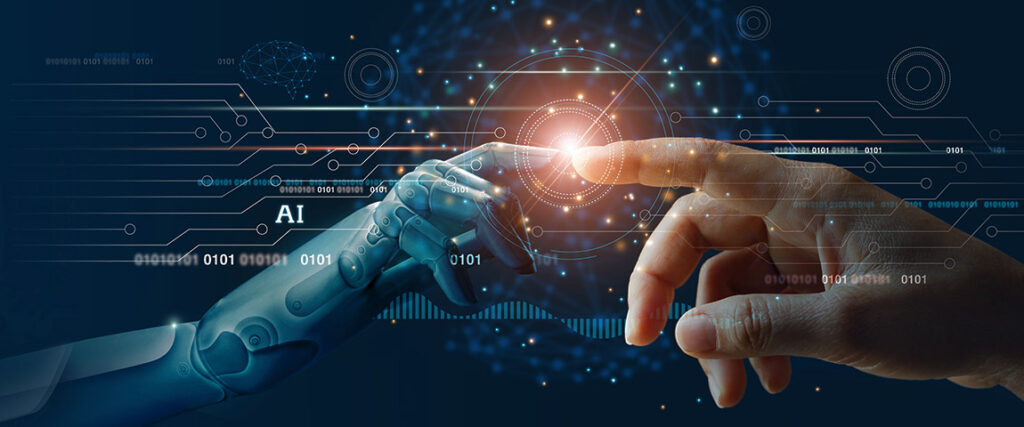
For instance, in many industries, managing and monitoring numerous subsystems can be incredibly demanding. AI steps in to automate predictions and assist in decision-making processes, thereby streamlining operations and significantly increasing efficiency. From virtual assistants like Siri to advanced self-driving cars, AI’s presence is rapidly expanding across various sectors.
Applications:
- In the medical field, AI is actively being tested and utilized for precise drug dosage, personalized patient treatments, and enhancing surgical procedures within operating rooms.
- AI technology is also instrumental in developing self-driving cars and plays a crucial role in detecting fraudulent activities within the banking and finance sectors.
- Furthermore, AI significantly aids the financial industry by streamlining operations, facilitating easier trade, and providing accurate predictions for supply, demand, and securities pricing.
Delve deeper into the world of Artificial Intelligence by clicking here.
2. Exploring Machine Learning (ML)
Often considered a subset of Artificial Intelligence, Machine Learning (ML) is a powerful methodology that enables computers to learn from data without being explicitly programmed. It involves developing algorithms and statistical models that allow systems to perform specific tasks based on patterns and inferences drawn from training data. This enables machines to make predictions or decisions autonomously. From advanced email filtering to forecasting public sentiment on various topics, ML encompasses nearly 14 distinct learning types. Its widespread applications across almost all industries position it as one of the most in-demand technologies of the current decade.
3. The Power of Blockchain Technology
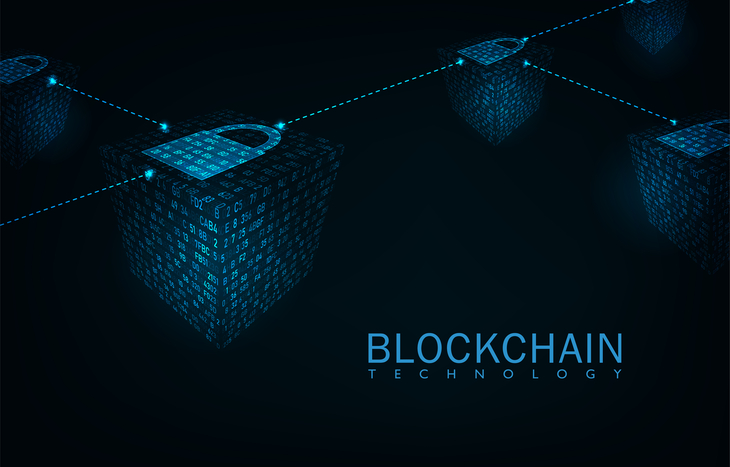
Blockchain, as its name suggests, is a chain of interconnected data blocks. It’s best defined as a distributed, decentralized, and open ledger system. Primarily, blockchain technology is revolutionizing online transactions by ensuring unparalleled security. Essentially, it allows users to conduct transactions directly on a secure chain, eliminating the need for traditional intermediaries like banks. Each transaction worldwide adds a new block to this chain. This architecture makes it virtually impossible for malicious actors to alter data, as doing so would require changing every single block simultaneously, thereby ensuring the integrity and safety of every transaction.
Gain further insights into Blockchain technology by exploring more here.
4. Internet of Things (IoT) Explained
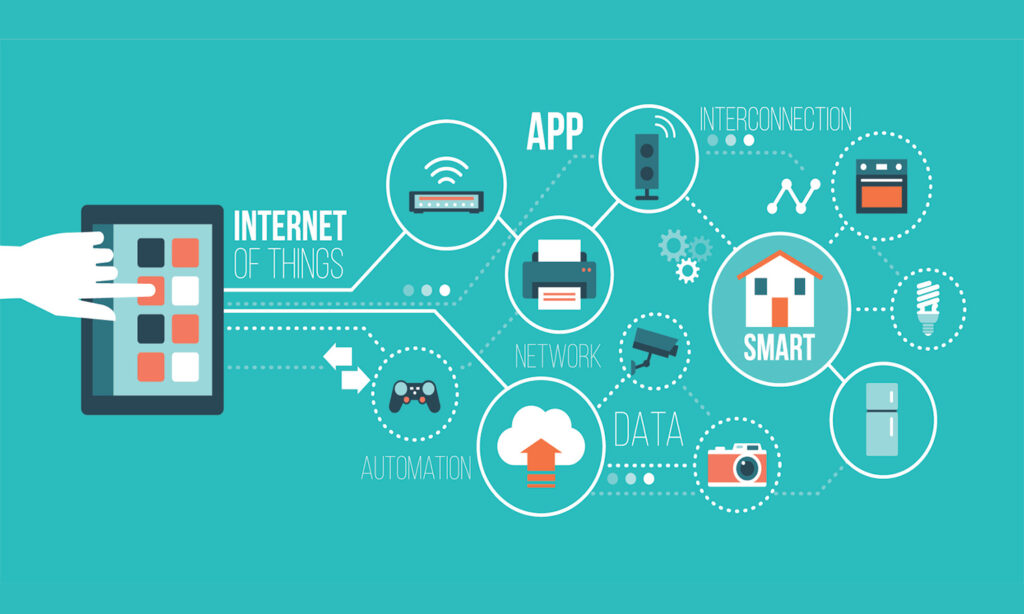
The Internet of Things (IoT) represents a revolutionary concept where everyday physical objects are interconnected and interact with each other. These “things” are embedded with unique identifiers (UIDs) and possess the capability to transfer data over a network, allowing users to remotely monitor and control their functionalities. IoT’s core innovation lies in enabling control over IoT-enabled devices directly from your smartphone or other gadgets, significantly enhancing convenience and feasibility in daily life.
Applications of IoT span various sectors, including smart homes, Vehicle-to-Vehicle (V2V) and Vehicle-to-Everything (V2X) communications, as well as sophisticated cyber and process control systems. The reach of IoT is continually expanding. For a comprehensive understanding of IoT, click here!
5. The Advancements in Robotics
Robotics, a fascinating branch of science, integrates principles from various leading engineering disciplines. Robots are designed either to assist humans in complex tasks or to efficiently replace them, primarily due to their superior efficiency and rapid task execution capabilities.
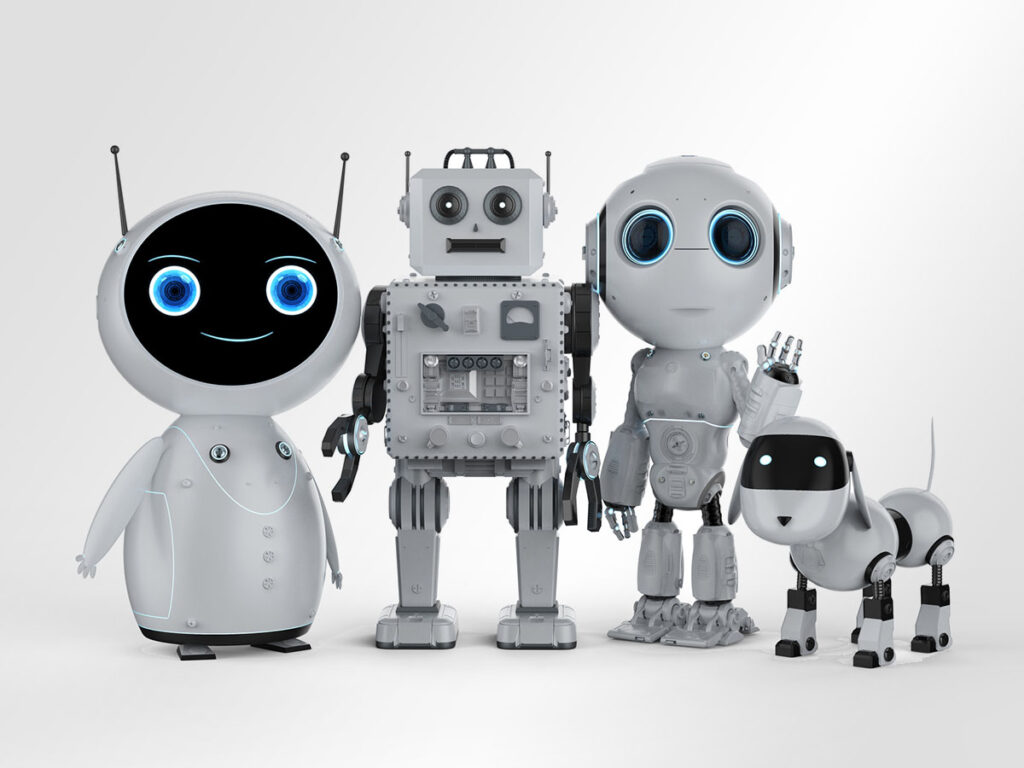
Robotics is significantly impacting various industries, including manufacturing, pharmaceuticals, packaging, Fast-Moving Consumer Goods (FMCG), and inspection. Other burgeoning sectors embracing robotics include education and defense. It is clear that robotic technologies are poised to fundamentally transform industrial operations wherever they are implemented. Industry experts widely anticipate that in the near future, robotics will become an indispensable component across a diverse range of sectors. While initial adoption rates for new technologies, including robotics, might be gradual, the escalating demand across numerous industries signals immense opportunities and an accelerating rate of robotics integration.
Robotics is a wide-field of application & science. Explore a brief overview of Robotics here!
Taking robotics a step further, swarm robotics involves the networked connection of multiple robots, enabling them to collectively perform tasks in a coordinated manner. This advanced approach prioritizes scalability, which is the primary objective behind its development and implementation.
6. Virtual Reality (VR) and Augmented Reality (AR)
Virtual Reality (VR) technology fully immerses users within a computer-generated, simulated environment. The most sophisticated VR experiences offer true freedom of movement, allowing users to navigate and interact within the digital space, complete with immersive audio. Specialized hand controllers further enhance these VR experiences. When combined, VR and Augmented Reality (AR) are proving to be revolutionary technologies, particularly in the medical field, exemplified by their application in visualizing MRI and CT scan images.
Augmented Reality (AR), by contrast, overlays digital content onto the real world, allowing users to interact with both simultaneously. A prime example is Pokémon Go, where millions worldwide engaged with virtual creatures superimposed onto their physical surroundings via smartphones. Other notable AR applications include face recognition technology, advanced GPS systems, and popular apps like Snapchat. As long as mobile devices remain prevalent, the possibilities for AR innovation are limitless.
The combined market for Augmented Reality (AR) and Virtual Reality (VR) is projected to reach an impressive $151 billion USD, highlighting their significant economic potential.

7. Understanding Cloud Computing Services
Cloud computing involves the delivery of diverse computing services, such as servers, storage, databases, networking, software, analytics, and intelligence, all accessible over the Internet (referred to as “the cloud”). This model fosters accelerated innovation, offers highly flexible resources, and enables significant economies of scale. Users typically pay only for the cloud services they consume, which helps reduce operational costs, enhances infrastructure efficiency, and allows businesses to seamlessly scale their resources in response to changing demands.
Key services offered by cloud computing include the development of cloud-native applications, secure data storage and recovery, and seamless online streaming of audio and video content. Discover more about Cloud Computing here.

“Information is Wealth”
References:
- wikipedia.com
- azure.microsoft.com
- quora.com
- forbes.com
- einfochips.com
- investopedia.com
- futureoflife.org
Join our community by subscribing to our Weekly Newsletter to stay updated on the latest AI updates and technologies, including tips and how-to guides. Also, follow us on Instagram (@inner_detail) for more updates in your feed.
For more such interesting informational, technology, and innovation content, keep reading The Inner Detail.

Pingback: This Indian School accepts Plastic wastes as School fees – The Inner Detail