
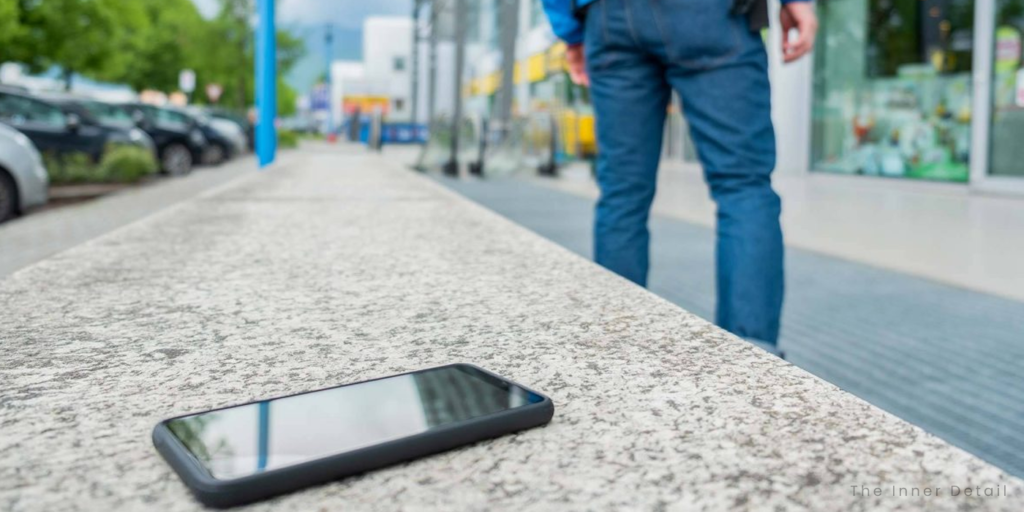
People may have forgotten why durability of smartphones is an crucial criteria for a buying decision, along with powerful processors and fancy cameras. A recent survey & research by Counterpoint undermines how much people spend on their smartphones, along with the expectations of a smartphone’s durability.
In today’s fast-paced world, smartphones are more than just communication devices; they are our indispensable companions for work, entertainment, and daily life. As our reliance on these pocket-sized computers grows, so does the importance of their durability. It’s no longer just a ‘nice-to-have’ feature but a ‘must-have’ that profoundly impacts user confidence, finances, and emotional well-being.
Smartphone stirs Emotion
The moment a smartphone slips from our grasp, a surge of anxiety often follows. A survey revealed that an overwhelming 95% of users experience feelings of upset, anxiety, or panic when their phone cracks or falls. This strong emotional response underscores how deeply connected we are to our devices and the digital world they hold. Research Director Tarun Pathak notes that “emotions are closely tied to how durable these devices are”.
Protecting Your Digital Life and Wallet
Beyond the emotional toll, the fear of losing personal data is a significant concern for users. A substantial 89% of users fear losing important data like photos, videos, banking details, contacts, and chats if their phone fails. For many, it’s not just the device at risk but “a world of memories”.
The financial burden of repairs also weighs heavily on users. The survey found that smartphone repairs can be costly, with 7 in 10 users spending over INR 2,000, and 29% spending over INR 5,000. This significant expenditure, often a quarter of the average smartphone price, highlights why users expect devices to withstand drops and scratches, alongside offering reliable long-term performance. It’s no surprise that 9 in 10 users proactively invest in covers, screen guards, or insurance to safeguard their devices.
Confidence in Every Scenario
The fear of damage also restricts how and where users interact with their phones. 78% of users avoid using their smartphones in harsh conditions like water, rain, or extreme heat, fearing potential damage. Overheating (41%), battery problems (32%), and accidental damage (32%) are among the most common concerns. Users expect their devices to perform reliably across all scenarios, whether exposed to challenging conditions or everyday use.
How to check Smartphone’s Durability?
When it comes to purchasing a smartphone, durability ranks as a “very important” factor for 79% of users. Top of the list for building confidence in a device’s resilience is a durable screen, followed by a stronger frame and water resistance. Other key priorities include long-lasting and reliable batteries, and resistance to extreme temperatures. These expectations drive manufacturers to incorporate advanced materials like scratch-resistant glass, aerospace-grade aluminum, IP-rated sealing, and rigorous testing to ensure devices are more resilient and maintain good condition for longer, which can also improve resale value.
The most common indicators of durability are IP ratings (Ingress Protection), which measure a device’s resistance to dust and water. For example, an IP68 rating means the phone is fully dust-tight (the ‘6’) and can withstand submersion in water beyond 1 meter for a specified duration (the ‘8’). Another key factor is the type of protective glass used on the display and back, such as Corning Gorilla Glass or Ceramic Shield, which significantly reduces the likelihood of scratches and cracks.
The Ingress Protection (IP) rating is a standard used to define the level of sealing effectiveness of electrical enclosures against intrusion from foreign bodies and moisture. The rating is represented by two digits following the letters “IP.”
- The first digit indicates the level of protection against solid objects, such as dust and dirt.
- 0: No protection.
- 1: Protection against solid objects over 50 mm.
- 2: Protection against solid objects over 12.5 mm.
- 3: Protection against solid objects over 2.5 mm.
- 4: Protection against solid objects over 1 mm.
- 5: Dust protected. Limited ingress of dust permitted.
- 6: Dust tight. No ingress of dust.
- The second digit indicates the level of protection against liquids (water).
- 0: No protection.
- 1: Protection against vertically dripping water.
- 2: Protection against dripping water when tilted up to 15°.
- 3: Protection against spraying water.
- 4: Protection against splashing water from any direction.
- 5: Protection against water jets from any direction.
- 6: Protection against powerful water jets.
- 7: Protection against temporary immersion in water (1 meter for 30 minutes).
- 8: Protection against continuous immersion in water (depth and time specified by the manufacturer, typically more than 1 meter).
- 9K: Protection against high-pressure, high-temperature water jets.
Additionally, the phone’s frame material—whether it’s aluminum, stainless steel, or a reinforced composite—plays a significant role in its ability to withstand drops and impacts. A strong frame provides the structural integrity needed to protect the internal components, and some manufacturers even use military-grade certifications like MIL-STD-810H to prove their devices can handle extreme conditions.
For a deeper dive into a smartphone’s durability, you can turn to several reliable online resources. Websites like JerryRigEverything and Gupta Information Systems on YouTube are renowned for their rigorous, real-world durability tests, which include scratch, burn, and bend tests. They provide an honest, unfiltered look at how a phone holds up to abuse, often disassembling the device to show its internal build quality.
Ultimately, as our digital lives become more intertwined with our smartphones, durability has transformed from a bonus feature into a fundamental expectation, ensuring peace of mind and the continued functionality of our indispensable devices.
Join our community by subscribing to our Weekly Newsletter to stay updated on the latest AI updates and technologies, including the tips and how-to guides. (Also, follow us on Instagram @inner_detail for more updates in your feed).
(For more such interesting informational, technology and innovation stuffs, keep reading The Inner Detail).