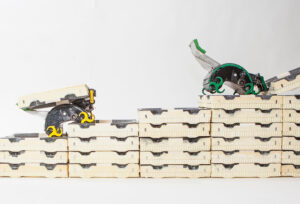

CES 2026 has officially redefined the boundary between digital intelligence and physical reality. This year, the focus shifted from generative AI chatbots to “embodied AI”—technology that moves, sees, and interacts with the world alongside us.
Unlike CES 2025 which mostly proliferated Robots, glasses and auto-techs, CES 2026 hosts interesting and unexpected tech products like LEGO Brick, Solar Mars Bot and so on. From robots that do your laundry to holographic AI companion, here are the most innovative products unveiled at this year’s show.
Before getting to the products, here is a brief about CES 2026: CES (Consumer Electronics Show) 2026 is the world’s most powerful technology trade show, held in Las Vegas from January 6–9, 2026. Owned and produced by the Consumer Technology Association (CTA), it serves as the global stage for breakthrough technologies and innovation across every tech sector.
Most Innovative Products Unveiled at CES 2026
1. SwitchBot Onero H1: The Robot That Finally Does the Laundry
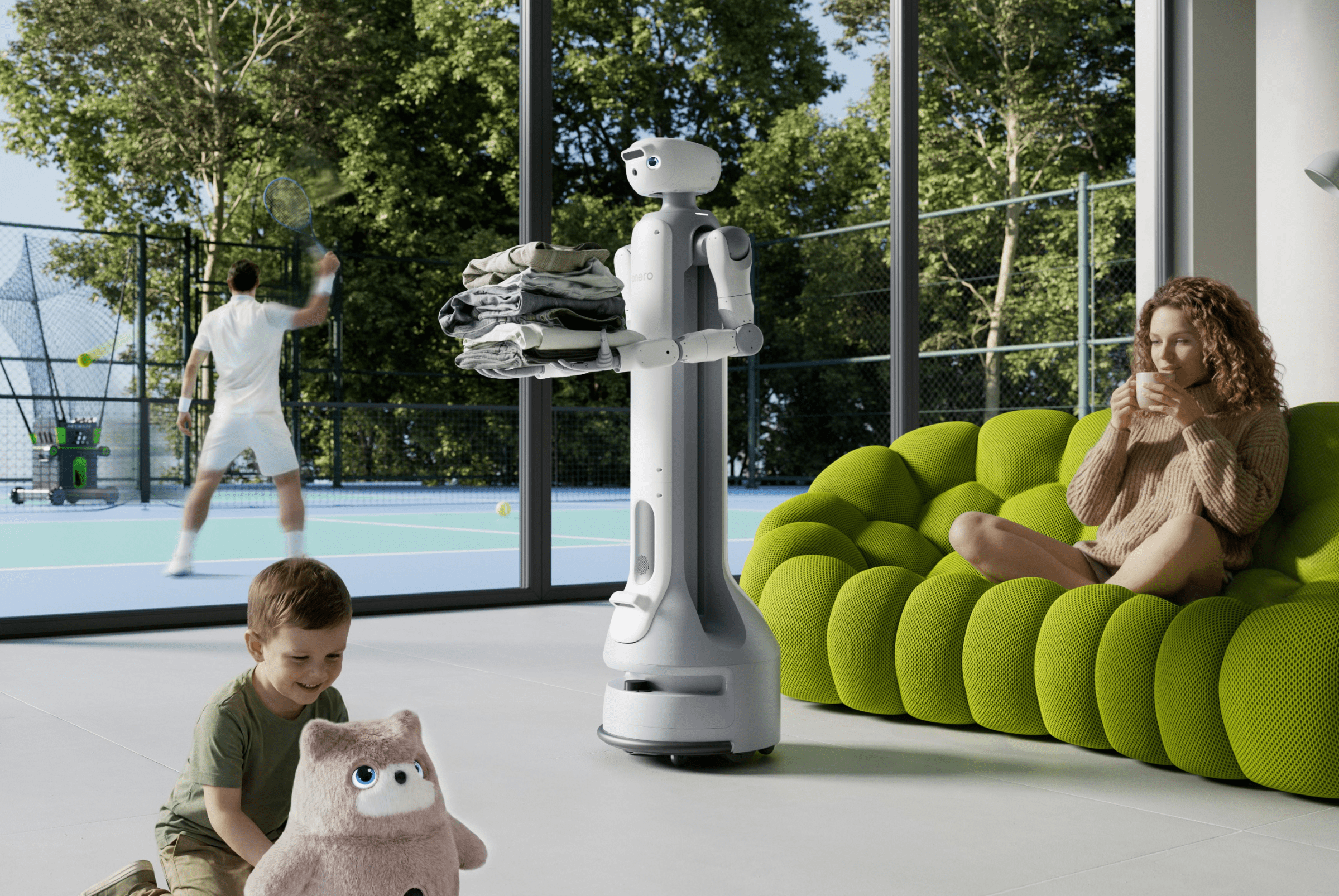
For decades, we have been promised a Rosie the Robot for our homes, and SwitchBot might finally be delivering. The Onero H1 is a humanoid household robot on wheels designed to tackle the chores we hate most. Unlike single-purpose vacuums, this generalist bot features articulated arms, hands, and a face, boasting 22 degrees of freedom to grasp, push, and organize objects.
Using an on-device OmniSense vision-language-action (VLA) model, the Onero H1 can perceive depth and tactile feedback to adapt to different scenarios. Demos showed the robot filling a coffee machine, washing windows, and impressively, loading a washing machine and folding clothes.
2. Lenovo ThinkPad Rollable XD
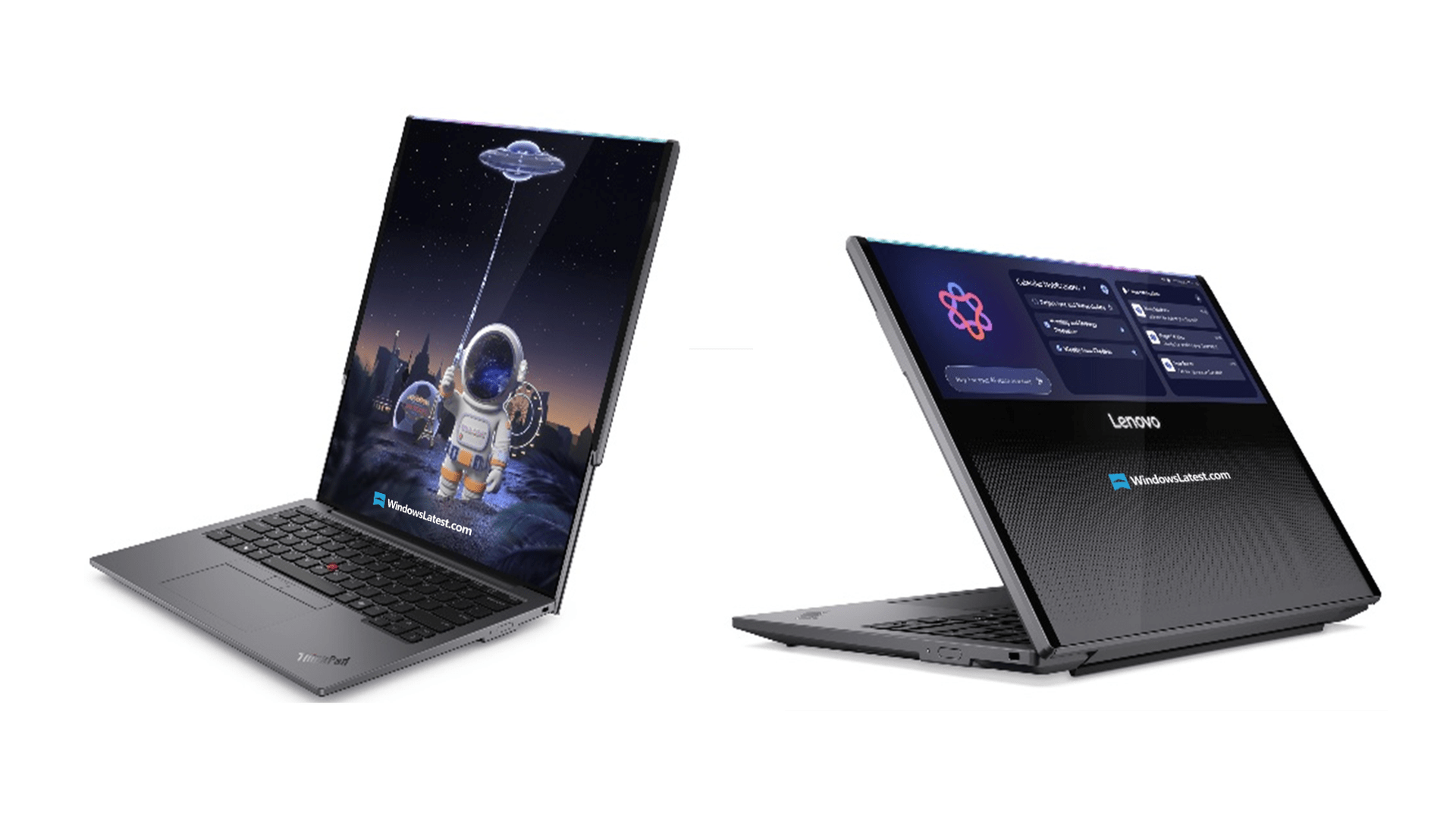
Lenovo continues to push form factors with the ThinkPad Rollable XD Concept, a laptop that reimagines screen real estate. This device transforms from a compact 13.3-inch display to a spacious 16-inch workspace by extending the screen upwards.
It is one of the world’s first out-folding devices, featuring both a user-facing expanding screen and a world-facing display for presentations. The durability is managed by a transparent Gorilla Glass Victus 2 cover, allowing users to see the mechanical rolling action inside. It supports AI-driven features like live translation and lid-closed interactions.
3. Razer Project Motoko: Smart Glasses in Headphone Form

Razer took a surprising turn with Project Motoko, asking: what if you didn’t need glasses to access AI vision? These over-ear headphones feature 12MP Sony 4K cameras embedded in the ear cups. The device is designed to be an “AI-agnostic” wearable that allows users to ask questions about what they are looking at without wearing frames on their face.
Powered by a Snapdragon chip, Project Motoko promises up to 36 hours of battery life—significantly longer than current smart glasses. While currently a concept, Razer claims it will eventually become a consumer product priced competitively against Ray-Bans.
4. Jackery Solar Mars Bot: The Autonomous “Power Puppy”
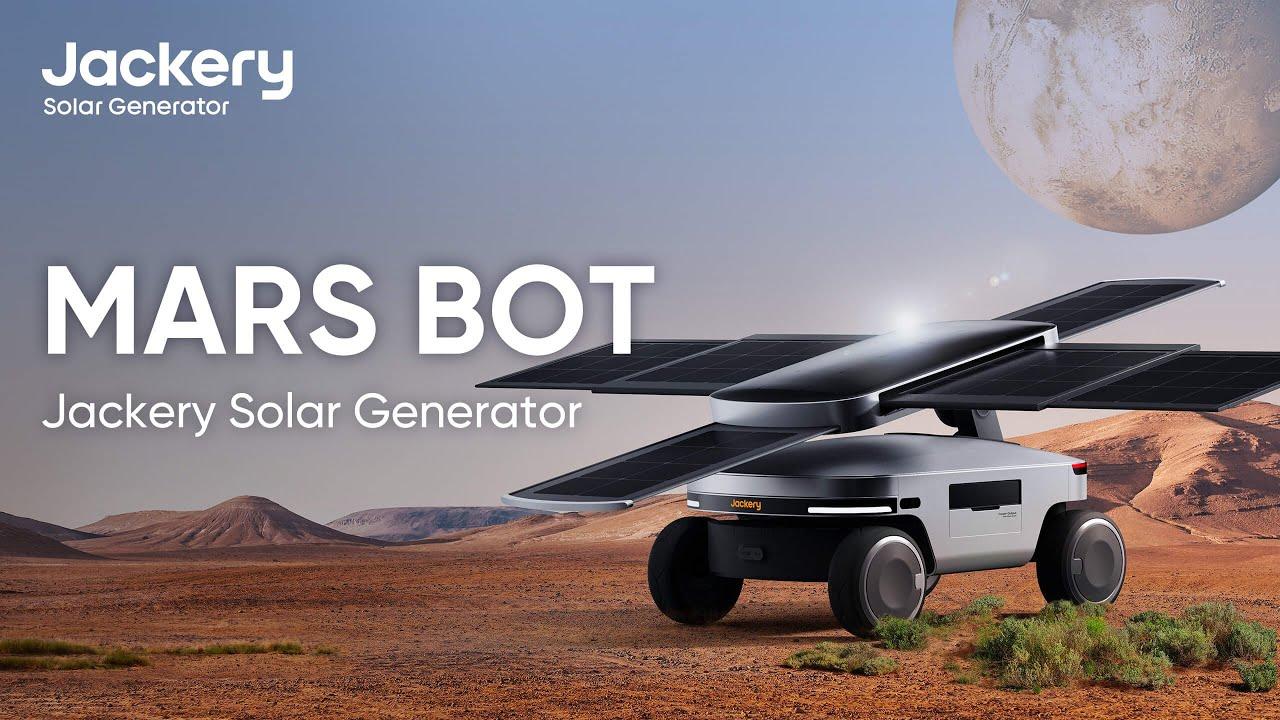
Portable power stations are usually heavy bricks you lug around, but Jackery has changed that with the Solar Mars Bot. This autonomous robot features wheels and retractable solar panels, allowing it to roam your backyard or campsite hunting for sunlight to charge its 5kWh battery.
Described as a “cute little power puppy,” it uses cameras to track and follow its owner, ensuring power is always within reach. It can even follow other robots to top them up, making it a mobile energy grid for the AI era.
5. ROG XREAL R1 Gaming Glasses
For gamers who want a massive monitor without the desk space, the ROG XREAL R1 glasses offer a 171-inch virtual screen. These are the world’s first 240Hz micro-OLED FHD gaming glasses, designed to provide silky-smooth visuals for competitive gaming on handhelds like the ROG Ally or smartphones.
The glasses feature an “Anchor Mode” powered by 3D depth-of-field technology, which pins the screen in virtual space so it doesn’t move when you turn your head. This allows for a multi-monitor feel where you can look away at the real world and look back at your game instantly.
6. Lucid, Nuro, and Uber Robotaxi

A major collaboration between Lucid, Nuro, and Uber has birthed a new luxury robotaxi. Built on the Lucid Gravity platform, this Level 4 autonomous vehicle features a “halo” roof module for sensors and external LED signage that identifies riders by their initials.
The interior is designed specifically for Uber riders, featuring a spacious cabin for six passengers and interactive screens for controlling climate and music. Testing is already underway in the San Francisco Bay Area, with Nuro providing the “AI driver” technology.
7. Withings Body Scan 2: A Longevity Station
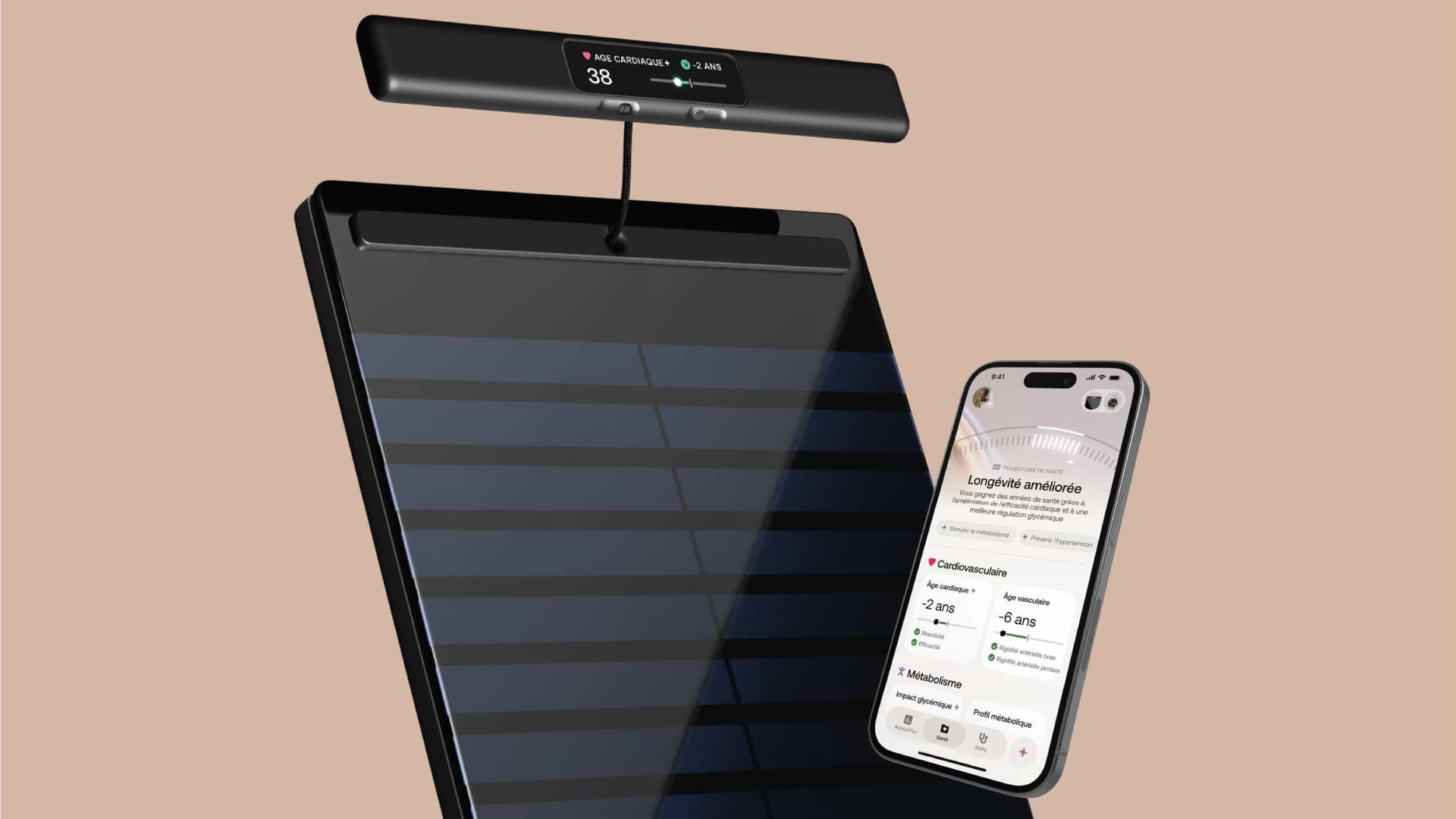
Withings is moving beyond weight tracking with the Body Scan 2, a $600 “longevity station.” This smart scale uses a retractable handle with electrodes to measure over 60 biomarkers in just 90 seconds, including nerve activity and arterial stiffness.
It introduces new metrics like “Health Trajectory,” which predicts how fast your body is aging compared to your chronological age. It also screens for early signs of glycemic dysregulation (a precursor to diabetes) and hypertension, aiming to catch chronic issues while they are still reversible.
8. Lego Star Wars “Smart Bricks”
Lego is modernizing its classic sets with Smart Bricks, debuting in three new Star Wars sets: Darth Vader’s TIE Fighter, Luke’s X-wing, and the Throne Room Duel. These interactive bricks include accelerometers, light sensors, and synthesizers that react to how you play.
While the technology brings graphics and sounds to the physical builds, it has sparked a “revolt” among fans due to high pricing—the Throne Room set costs $159.99. Despite the controversy, it represents the most significant tech evolution in Lego’s 50-year history.
9. WheelMove: Instant Electric Wheelchair Conversion
Winning accolades for accessibility, WheelMove is a portable attachment that converts any standard wheelchair into an electric one. The device attaches to the front of a chair, lifting the front casters off the ground, and provides a motorized range of 15 miles.
Priced around €5,000, it includes a remote control and can tackle rough terrains like gravel and cobblestone, offering newfound independence for travelers who rely on rented manual wheelchairs.
10. The Clicks Communicator
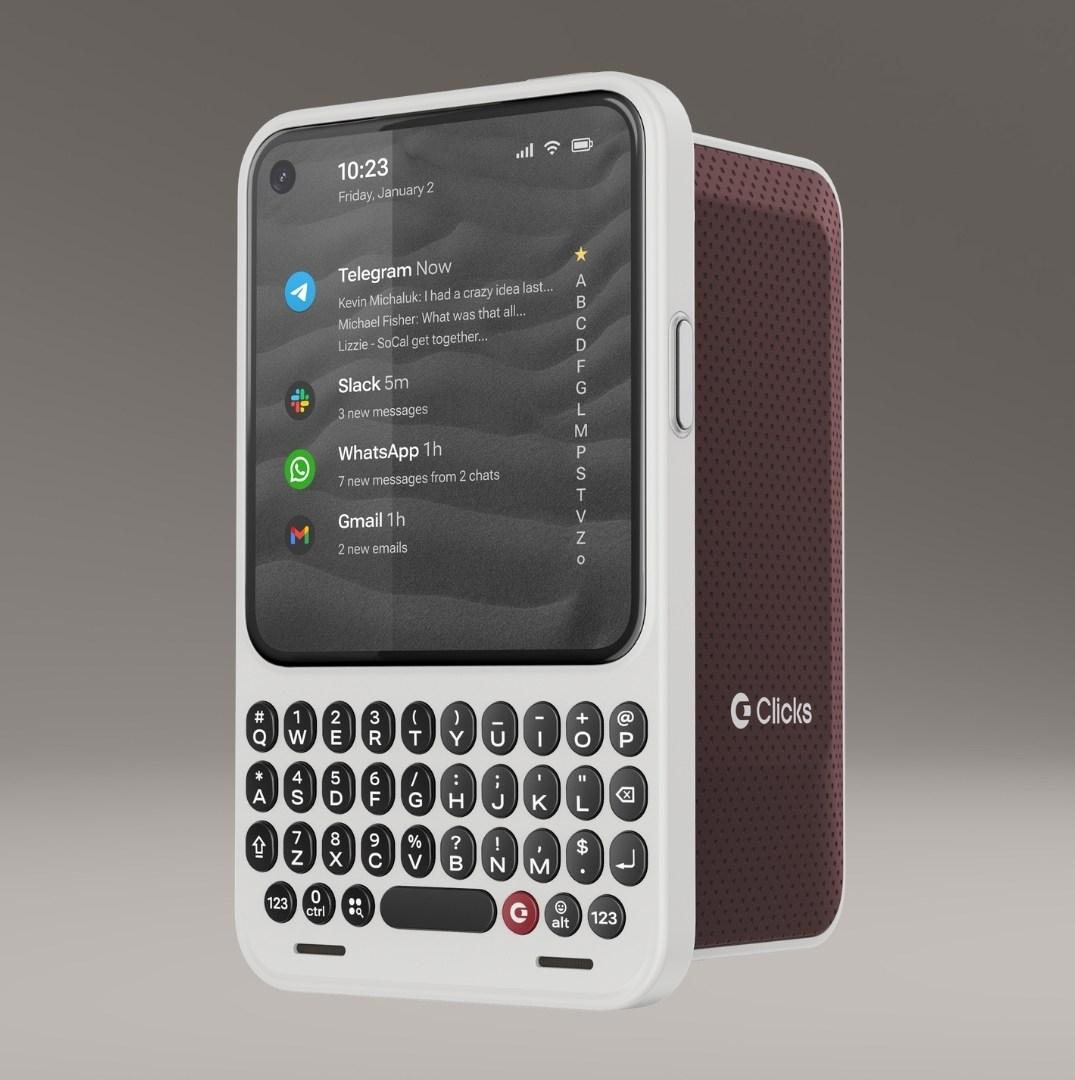
In a rejection of the all-screen smartphone era, the Clicks Communicator is a dedicated secondary device for focused communication. It features a physical, BlackBerry-style keyboard, a small 4-inch square screen, and nostalgic features like a customizable RGB notification light and a headphone jack.
Designed to run Niagara Launcher, it is built to reduce “doomscrolling” by focusing entirely on messaging and quick tasks. It is not meant to replace your phone, but to serve as a distraction-free companion.
11. Razer Project Ava: The Holographic Companion
Razer’s Project Ava puts an “anime waifu” on your desk. This 5.5-inch holographic capsule displays animated avatars—like Kira (an anime girl) or Zane (a tattooed fighter)—that interact with you via eye-tracking and facial recognition.
The AI can “see” what is on your computer screen to offer gaming coaching or shopping advice. While the demo used Grok, Razer plans for the system to be AI-agnostic. However, early reception has been mixed regarding the “flirty” nature of the avatars.
12. Samsung Slim 3D Display
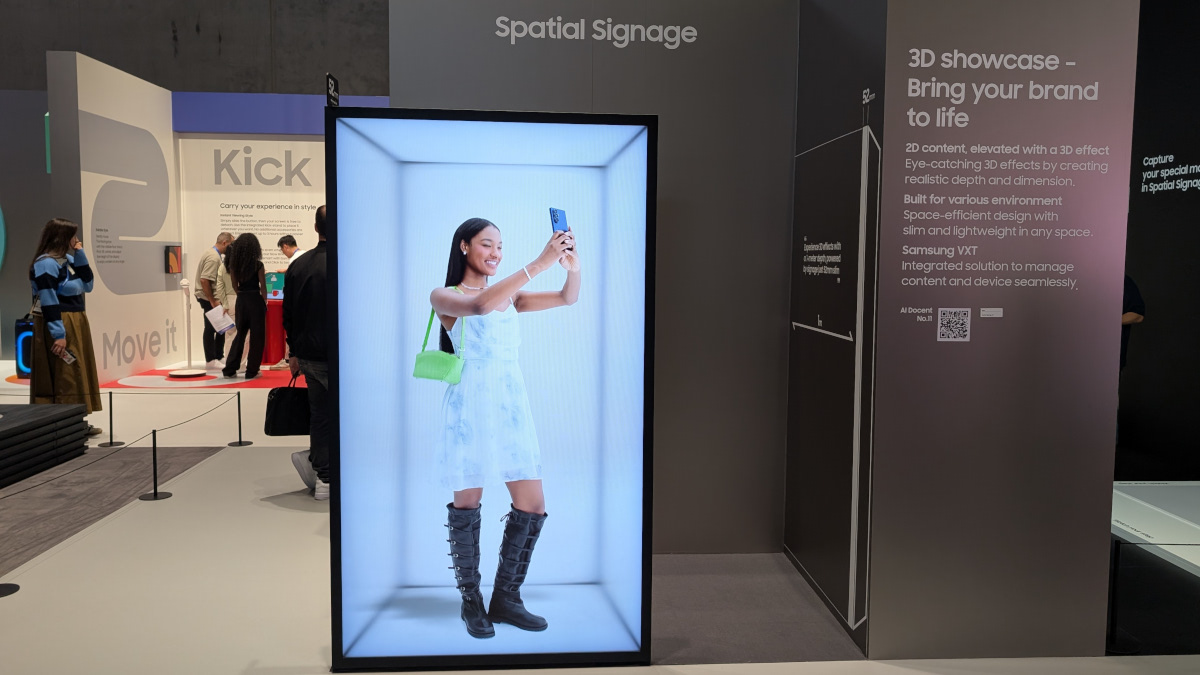
Samsung teased the future of monitors with a mysterious Slim 3D Display. Unlike bulky predecessors, this ultra-thin screen offers a glasses-free 3D experience, likely utilizing eye-tracking or light-field technology to create depth.
Though details are scarce, the display maintains high brightness and clarity, targeting gamers and professionals who need immersive visualization without the headset.
13. Lenovo’s Ecosystem Concepts (Glasses, Hub, & Accessories)
Beyond the rollable laptop, Lenovo unveiled a suite of AI concepts:
- Lenovo AI Glasses Concept: A wearable display tethered to your phone that offers “Catch Me Up” notification summaries and live translation.
- Personal AI Hub (Project Kubit): An edge-cloud device housing two AI workstations to process data across all your home devices locally.
- Smart Sense Display: A 27-inch hub that auto-connects to phones and tablets for seamless file dragging and cross-device control.
- Sustainable Accessories: A Self-Charging Kit (mouse and keyboard) powered by indoor light, and an Adaptable Keyboard with adjustable key actuation for switching between typing and gaming.
14. 8BitDo Flip Pad
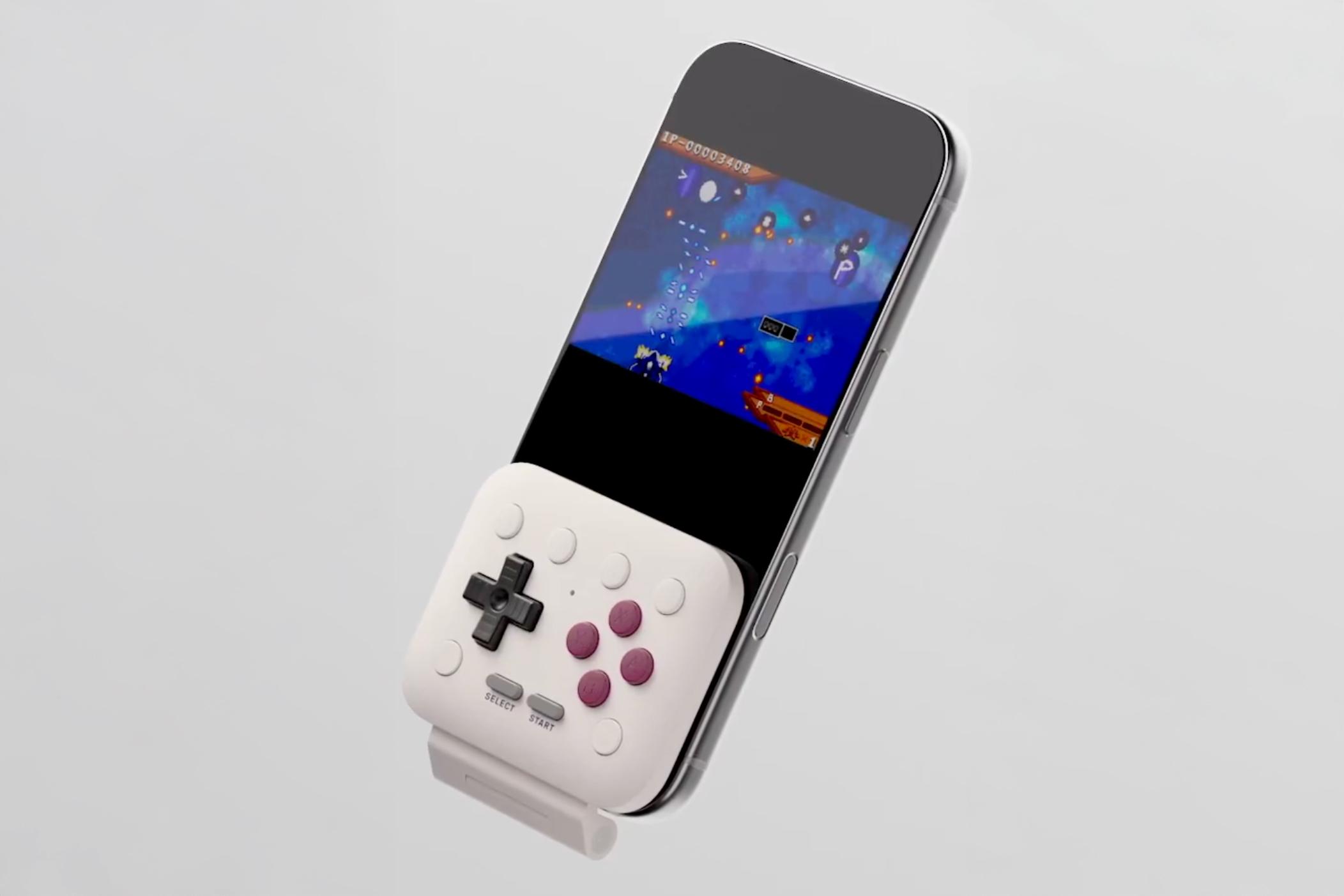
For mobile retro gamers, the 8BitDo Flip Pad is a portable controller designed specifically for Android emulators. It clips onto a smartphone in a “flip” configuration, leaving the top half of the screen visible for gameplay—mimicking the form factor of a Game Boy Advance SP or DS.
The controller is ultra-thin but retains “clicky” buttons and features a rubber underside to protect the phone screen. It connects via USB-C and is slated for a Summer 2026 release.
15. The “Brains” Behind the Machines: Qira, Alpamayo, & Gemini
Finally, CES 2026 also housed significant software breakthroughs by various leading tech-giants including Lenovo, NVIDIA, and Google, which launched these AI models:
- Motorola/Lenovo Qira: A system-wide AI assistant that works across phones, PCs, and wearables. It understands context (like seeing your flight ticket) to suggest actions without opening apps.
- NVIDIA Alpamayo: A family of open-source AI models designed to give autonomous vehicles “human-like reasoning.” These models help cars handle rare scenarios by thinking through cause and effect rather than just following rules.
- Boston Dynamics & Gemini: Hyundai announced that Boston Dynamics’ Atlas and Spot robots will now use Google’s Gemini AI. This allows the robots to understand factory environments and reason about how to manipulate objects, moving them from rote repetition to actual intelligent labor.
Key Takeaways
- CES 2026 marked a significant shift towards “embodied AI,” focusing on technology that interacts physically with the world.
- Innovations ranged from practical household robots like the SwitchBot Onero H1 to advanced AI-powered wearables and displays.
- Form factor innovation was prominent, seen in devices like the Lenovo ThinkPad Rollable XD Concept and Razer’s Project Motoko headphones.
- Accessibility and specialized use cases were highlighted with products like WheelMove and the 8BitDo Flip Pad.
- Significant advancements in AI software, such as NVIDIA’s Alpamayo and Google’s Gemini integration with Boston Dynamics robots, underscored the intelligence driving these physical manifestations.
Join our community by subscribing to our Weekly Newsletter to stay updated on the latest AI updates and technologies, including the tips and how-to guides.
(Also, follow us on Instagram (@tid_technology) for more updates in your feed and our WhatsApp Channel to get daily news straight to your Messaging App).