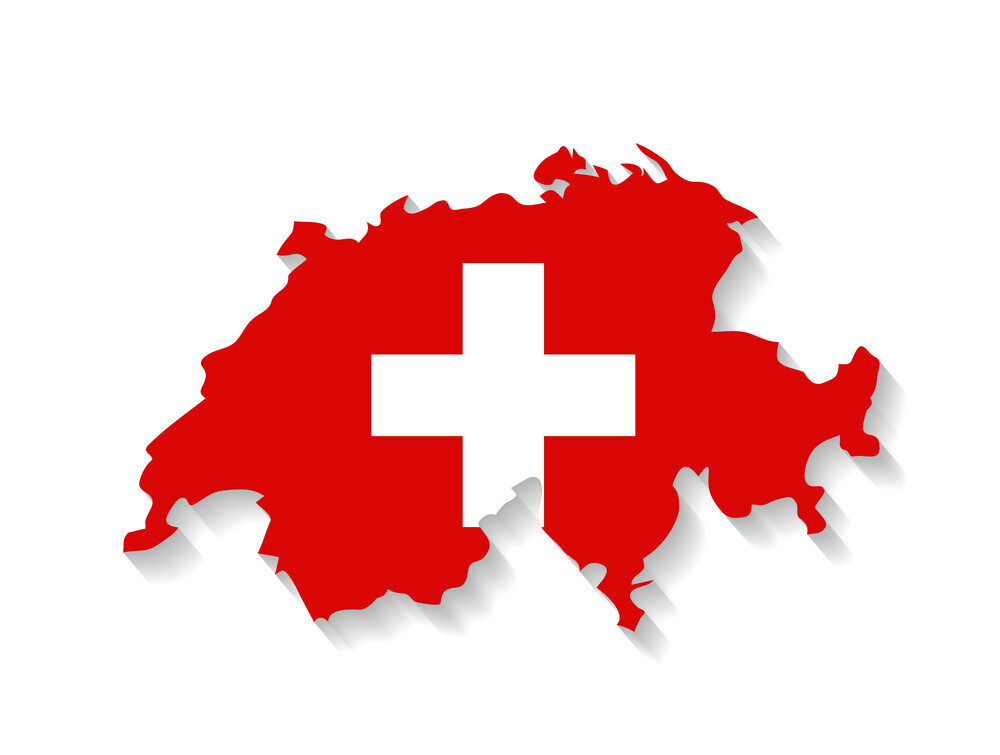
While Switzerland is globally renowned for its exquisite chocolates and delectable cakes, it also stands as a powerhouse in education. Recognized by the World Economic Forum as the ‘Best Education System in the World 2020’, Switzerland attributes this esteemed reputation largely to its robust primary education and dedicated teachers. The nation’s philosophy of ‘Quality, not Quantity’ has propelled its literacy rate to an impressive 99%, further bolstered by its commitment to compulsory education. Curious about how Switzerland achieves such high educational standards? Let’s delve deeper.
Structure of the Swiss Education System
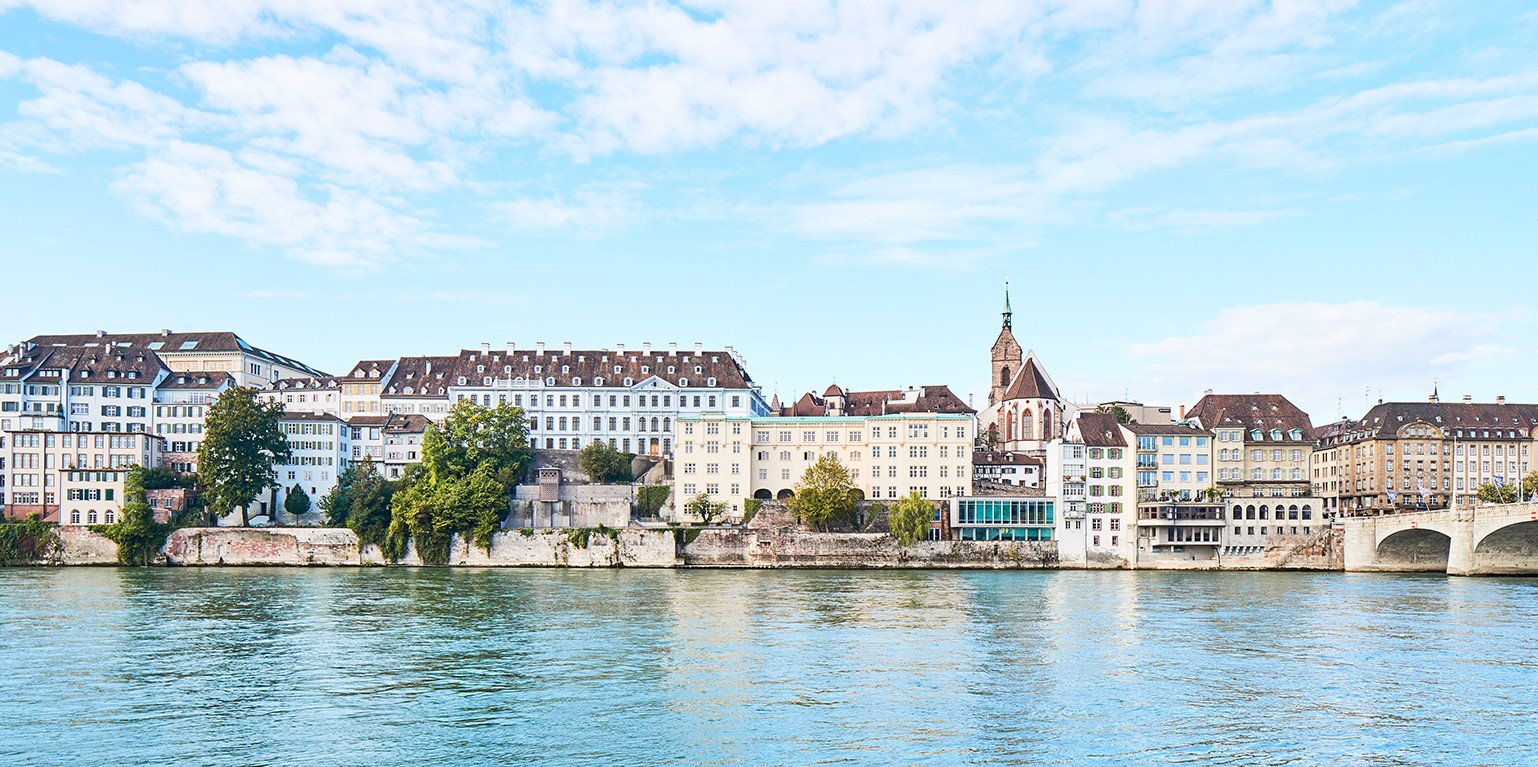
Switzerland’s education system, while structured, exhibits unique variations across its 26 cantons. Each canton, as a member state of the Swiss Federation, possesses the autonomy to tailor its educational approach, ensuring optimal quality. This decentralization means cantons develop their own curricula, teaching resources, and even specialized subjects. Children typically begin compulsory education at age six in Switzerland, though one canton permits enrollment at five years and three months. For younger children, kindergartens offer play-based learning opportunities. Historically, the University of Basel, established in 1460, stands as Switzerland’s oldest university.
The Swiss education framework is generally divided into primary, secondary, and tertiary levels. A significant emphasis is placed on primary education, recognized for its crucial role in nurturing young, developing minds. A key characteristic of the Swiss system is the federal mandate for a minimum of nine years of compulsory schooling for all students.
Swiss Primary Education System
In Switzerland’s primary education system, which typically caters to children from ages 6 to 15, student placement often considers their primary language, whether German, Italian, or French, reflecting the country’s linguistic diversity.
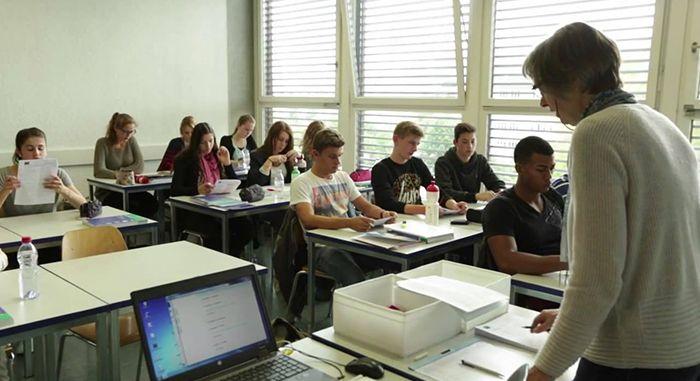
Swiss primary schools prioritize fostering students’ interests by offering diverse extracurricular activities. This approach encourages children to explore various fields, helping them discover their aptitudes and potential career paths. At the conclusion of primary education, students typically undergo an assessment that helps categorize them for secondary education. This categorization in most cantons is determined by three key indicators:
- Teacher’s evaluation of the student’s performance and engagement in primary school activities.
- Results from tests or examinations conducted at the culmination of primary education.
- Parental or guardian recommendations, often considered alongside the child’s self-assessment.
Upon completing primary education, students are guided into different secondary education tracks, such as Pre-Higher Secondary School, General Section, or Basic Section, based on the aforementioned indicators and their individual aspirations. Interestingly, approximately 45% of teachers in Switzerland are female.
Exploring Secondary Education in Switzerland
Upon entering secondary education, students typically choose between academic pathways, which often involve preparing for the Mittelschule and Matura exams for university admission, or vocational training. The Swiss dual-system approach uniquely values both academic and vocational education equally, a stark contrast to many other nations. Swiss vocational programs are federally regulated and involve a collaborative effort with private businesses that provide practical, on-the-job training opportunities. Successfully passing the Matura exam grants students direct access to all Swiss universities.
Top Universities and Higher Education in Switzerland
A significant factor contributing to Switzerland’s reputation for quality education is its renowned university system, including its advanced MBA programs. The country boasts 12 universities in total: ten cantonal universities managed by the individual cantons, and two federal institutes of technology.
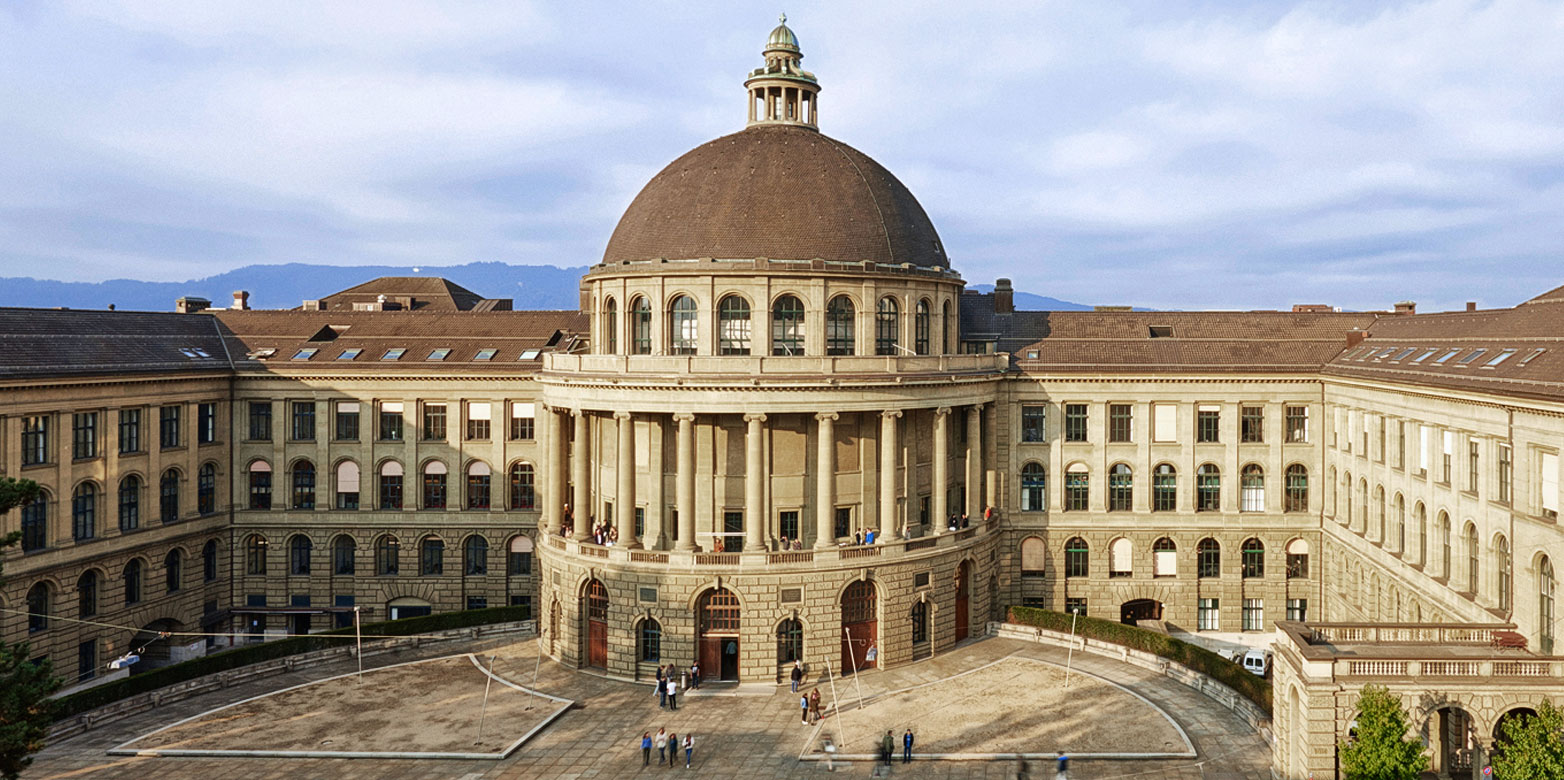
Switzerland is home to world-renowned universities that attract a significant number of international students. On average, nearly 36% of university graduates are foreign nationals. Furthermore, leading institutions such as the Federal Institute of Technology Lausanne (EPFL), the University of Geneva, and ETH Zurich (Swiss Federal Institute of Technology Zurich) often see their foreign student population range between 40% to 50%. Notably, the iconic physicist Albert Einstein, celebrated for his E=mc2 equation, was an alumnus of ETH Zurich University in Switzerland.
The High Quality of Swiss Teachers
- Most teachers are required to hold a bachelor’s degree and an ESL (English as a Second Language) certification to advance in their teaching careers.
- All prospective teachers in Switzerland must obtain a valid work permit.
- Reflecting a preference for native educators, only about 6% of teachers in Switzerland are foreign nationals.
Remarkably, Swiss teachers are among the highest paid globally, earning approximately $5,666 per month (equivalent to ₹418,000/month).
- The Swiss system offers around 30 distinct degree programs for teacher training across various school education levels.
- For all English teachers nationwide, TELF (Teaching English as a Foreign Language) certification is a mandatory requirement.
Unique Aspects of Swiss Education
- Notably, only about 2% of the Swiss population chooses private schooling, a stark contrast to countries like India where approximately 53% of students attend private institutions.
- Switzerland features the standardized ‘Matura’ examination, which grants successful students direct and free access to all universities within their canton.
- Unlike some educational systems where breaks might hinder academic continuity, the Swiss system generally allows students to resume their schooling at various points, provided certain criteria are met.
- Swiss cantons also operate specialized schools that offer free education to children facing financial difficulties, often extending this support until the student reaches 20 years of age. This commitment underscores the nation’s dedication to its ‘9-years compulsory education’ policy.
- Homeschooling is relatively rare in Switzerland, with regulations varying significantly by canton; in some areas, it is even considered illegal.
You might also be interested in: Why Finland has the Best Education System?
Conclusion: The Swiss Educational Advantage
It is undeniable that teachers play a pivotal role in shaping students’ futures, a fact fully embraced by Switzerland. A significant portion of Swiss students, particularly those in vocational tracks, are actively encouraged to pursue teaching careers. This focus on high-quality educators contributes to Switzerland’s impressively low average unemployment rate of 4.08%. Swiss students consistently perform well, ranking within the top 20 in the PISA (Programme for International Student’s Assessment) test by OECD, a global evaluation involving 74 countries. Additionally, organizations based in Switzerland have been honored with the Nobel Peace Prize nine times. For further reading, consider: Education Happening in Current India
References:
- https://www.academics.com/guide/higher-education-switzerland
- https://www.theguardian.com/teacher-network/teacher-blog/2014/sep/05/how-the-job-of-a-teacher-compares-around-the-world
- https://gbsge.com/news/news/newsroom/vote-swiss-best-education-system-world/
- https://en.wikipedia.org/wiki/Education_in_Switzerland
- https://borgenproject.org/education-in-switzerland/
Join our community by subscribing to our Weekly Newsletter to stay updated on the latest AI updates and technologies, including the tips and how-to guides. (Also, follow us on Instagram (@inner_detail) for more updates in your feed). (For more such interesting informational, technology and innovation stuffs, keep reading The Inner Detail).