

The medical field continually adopts cutting-edge innovations and inventions designed to enhance patient diagnosis, improve treatment outcomes, and boost overall healthcare effectiveness. Modern technologies, such as advanced robotic surgeries and sophisticated diagnostic methods, are actively transforming the healthcare landscape, providing significant assistance to medical professionals. A recent groundbreaking study, published in the European Heart Journal, unveils a surprising development: the potential for using selfies to detect heart disease. This pioneering research suggests that analyzing an individual’s selfies with a sophisticated deep-learning algorithm could help identify the risk of Coronary Artery Disease (CAD).
Unlocking Early Detection: Can Selfies Identify Heart Disease Risk?
This pioneering study, featured in the European Heart Journal, represents the world’s first exploration of using facial images for cardiac risk assessment. The research confirms that analyzing as few as four selfies or photographs with a specialized deep-learning computer algorithm could be sufficient to assess an individual’s susceptibility to heart disease.

This innovative deep-learning algorithm serves as a promising preliminary screening tool, highly capable of identifying individuals within the general population who may face a heightened risk of heart disease. Its application streamlines the diagnostic process by effectively flagging those who would most benefit from further clinical investigations and comprehensive medical evaluations, optimizing patient care pathways.
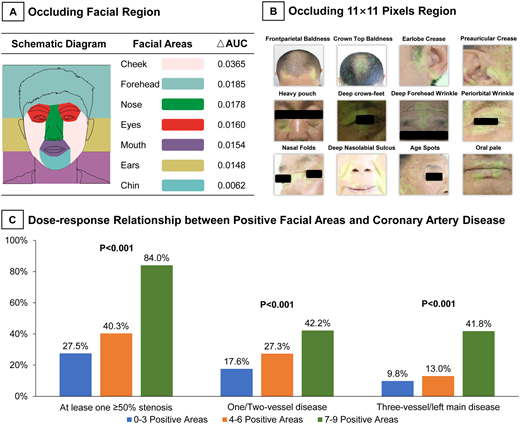
Recognizing Cardiovascular Risk: Key Facial Indicators Identified
For better understanding, xanthelasmata are described as small, yellow cholesterol deposits commonly observed under the skin, particularly around the eyelids. In contrast, arcus corneae refers to fat and cholesterol deposits that appear as a hazy white, gray, or blue opaque ring at the cornea’s outer edges, both potentially indicating underlying health concerns.
“To our knowledge, this marks the first research showcasing the application of artificial intelligence for analyzing distinct facial features to detect early signs of heart disease,” stated Professor Zhe Zheng. As the lead researcher, vice director of the National Center for Cardiovascular Diseases, and vice president of Fuwai Hospital, Chinese Academy of Medical Sciences and Peking Union Medical College, Beijing, People’s Republic of China, Professor Zheng further elaborated: “This advanced deep-learning tool streamlines the initial diagnostic phase for patients, enabling them to capture their own images for a straightforward assessment of heart disease risk. This innovative method holds immense potential to effectively guide subsequent diagnostic testing or clinical consultations, enhancing accessibility and efficiency.”
Delving Deeper: Insights into the Selfie-Based Heart Disease Study
For this comprehensive research, Professor Zhe Zheng and his dedicated team enrolled 5,796 patients sourced from eight diverse hospitals across China. All participants, who were undergoing various imaging procedures, were systematically divided into two distinct cohorts: a robust training group comprising 5,216 patients (90%) and a smaller, yet crucial, validation group consisting of 580 patients (10%).
Empowering Individuals: Vision for a Selfie-Based Heart Health Assessment Tool
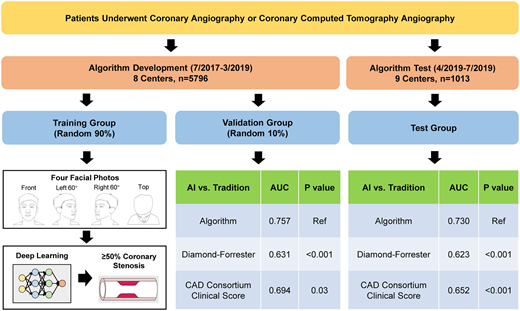
Adhering to the stringent study protocol, trained research nurses meticulously captured four distinct facial photographs of each participating patient using high-resolution digital cameras: one frontal view, two specific profile views, and one image from the top of the head. Simultaneously, they conducted in-depth interviews to collect crucial demographic data, lifestyle habits, and comprehensive medical histories. Subsequently, expert radiologists meticulously analyzed the patients’ angiograms, precisely determining the severity of heart disease by assessing the number and exact location of blood vessels narrowed by 50% or more (≥ 50% stenosis). This extensive and diverse dataset proved instrumental in the robust creation, training, and rigorous validation of the advanced deep learning algorithm.
Deep Learning Insights: Core Findings from the Selfie Heart Study
The deep learning algorithm demonstrated a notable performance in predicting the likelihood of heart disease, surpassing traditional diagnostic methods by accurately identifying:
- Heart Disease Presence (Sensitivity): The advanced deep learning algorithm accurately identified existing heart disease in 80% of cases across both the validation and test groups, showcasing strong sensitivity.
- Heart Disease Absence (Specificity): For identifying the absence of heart disease, the algorithm achieved 61% accuracy in the validation group and 54% in the test group, indicating areas for specificity improvement.
While these initial findings are promising, the study’s moderate performance, particularly regarding specificity (the ability to correctly identify the absence of heart disease), especially in the training group (where 46% were incorrectly flagged), underscores the critical need for further algorithm refinement. Improving this aspect is paramount to minimize unnecessary patient anxiety and avoid unwarranted inconvenience. As it stands, this could potentially lead to an excessive burden of follow-up check-ups for individuals who are not genuinely affected by the condition, a significant challenge that demands resolution before broader clinical application can be achieved.
Innovating Healthcare: Opportunities and Ethical Considerations in AI Diagnosis
Utilizing selfies as a preliminary screening method presents a straightforward and highly efficient pathway for directing the general population towards more thorough clinical evaluations for crucial heart health. This innovative approach holds significant relevance, especially for global regions facing limited healthcare funding or underdeveloped screening programs for prevalent cardiovascular diseases, by providing an easily accessible initial assessment tool that can bridge existing gaps.
Selfies could also be a Perfect tool for identifying Narcissists: An another research reveals
For additional context, Narcissistic Personality Disorder (NPD) is a recognized mental health condition characterized by an exaggerated sense of self-importance, a pervasive need for excessive attention and admiration, significant challenges in forming stable interpersonal relationships, and a noticeable lack of empathy for others.
Professor Zhe Zheng’s paper thoughtfully addresses various potential threats associated with this groundbreaking study, primarily emphasizing the algorithm’s current limitation of low specificity. This particular drawback could inadvertently facilitate the misuse of sensitive health information, potentially leading to discriminatory practices. The emerging ability to discern an individual’s personal health data merely by analyzing their facial features presents a significant potential threat to individual data protection, posing serious implications for areas like insurance eligibility and other related options, underscoring the urgent need for robust ethical guidelines.
Advancing AI Tools: The Path to Enhanced Efficiency and Accuracy
References:
- https://academic.oup.com/eurheartj/advance-article/doi/10.1093/eurheartj/ehaa608/5895430
- https://academic.oup.com/eurheartj/advance-article/doi/10.1093/eurheartj/ehaa640/5895010
Join our community by subscribing to our Weekly Newsletter to stay updated on the latest AI updates and technologies, including the tips and how-to guides. (Also, follow us on Instagram (@inner_detail) for more updates in your feed).
(For more such interesting informational, technology and innovation stuffs, keep reading The Inner Detail).






Pingback: Exploring AI: What AI have done so far to this World? – The Inner Detail