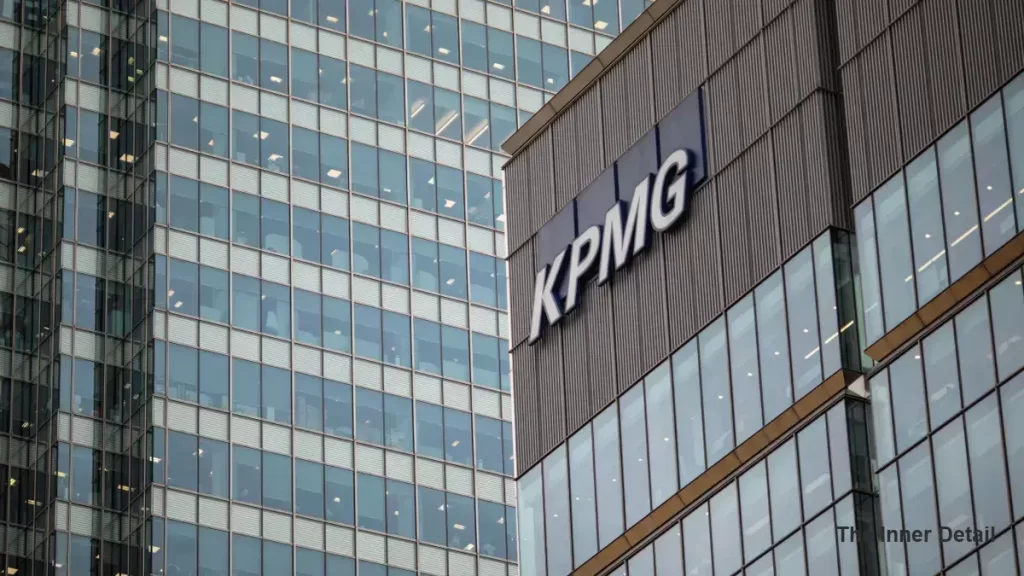
In the intricate world of taxation, where codes stretch into thousands of pages and regulations evolve with dizzying speed, the drafting of complex tax advice has long been a labor-intensive, expert-driven endeavor. It demands not just knowledge, but deep understanding, meticulous analysis, and the ability to synthesize vast amounts of information into actionable guidance. Here comes KPMG’s new TaxBot, a sophisticated AI agent poised to revolutionize this process, capable of drafting comprehensive tax advice in a single day.
The secret weapon behind this remarkable feat? A meticulously crafted, 100-page prompt packed with unparalleled expertise, rigorous workflows, and the entirety of Australia’s intricate tax code.
Beyond the Chatbot: Understanding Agentic AI
Before delving into the marvel of the 100-page prompt, it is crucial to understand what distinguishes KPMG’s TaxBot. This isn’t merely a large language model (LLM) responding to a simple query. The TaxBot, dubbed as “AI in Tax” is an example of agentic AI – artificial intelligence designed not just to answer questions, but to actively reason, plan, and execute multi-step tasks autonomously.
Think of it less as a conversational partner and more as a highly capable, albeit digital, junior consultant. It can break down a complex problem, determine the necessary steps to solve it, access relevant information, and then work through those steps to produce a detailed output, much like a human expert would.
The 100-Page Prompt: Engineering Expertise
The true genius behind the TaxBot lies in its unprecedented 100-page prompt. For many, a “prompt” might conjure images of a short question typed into ChatGPT. However, in advanced AI applications, a prompt can be a sophisticated, multi-faceted instruction set. KPMG’s 100-page document is not a series of questions, but rather a comprehensive, detailed blueprint that effectively embeds decades of institutional knowledge and methodological rigor directly into the AI’s operational framework.
This colossal prompt functions as a holistic guide, comprising several critical components:
- Domain Expertise: It includes an exhaustive compendium of KPMG’s deep insights into tax law, common scenarios, nuanced interpretations, and best practices. This is the distilled wisdom of countless human tax experts.
- Workflows and Methodologies: The prompt outlines the precise, step-by-step processes and decision trees that human tax professionals typically follow when drafting advice. It dictates how the AI should analyze a situation, identify relevant laws, consider exceptions, and structure its output.
- Australia’s Tax Code: Critically, the prompt integrates the full complexity of Australia’s tax legislation, ensuring the AI has instant access to and understanding of the rules it needs to apply. This isn’t just about feeding it raw data; it’s about providing the context and hierarchical understanding required to interpret that data correctly.
Essentially, KPMG has engineered a way to “program” an expert’s mind and workflow directly into an AI, allowing it to mimic and even augment human reasoning for specific, complex tasks.
From Prompt to Precision: How the TaxBot Works
When presented with a client scenario, the agentic TaxBot doesn’t just pull information from a generic database. It activates the intricate instructions within its 100-page prompt. It then:
- Analyzes the client’s specific situation, identifying key variables and potential tax implications.
- Navigates the labyrinthine Australian tax code, guided by the embedded workflows to pinpoint relevant sections and precedents.
- Applies KPMG’s proprietary expertise and interpretive frameworks to formulate an initial assessment.
- Drafts a comprehensive tax advice document, structured according to the firm’s established standards, complete with references and caveats.
This entire process, which traditionally could take days or even weeks for a human expert, can now be accomplished in a remarkably short timeframe, drastically reducing turnaround times and freeing human professionals for more strategic, client-facing roles. It is important to note that while the AI drafts the advice, human experts remain in the loop for critical review, refinement, and final sign-off, ensuring accuracy and mitigating risk.
Read this: 15 Ways to use Gemini’s Nano-banana AI with Prompts
The Future is Agentic
KPMG’s TaxBot is more than just an efficiency tool; it represents a significant leap forward in how we leverage AI for complex, expert-driven tasks. It demonstrates the power of meticulous prompt engineering, transforming generic LLMs into highly specialized, proactive agents. This paradigm—embedding deep domain expertise, structured workflows, and comprehensive knowledge into multi-page prompts for agentic AI—holds immense potential across various industries.
From legal document drafting and medical diagnosis support to engineering design and financial analysis, the blueprint laid by KPMG could pave the way for a new era of highly efficient, AI-assisted professional services, fundamentally changing how organizations operate and innovate. The 100-page prompt is not just a document; it’s a testament to the sophisticated fusion of human intelligence and artificial capability, heralding a future where AI truly acts as an extension of expert thought.
Key Takeaways
- KPMG’s TaxBot uses agentic AI to draft complex tax advice quickly.
- The TaxBot is powered by a 100-page prompt containing extensive expertise and workflows.
- Agentic AI, unlike basic LLMs, can actively reason and execute tasks.
- The 100-page prompt includes domain expertise, workflows, and Australia’s tax code.
- This approach can be applied to various industries beyond taxation.