
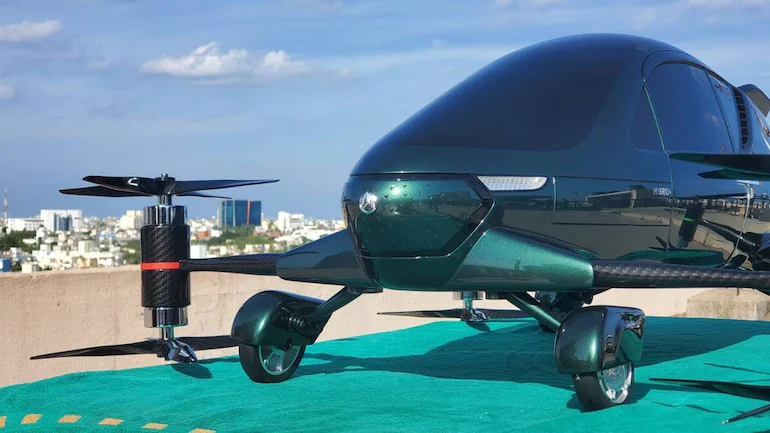
For generations, the concept of flying cars has fueled our imagination, envisioning a future where personal aerial vehicles are commonplace. While various startups worldwide, primarily from the US and Europe, are developing these revolutionary machines, widespread adoption remains a distant dream. However, a significant breakthrough is emerging from Asia, as a Chennai-based startup in India steps into the forefront, developing the next evolution of transportation: the highly anticipated flying car.
Although Bangalore is often recognized as India’s premier ‘tech-hub,’ the groundbreaking innovation of fully autonomous Hybrid Flying Cars has remarkably originated from Vinata Aeromobility, a pioneering startup based in Chennai.
Vinata Aeromobility: India’s Pioneering Flying Car Innovators
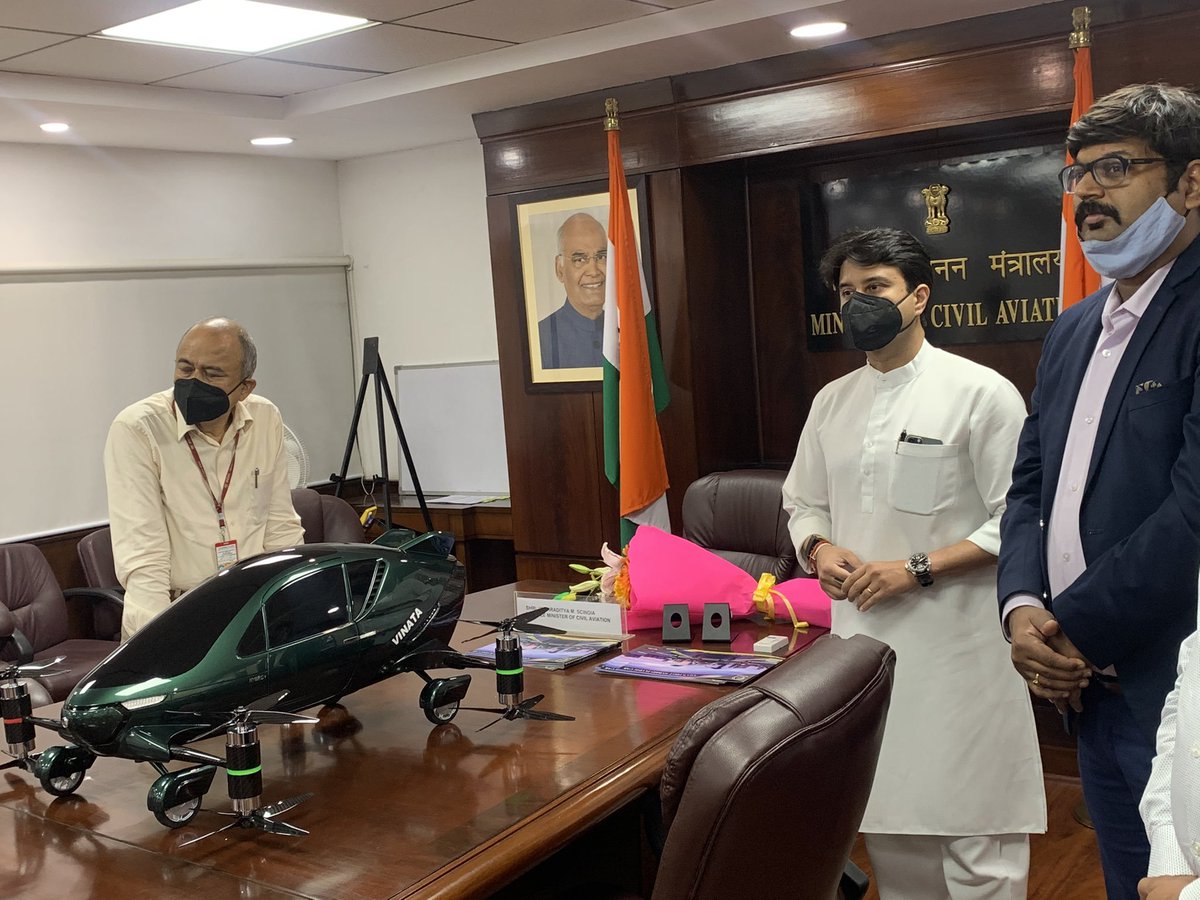
This groundbreaking “flying car” concept, the first of its kind from India, is the brainchild of Vinata Aeromobility, a dynamic Chennai-based startup. The venture is led by its visionary Founder and CEO, Yogesh Ramanathan, also from Chennai. Supporting this ambitious project are Dr. A.E. Muthunayagam, a distinguished Space Scientist from ISRO, serving as Principal Advisor, and Dawn Zoldi, a highly experienced 28-year Air Force Veteran from the USA, who contributes her expertise as the Urban Air Mobility (UAM) Advisor.
The Vinata Flying Car: Design, Specifications, and Capabilities
The Vinata flying vehicle integrates a car-like cabin atop a sophisticated drone, featuring a quad-copter design. It operates with full autonomy, leveraging advanced AI to seamlessly transport passengers to their desired destinations. This innovative flying car is engineered for Vertical Take-off and Landing (VTOL), facilitated by its powerful coaxial quad-rotor system. With an unladen weight of 1,100 kilograms, the Vinata can impressively carry a payload of up to 1,300 kilograms.
Performance-wise, the Vinata is designed to achieve speeds between 100 and 120 kilometers per hour, accommodating up to two passengers. It boasts a maximum flight time of 60 minutes and can reach an impressive altitude of 3,000 feet, making it suitable for a range of urban air mobility applications.
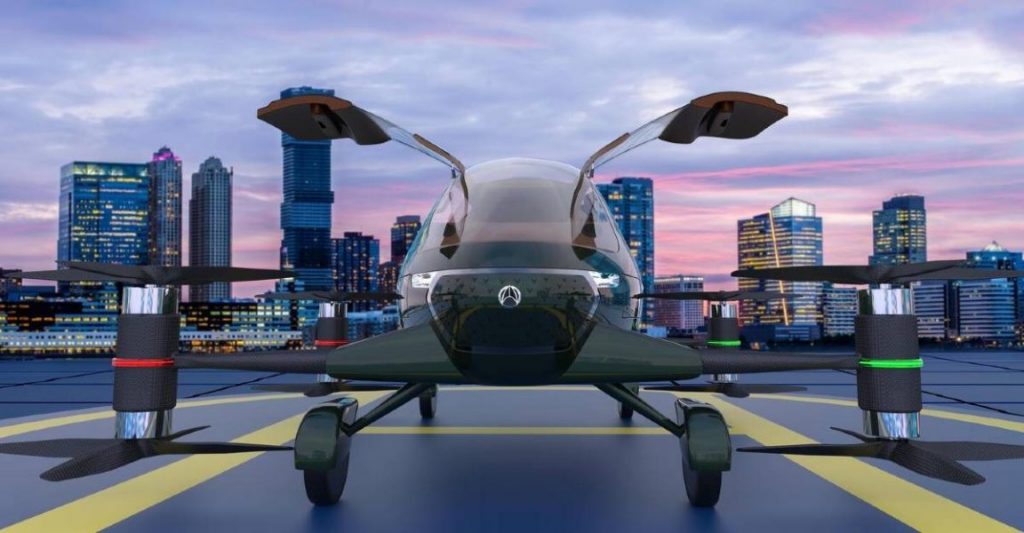
Powering its aerial maneuvers, the rotors are fueled by an electric battery system. For ground travel, the vehicle seamlessly transitions to propulsion via biofuel, highlighting its commitment to sustainable energy. Inside, the Vinata’s cabin features luxurious seating complemented by a panoramic window canopy, offering occupants a breathtaking 360-degree view of their surroundings.
During the vehicle’s concept unveiling, India’s Civil Aviation Minister, Jyotiraditya Scindia, expressed his enthusiasm, stating, “Delighted to have been introduced to the concept model of the soon-to-become Asia’s First Hybrid flying car by the young team of Vinata AeroMobility. Once this takes off, flying cars would be used for transporting people & cargo, as well as for providing medical emergency services.” This statement underscores the potential multifaceted applications of Vinata’s pioneering vehicle.
Related Posts:
The Vinata flying car made its initial public debut at one of the world’s most renowned aviation exhibitions, Excel in London, on October 5, 2021, marking a significant milestone for the Indian startup.
Imagine the excitement of a flying car developed right here in India! Indian innovators are truly pushing the boundaries of future transportation.
Join our community by subscribing to our Weekly Newsletter to stay updated on the latest AI updates and technologies, including the tips and how-to guides. (Also, follow us on Instagram (@inner_detail) for more updates in your feed). (For more such interesting informational, technology and innovation stuffs, keep reading The Inner Detail).