
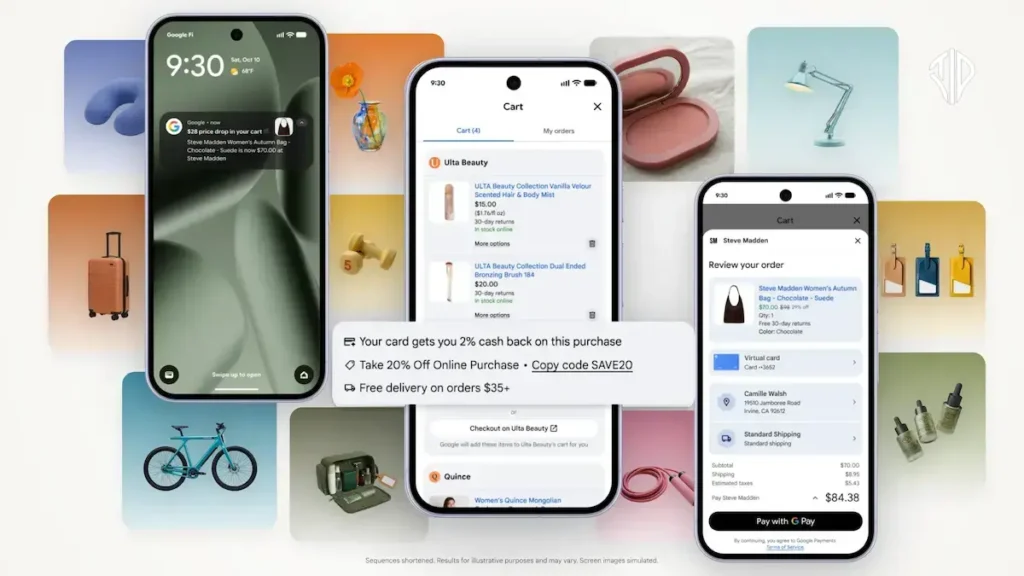
Google is transforming how people buy goods online by rolling out a centralized shopping tool that connects traditional web search with generative artificial intelligence. According to recent industry updates, the feature bridges the gap between casual product discovery and final checkout. It aims to reduce the friction of managing dozens of open browser tabs during a routine online shopping session.
The newly released Universal Cart allows users in the United States to collect, organize, and monitor items they find while browsing through standard Google Search or interacting with the Gemini app. Instead of losing track of a favorite item when closing a window, shoppers can save products directly into a unified space. When they return later, their items and overall shopping progress remain intact for seamless continuity.
How Universal Cart Works Across Google Ecosystems
At its core, the new feature functions as an intelligent aggregator that bridges disparate e-commerce platforms. Traditional online shopping often requires visiting individual merchant websites, creating separate accounts, and maintaining multiple site-specific carts. Google changes this dynamic by letting a user pool items from hundreds of different online retailers into a single interface.
When browsing for a product on a mobile device or desktop browser, users encounter prompts to save items to their shared cart. The integration with the Gemini app means that conversational AI queries can also feed directly into the shopping list. If a user asks the assistant to find the best running shoes under a certain budget, the recommended options can be pinned instantly to the same central hub.
The Technological Shift in Conversational Commerce
This development represents a major step toward genuine conversational commerce, where AI assistants do more than just answer questions. By integrating shopping management directly into an AI assistant, technology companies are attempting to make digital assistants indispensable daily companions. Users no longer need to rely on disjointed bookmark folders or manual screenshots to keep track of prospective purchases.
Behind the scenes, the tool leverages advanced indexing and machine learning algorithms to track inventory levels and pricing fluctuations. As consumers compare items from different vendors, the system maintains real-time data syncs with participating merchants. This reduces the frustration of returning to a saved product only to find it out of stock or significantly altered in price.
Implications for E-Commerce and Retailers
For online merchants, the introduction of a centralized cart controlled by a major technology platform changes the competitive landscape. Retailers must ensure their product catalogs integrate smoothly with search engine indexing standards to remain visible in user collections. While smaller independent shops gain broader exposure through search discovery, they also face intense direct comparison against massive retail conglomerates within a single interface.
Consumers stand to benefit the most from this transparency, as comparison shopping becomes nearly effortless. Organizing potential purchases in one place allows for a more deliberate, less impulsive buying process. As the technology matures and expands beyond initial regional availability, it could redefine standard expectations for digital retail user experiences worldwide.
Key Takeaways
- Google’s Universal Cart bridges web search and generative AI to simplify online shopping and reduce browser tab clutter.
- Users can save and organize products from hundreds of different retailers into a single, unified interface across devices and the Gemini app.
- Advanced machine learning tracks real-time inventory and pricing updates to prevent surprises like out-of-stock items or sudden price hikes.
- Retailers face new competition standards, while consumers enjoy enhanced transparency and a more streamlined comparison-shopping experience.
Join our community by subscribing to our Weekly Newsletter to stay updated on the latest AI updates and technologies, including the tips and how-to guides.
(Also, follow us on Instagram (@tid_technology) for more updates in your feed and our WhatsApp Channel to get daily news straight to your Messaging App).
