
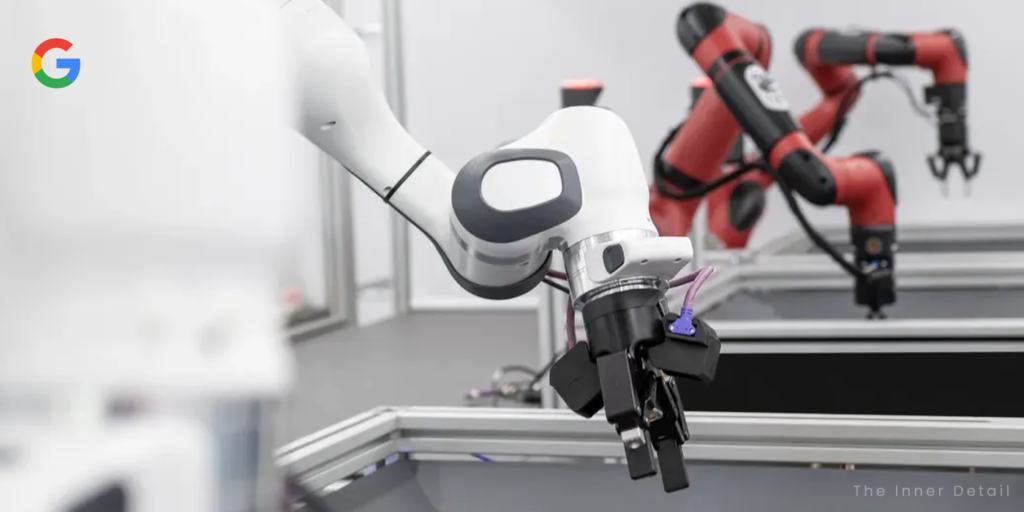
Researchers at Georgia Tech have developed COBALT, a revolutionary platform that allows anyone to control robotic arms remotely using nothing more than a smartphone and an internet connection.
This innovation simplifies complex robotics by turning your phone into an intuitive motion-tracking interface, opening new doors for AI training and global remote work.
Think of controlling a high-end robot the same way you play a motion-sensitive game on your phone. In the past, operating a robotic arm required expensive, bulky hardware or a deep understanding of complex programming languages. Now, the boundary between the physical and digital worlds is blurring, making powerful technology accessible to someone holding a simple mobile device.
This shift is comparable to the transition from professional studio cameras to the high-quality smartphone cameras we carry today. Just as smartphone photography democratized content creation, COBALT is democratizing robotics.
By removing the need for specialized equipment, this technology invites students, hobbyists, and remote workers to engage with complex machinery from thousands of miles away.
Key Takeaways
- COBALT allows remote control of robotic arms using only a smartphone.
- The platform utilizes WebRTC technology to ensure real-time responsiveness with minimal latency.
- It lowers the barrier to entry for robotics, enabling students and hobbyists to operate complex hardware.
- The technology provides a scalable solution for collecting massive amounts of human-led data to train AI algorithms.
How COBALT Works
The brilliance of COBALT lies in its simplicity and responsiveness. Here is how it changes the interaction between humans and machines:
- Motion Mirroring: The app utilizes the sensors already present in your smartphone. When you tilt, rotate, or move your device, the robotic arm mirrors these actions in real-time.
- WebRTC Technology: To ensure smooth operation, the system uses WebRTC—the same technology that powers high-quality video conferencing—to minimize latency, ensuring the robot responds instantly to your touch.
- User-Friendly Interface: The design focuses on intuitive touch controls for tasks like grabbing, moving, and releasing objects, allowing users with zero technical background to succeed immediately.
Empowering AI and Education
Beyond its ease of use, COBALT addresses a critical bottleneck in the tech industry: the need for massive amounts of training data. AI algorithms require extensive human-led examples to learn how to interact with the world effectively.
By creating a global network of smartphone users, researchers can collect diverse, high-quality data to train the next generation of intelligent robots.
Furthermore, the educational implications are profound. In recent demonstrations, high school students successfully operated remote robotic arms, proving that this platform can bridge the gap in schools that lack expensive laboratory equipment.
In the future, this could even extend to commercial sectors, where human operators could assist robots in warehouses or homes whenever the machines encounter a task they cannot complete autonomously.
The COBALT project reminds us that the most significant technological advancements are often those that hide their complexity behind a simple, elegant interface.
By placing the power of advanced robotics in the palm of our hands, Georgia Tech is not just building a new tool—they are building a more inclusive future for automation.
Join our community by subscribing to our Weekly Newsletter to stay updated on the latest AI updates and technologies, including the tips and how-to guides. (Also, follow us on Instagram (@inner_detail) for more updates in your feed).
For more such interesting informational, technology and innovation stuffs, keep reading The Inner Detail.
