

In today’s rapidly evolving world, innovation and continuous improvement are paramount across all sectors. A closer look reveals that education and access to information are the foundational pillars driving these advancements. The significance of these two elements is immense, serving as crucial keys to individual financial freedom and overall national economic growth.
Education has historically played a transformative role, notably uplifting Americans during the economic crisis of the 1930s through the impactful “High School Movement” of the 20th century, and empowering Japan’s remarkable recovery after World War II.
Recognizing education as a universal right, UNESCO has spearheaded a vital global initiative known as ‘Education for All (EFA)’. This program aims to ensure that the entire global population has access to quality education, with a particular focus on regions such as Eastern and Southern Africa.
The Evolution of Education: Adapting to Modern Times
The landscape of education has undergone significant transformation over the past two decades, largely due to the pervasive influence of technology. This technological integration has immensely supported the rise of e-learning and self-directed online education. This shift became profoundly evident during the recent global pandemic, as educational institutions worldwide seamlessly transitioned to virtual classrooms using platforms like Zoom and Google Meet.
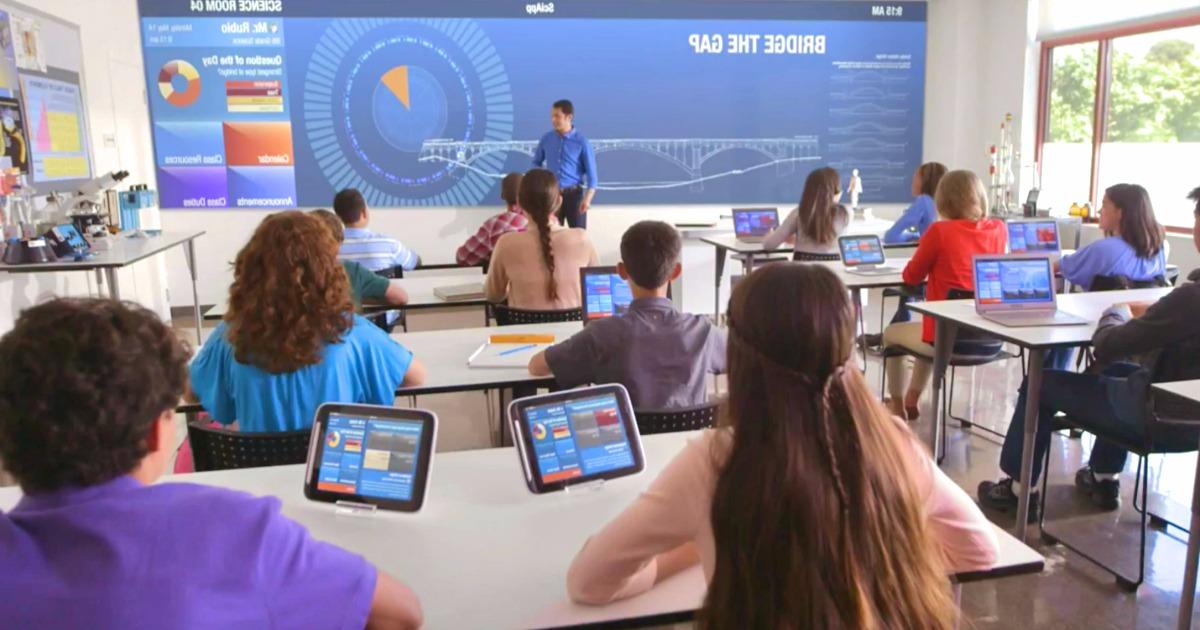
Despite these technological advancements in the education sector, a glaring paradox remains: employment rates have not seen a corresponding significant increase globally, with only a few exceptions. For instance, reports from the OECD in 2018 indicated that the U.S. employment rate stood at merely 60%, while India’s was a concerning 46.3%. Furthermore, Pew reports highlight India’s immense challenge with 18.6 million jobless individuals and 393.7 million working in vulnerable employment. This prompts critical questions: Is the current knowledge base insufficient, or is education failing to meet the actual demands of the job market? What exactly are these evolving demands?
Bridging the Skills Gap: What Modern Industries Demand from Education
Understanding the true demands of education and its outcomes requires examining what global industries and Fortune 500 companies truly seek. Tim Cook, CEO of Apple, famously stated that Apple prioritizes skills over traditional certifications when hiring. This paradigm shift, echoed by other leading companies such as Google, Adobe, and Netflix, has compelled a re-evaluation of the essential skills demanded by today’s workforce and global enterprises.
An individual possessing a four-year professional degree, or even multiple advanced qualifications, might still find themselves unemployable if they lack the practical skills and competencies truly needed by the contemporary world. This is precisely what leading companies emphasize. Consequently, education must evolve beyond mere knowledge transfer to become a vital tool that prepares students with essential skills. Tim Cook further noted that last year, half of Apple’s U.S. employees did not hold a degree, highlighting a significant “mismatch between what is taught in colleges and what is needed by the business.” While educational delivery methods have advanced, their standards and relevance to industry demands have often lagged. To fulfill the needs of both global industries and businesses, colleges and educational institutions must elevate their standards by integrating trending skills and future technologies into their curricula.
Strategies to Align Education with Industry Needs
The traditional educational paradigms, largely unchanged from two decades ago, persist even as technology and innovation rapidly advance. This stagnation in education has unfortunately created a scenario where only the privileged few can truly access and acknowledge the latest technological advancements and skills. Here are actionable strategies to bridge this gap and meet the evolving demands:
- In most countries, education is predominantly government-controlled, even private institutions often adhere to state-imposed curricula. To significantly enhance educational quality and relevance, governments must undertake a comprehensive overhaul of existing curricula to align with present-day industry requirements. A notable example is the adoption of Apple’s curriculum by 4,000 schools in the U.S., as mentioned by Cook. Furthermore, Apple launched its ‘Everyone Can Code Program’ with the aim of equipping students with essential coding skills.
- Four-year professional degrees should be meticulously designed to foster deep specialization, transforming students into masters of their chosen field rather than merely generalists with superficial knowledge.
- A primary contributor to unemployment stems from a lack of vocational skills and the inability to practically apply acquired knowledge. Many students today possess substantial theoretical knowledge but often lack the critical skills needed to implement it effectively.
- The most effective way to overcome this challenge is by integrating practical application of knowledge with robust vocational education. For instance, students should frequently participate in industrial tours to gain firsthand exposure to real-world industrial applications. It is crucial to give equal weight to both theoretical learning and practical, hands-on experience, ensuring students can truly apply what they study.
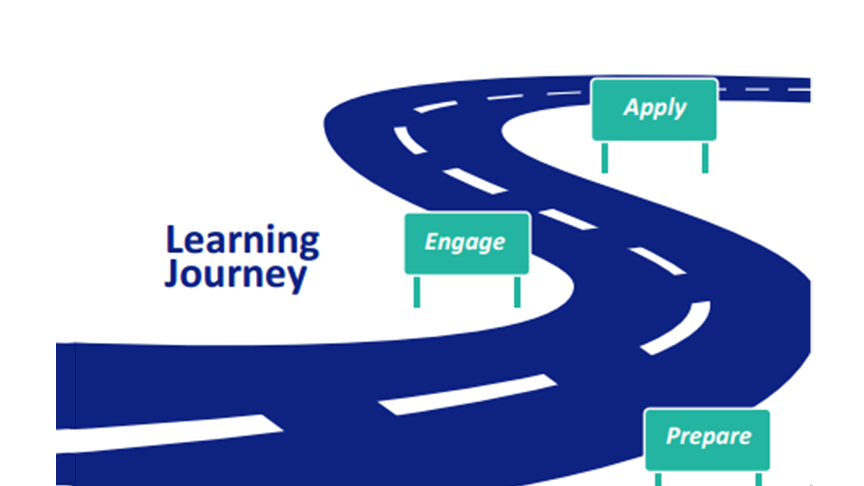
- By adopting these strategies, we can effectively bridge the existing gap between academic education and business demands. Moreover, studies in several countries, including Germany, Denmark, and Switzerland, consistently indicate that vocational education yields more fruitful outcomes than general education alone.
For further insights, explore our article on Modern and Traditional Education.
Conclusion: Charting the Course for Future Education
While vocational education is increasingly gaining prominence over general education, a survey across eleven countries reveals a compelling financial aspect: vocational graduates typically earn more at the outset of their careers, whereas those with general education tend to earn more after the age of 40. This disparity suggests that general education students may lack sufficient practical skills upon graduation, often acquiring industry-specific expertise only after recruitment, leading to lower initial compensation compared to their vocationally trained counterparts. In conclusion, a vital transformation of educational curricula is paramount to align with the evolving needs and demands of industries. The fundamental concept is to seamlessly integrate vocational training with traditional academic approaches, ensuring a balanced and relevant educational experience. Let us collectively strive for an educational system that truly prepares students for the future workforce.
Join our community by subscribing to our Weekly Newsletter to stay updated on the latest AI updates and technologies, including tips and how-to guides. Also, follow us on Instagram (@inner_detail) for more updates in your feed).
For more such interesting informational, technology, and innovation content, keep reading The Inner Detail.




Pingback: Should You really need a Master degree? When, Why, What? – The Inner Detail