
Our planet faces significant pollution challenges from countless small waste materials, often improperly discarded instead of being managed responsibly. This issue notably includes batteries, which are frequently thrown away after their lifespan, rather than being recycled. From remote controls to children’s toys, alkaline batteries in particular present a serious global problem due to improper disposal and handling.
However, an innovative solution has emerged: a method to repurpose used batteries as a beneficial fertilizer for plants. This groundbreaking approach offers a surprising yet effective way to tackle battery waste.
Transforming Waste: Used Batteries as Plant Fertilizer
An Australian startup is pioneering efforts to convert used alkaline batteries into potent fertilizer for crops, effectively diverting them from environmentally damaging landfills and promoting sustainable agriculture.
97% of alkaline batteries are not recycled in Australia.
Instead of being recycled, these batteries often mix with general waste, subsequently ending up in landfills. This improper disposal significantly increases the risk of hazardous chemical leakage from batteries into the soil, leading to severe land pollution, soil contamination, and water pollution.
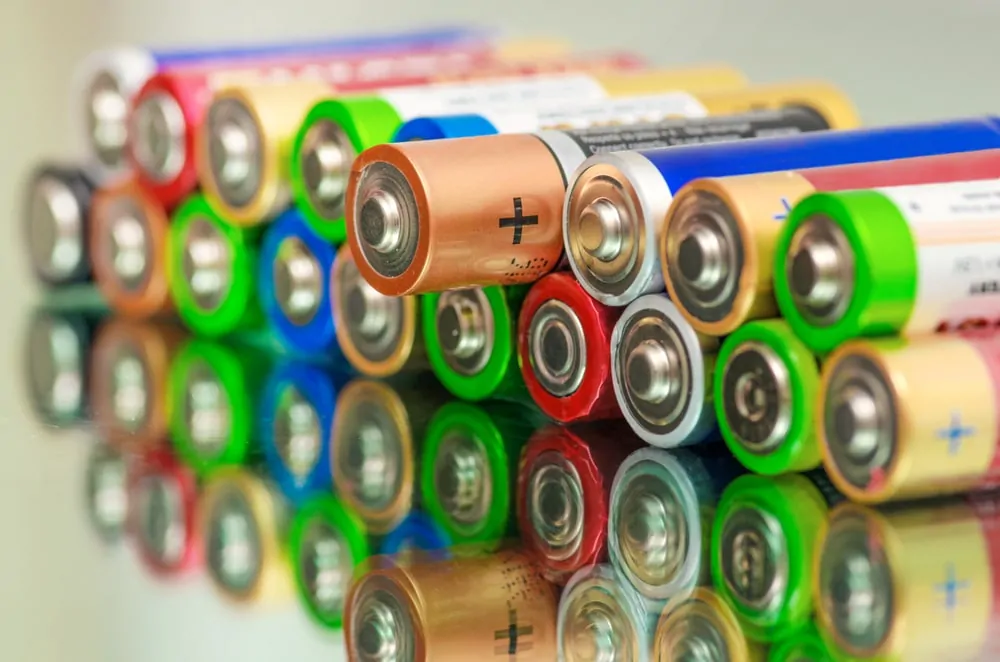
Typically, batteries are either discarded as solid waste or sent for recycling. While direct disposal poses environmental threats as previously discussed, conventional battery recycling methods often require extreme heat to melt down internal metals for reuse. This melting process can also leave valuable mined metals such as iron, manganese, and zinc unused, despite their potential for repurposing in other applications.
Furthermore, effective battery recycling is primarily concentrated in European countries, where robust legislation mandates retailers selling batteries to facilitate the return of used ones. This regulatory framework results in significantly higher recycling rates in Europe compared to Australia and many other parts of the world.
A 23-yr Old Indian Engineer’s innovation of generating both Electricity & Water from Wind-turbine <— Don’t miss this to read!
Envirostream identifies this challenge as a vital opportunity to contribute positively to global sustainability. They aim to recycle these used batteries by extracting essential components and transforming them into beneficial substances that promote plant growth.
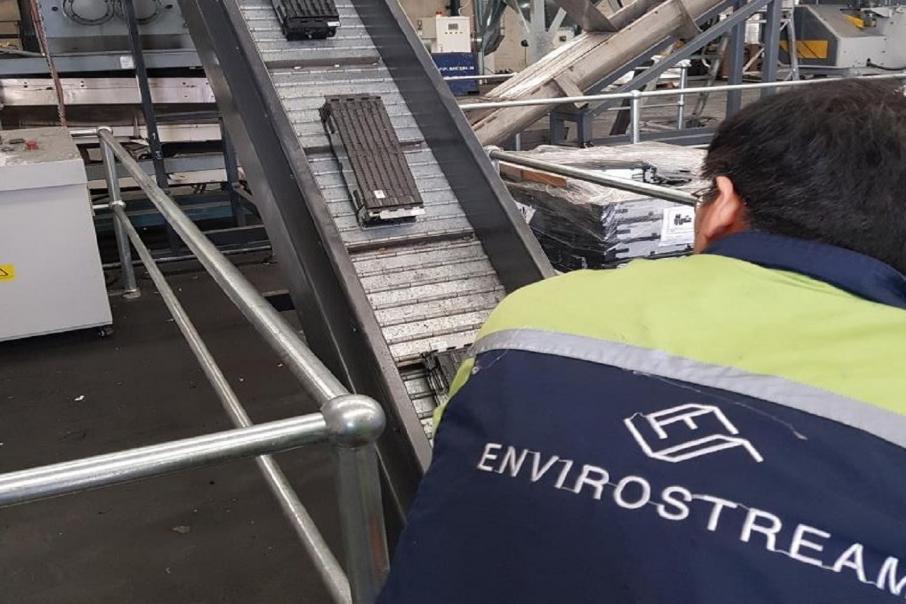
Adrian Griffin, Managing Director of Lithium Australia, stated in a press release, “Globally, the improper disposal of alkaline batteries presents a significant environmental challenge. Our innovative strategy to repurpose the active components from spent battery cells represents a crucial advancement in global environmental management and holds the potential to profoundly impact the sustainability of disposable battery usage.”
Essential Nutrients for Plants Found in Batteries
While batteries do contain certain toxic chemicals, this innovative process carefully extracts the natural, non-toxic metals and beneficial nutrients present in alkaline batteries, which are then utilized to nourish plants.
For instance, zinc, an abundant element in alkaline batteries, is crucial for plants to synthesize chlorophyll, the chemical responsible for their green color and essential for photosynthesis. Iron, another key element, supports plant energy production, while manganese is vital for plant respiration, nitrogen assimilation, and further assists in photosynthesis.
Read this: A London Woman’s startup aims for ‘Zero-waste’ via a business in a retro-styled Milk Truck
The process begins by crushing the used batteries, followed by rigorous filtration and purification to eliminate hazardous elements such as mercury and nickel. Ensuring these toxic substances are entirely absent from the final fertilizer is critical, as their presence could contaminate our food supply; thus, product testing is exceptionally stringent. Once extracted, these harmful elements are securely dispatched to specialized hazardous waste treatment facilities, preventing their leakage into soil or waterways, unlike the outcome of landfill disposal.
After purification, beneficial trace elements are safely reintegrated into the environment as valuable farming products. Tracegrow, a Finnish company, outlines a similar project, having successfully developed and tested a plant fertilizer derived from recycled materials. The company reports positive outcomes, noting the fertilizer’s successful application on crops such as tomatoes, cotton, and avocados.
These trials consistently demonstrate a significant enhancement in plant growth when this innovative fertilizer is applied.
Embracing Sustainable Solutions for a Greener Future
For the past five decades, humanity has prioritized rapid development and technological advancement, often with insufficient regard for environmental impact. However, with the Earth responding through phenomena like climate change, businesses are now increasingly adopting energy-efficiency and zero-waste strategies, aiming to reduce carbon footprints and minimize untreated polluting components.
The Future of Business: Valuing Eco-Friendly Innovations
Got a Sustainable Idea? Take the Leap!
Referenced from:https://www.euronews.com/living/2020/05/28/don-t-throw-away-old-batteries-feed-them-to-your-plants-instead
Join our community by subscribing to our Weekly Newsletter to stay updated on the latest AI updates and technologies, including the tips and how-to guides. (Also, follow us on Instagram (@inner_detail) for more updates in your feed).
(For more such interesting informational, technology and innovation stuffs, keep reading The Inner Detail).
