
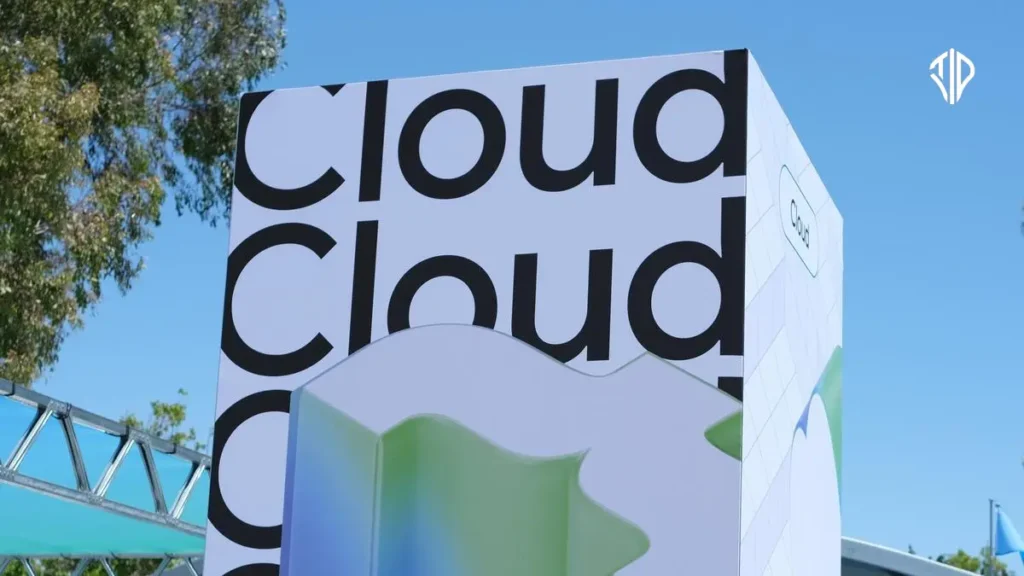
OpenAI is significantly expanding its enterprise footprint by bringing its newest artificial intelligence models directly to Google Cloud and the Antigravity platform according to recent reports. This strategic rollout introduces advanced models like GPT 6.1 Astra, Sol, and Luna to developers and enterprise customers operating within Google’s cloud ecosystem. Such cross-platform availability highlights a growing industry trend where leading AI developers prioritize broad distribution over exclusive infrastructure.
For enterprise organizations, this collaboration bridges major cloud environments that were once strictly siloed. Companies heavily invested in Google Cloud infrastructure can now access frontier artificial intelligence capabilities without needing to migrate workflows or manage fragmented multi-cloud billing systems. This development reduces technical friction and accelerates how quickly businesses can deploy sophisticated machine learning agents into production environments.
Understanding the New Model Lineup
The upcoming integration features a fresh tier of models designed for specific enterprise use cases. Models like Astra, Sol, and Luna bring distinct performance characteristics tailored for speed, deep reasoning, and multimodal data processing.
Astra focuses primarily on low-latency interactions, making it ideal for real-time customer service agents and voice applications. Sol and Luna target heavy computational tasks, advanced code generation, and complex data analysis where accuracy takes precedence over speed.
The Strategic Shift in Cloud Infrastructure
Historically, major artificial intelligence providers tied their flagship models closely to proprietary platforms or exclusive cloud partners. OpenAI partnering with Google Cloud demonstrates a mature shift toward open enterprise ecosystems.
Google Cloud provides robust security, compliance frameworks, and specialized Tensor Processing Unit infrastructure that can optimize model execution. By integrating these tools, developers gain the flexibility to choose the exact hardware and software stack that suits their operational needs.
What This Means for Enterprise Developers
Software engineers and product teams no longer need to compromise between Google’s native artificial intelligence offerings and OpenAI architectures. Teams can now orchestrate hybrid workflows that leverage the strengths of multiple foundational systems within a single cloud dashboard.
This interoperability lowers the barrier to entry for smaller businesses looking to experiment with enterprise-grade artificial intelligence. Developers can prototype locally and scale globally using familiar deployment pipelines already established within Google Cloud.
Looking Ahead at Multi-Cloud Artificial Intelligence
As the artificial intelligence market matures, exclusive infrastructure deals are slowly giving way to universally accessible developer ecosystems. Enterprises stand to benefit the most from this open approach as competition drives down costs and increases performance benchmarks.
The arrival of OpenAI models on Google Cloud signals that the future of enterprise software is collaborative rather than isolated. Organizations that learn to effectively combine these diverse models will likely capture the biggest productivity gains in the coming years.
Key Takeaways
- OpenAI models including Astra, Sol, and Luna are now available on Google Cloud and the Antigravity platform.
- Enterprise organizations can access advanced AI capabilities without migrating workflows or managing multi-cloud billing.
- Astra targets low-latency real-time applications, while Sol and Luna handle heavy computational tasks and complex data analysis.
- The partnership signifies a broader industry shift from exclusive infrastructure deals to open, collaborative developer ecosystems.
Join our community by subscribing to our Weekly Newsletter to stay updated on the latest AI updates and technologies, including the tips and how-to guides.
Also, follow us on Instagram (@tid_technology) for more updates in your feed and our WhatsApp Channel to get daily news straight to your Messaging App.
