
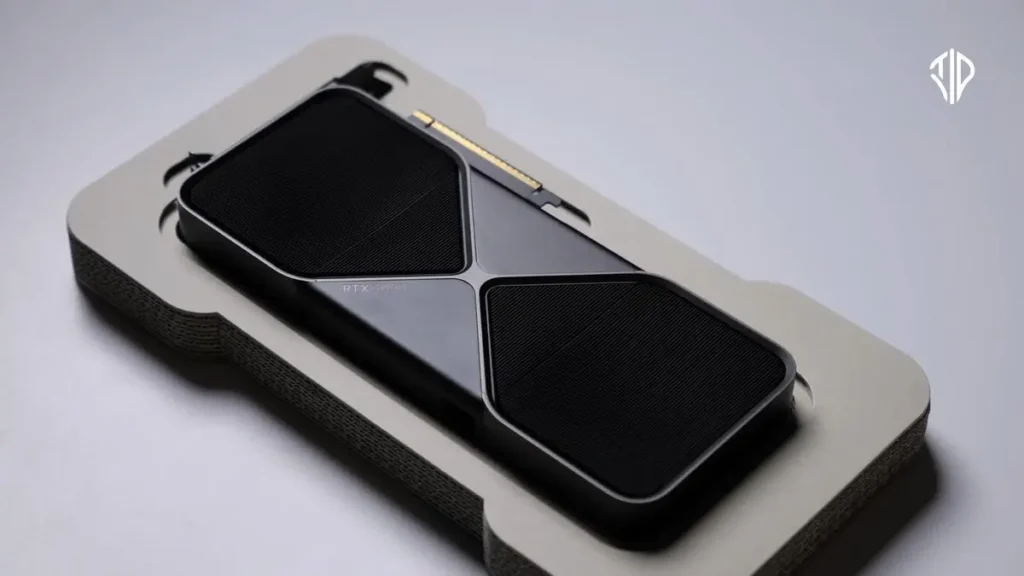
Recent industry reports indicate that chip manufacturing priorities might be shifting away from high-end consumer graphics cards. Leakers claim that production capacity for top-tier gaming hardware could soon be redirected entirely toward lucrative artificial intelligence infrastructure.
The discussion centers around the GB202 silicon die, which serves as the foundational architecture for the current generation of ultra-enthusiast graphics hardware. If unverified factory notices prove accurate, semiconductor manufacturers may soon reserve this valuable silicon exclusively for enterprise-grade data center accelerators.
Such a transition would mark a notable pivot in how semiconductor resources are distributed globally. While enthusiast desktop components generate substantial consumer headlines, enterprise infrastructure hardware commands vastly superior profit margins in the current market climate.
Understanding the Silicon Shortage
At the heart of this manufacturing dilemma is the immense global demand for specialized computing clusters. Artificial intelligence models require vast amounts of parallel processing power to train and execute complex neural networks efficiently.
Silicon wafers and advanced packaging lines are finite resources constrained by complex manufacturing limitations. When semiconductor designers allocate production capacity to enterprise markets, consumer-facing product lines frequently experience supply constraints or premature phase-outs.
This dynamic illustrates a broader economic reality facing the technology sector. The immense profitability of enterprise AI infrastructure creates powerful financial incentives for manufacturers to favor corporate clients over retail consumers.
Implications for the Gaming Community
For extreme enthusiasts who invest heavily in top-tier gaming setups, the potential disappearance of a flagship consumer card represents a frustrating shift. These high-end components push the boundaries of graphical fidelity, ray tracing performance, and high-resolution frame rates.
However, market analysts suggest that consumer demand at the absolute pinnacle of pricing represents a very small fraction of total sales volume. Manufacturers often balance their product stacks to maximize both revenue and component yield efficiency.
Industry insiders note that alternative high-performance options, such as heavily equipped enthusiast cards featuring substantial VRAM allocations, may step in to fill the performance gap for high-end retail buyers.
The Broader Economic Landscape
The tension between consumer tech and enterprise AI reflects a structural transformation across the entire semiconductor industry. Companies that design advanced processors are finding their growth engines anchored firmly in enterprise data centers rather than living rooms.
As artificial intelligence integration expands into every sector of business and software development, the competition for advanced silicon nodes will likely intensify further. Consumers may need to adjust expectations regarding product lifecycles and availability for extreme hardware tiers.
Ultimately, whether these specific rumors materialize into official product cancellations remains to be seen. Regardless of the immediate outcome for any single product line, the underlying market forces prioritizing enterprise computing over consumer hardware are set to shape the technology landscape for years to come.
Key Takeaways
- Semiconductor manufacturing priorities are increasingly shifting toward artificial intelligence infrastructure over high-end consumer hardware.
- Valuable silicon dies, such as the GB202 architecture, may be reserved exclusively for enterprise-grade data center accelerators due to higher profit margins.
- Consumer-facing product lines face potential supply constraints and premature phase-outs as finite silicon wafers are reallocated.
- While extreme enthusiasts may experience disruptions, alternative high-performance options with substantial VRAM allocations could bridge the gap for retail buyers.
Join our community by subscribing to our Weekly Newsletter to stay updated on the latest AI updates and technologies, including the tips and how-to guides.
(Also, follow us on Instagram (@tid_technology) for more updates in your feed and our WhatsApp Channel to get daily news straight to your Messaging App).
