
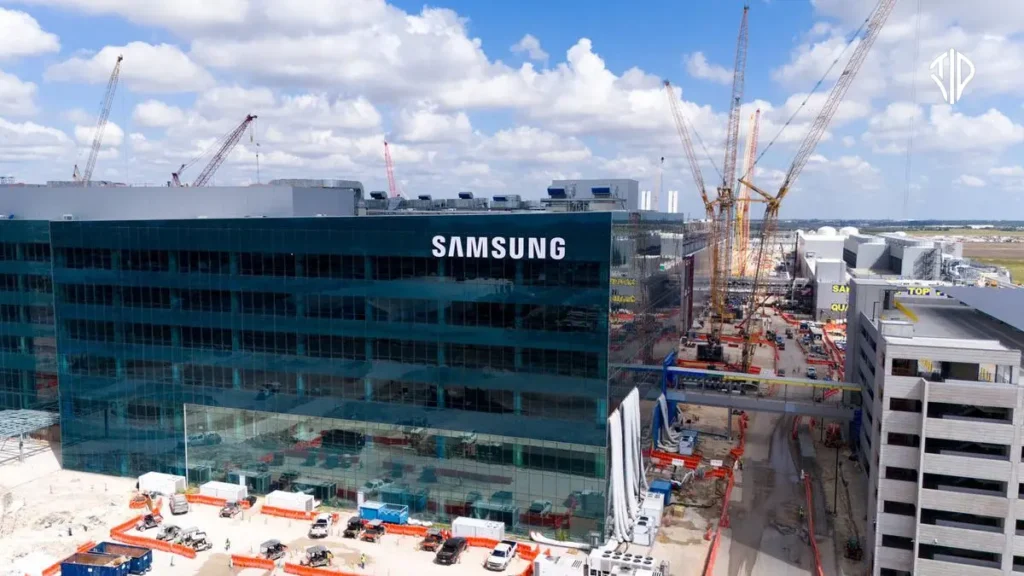
Semiconductor giant Samsung is on track to record what could be the largest quarterly operating profit in technology history. According to recent financial reports, the company expects a preliminary operating profit of 107.4 trillion won, equivalent to roughly $80.2 billion, for the July through September period.
This staggering figure represents a massive 782.5 percent increase compared to the same period a year earlier. Total revenue is projected to reach 195 trillion won, which marks an increase of almost 127 percent year over year.
These numbers easily eclipse previous records set by major technology companies and reflect the profound financial restructuring happening within the global semiconductor market. The underlying driver of this historic financial milestone is a severe global shortage of memory components.
As artificial intelligence data centers expand at an unprecedented rate, demand for high-bandwidth memory and standard RAM has skyrocketed. Technology infrastructure builders are aggressively securing hardware supplies, giving manufacturers significant pricing power.
For everyday consumers and PC builders, however, this boom translates into a frustrating and expensive market reality. Component prices have reached astronomical levels, making standard hardware upgrades much more costly than they were just a year ago.
Key Takeaways
- Samsung anticipates a historic operating profit of $80.2 billion driven by a global memory shortage.
- AI data center expansion has spiked demand for high-bandwidth memory and standard RAM.
- Major tech brands like Amazon, Apple, and Microsoft are raising device prices to offset component costs.
- Memory manufacturing constraints and long fab construction times prevent rapid supply increases.
The Ripple Effects Across the Consumer Tech Industry

The memory crisis is not isolated to industrial data centers or custom PC builders. Major consumer technology brands are experiencing acute pressure on profit margins, forcing them to pass increased component costs directly onto buyers.
Amazon recently hiked prices on its Kindle, Echo, Fire TV, and eero device lineups by up to 60 percent, explicitly blaming rising memory and storage expenses. Similar pricing adjustments have rippled through the laptop and tablet markets.
Apple adjusted pricing structures across its MacBook and iPad lines to account for escalating component expenditures. Meanwhile, Microsoft increased the retail price of entry-level Xbox Series S consoles by $100 and bumped 18TB console tiers by $150.
These widespread price hikes illustrate how heavily modern consumer electronics depend on a stable supply of affordable memory chips. When semiconductor production tightens, the financial shockwaves quickly reach the end consumer.
Understanding the Semiconductor Supply Crunch
To understand why memory prices remain so volatile, it helps to examine how memory manufacturing works. Producing dynamic random-access memory and NAND flash storage requires multibillion-dollar fabrication facilities, often called fabs.
These facilities take months to construct and optimize, meaning manufacturers cannot easily scale up production overnight to meet sudden spikes in demand. When the artificial intelligence boom accelerated, chipmakers rapidly shifted production lines toward high-margin specialized components.
High-bandwidth memory, which pairs directly with powerful graphics processing units used for training large language models, became the primary focus. This strategic shift reduced the manufacturing capacity available for standard consumer-grade RAM modules and solid-state drives.
Industry consultants previously forecasted massive price jumps throughout the third and fourth quarters. Those predictions have largely materialized, leaving buyers with fewer budget-friendly options for upgrading electronics.
What This Means for Tech Enthusiasts and the Future
Samsung’s upcoming full financial disclosure on October 29 will provide a clearer breakdown of how individual business divisions contributed to these historic figures. Analysts will closely scrutinize the report for signs of when supply constraints might finally ease.
Until manufacturers bring additional fabrication plants online, component prices are expected to remain elevated. Tech enthusiasts planning a custom PC build or looking to upgrade existing hardware may need to budget significantly more than in previous years.
The current landscape highlights the deep interdependence between enterprise artificial intelligence investments and everyday consumer technology pricing. As long as AI infrastructure spending remains at peak levels, the ripple effects across the hardware market will continue to shape what consumers pay for everyday devices.
Join our community by subscribing to our Weekly Newsletter to stay updated on the latest AI updates and technologies, including the tips and how-to guides.
Also, follow us on Instagram (@tid_technology) for more updates in your feed and our WhatsApp Channel to get daily news straight to your Messaging App.
