
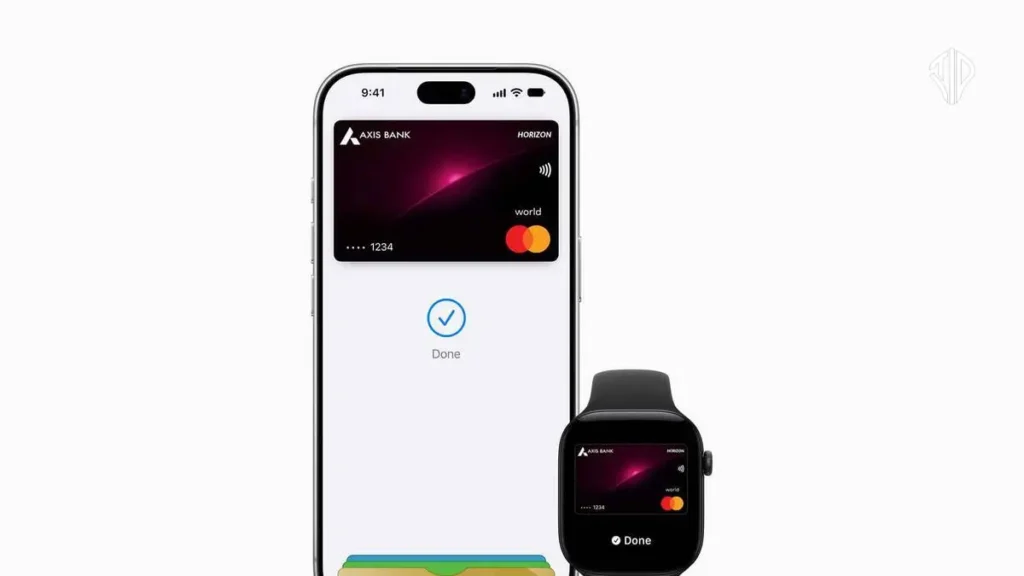
Nearly twelve years after its initial global introduction, Apple Pay has finally arrived in India, marking a major milestone for the digital payments ecosystem in one of the world’s largest smartphone markets. According to recent reports, the rollout is currently underway via server-side updates, with Axis Bank serving as the primary launch partner for the service.
The initial rollout brings tap-and-pay functionality specifically to customers holding Axis Bank-issued Visa and Mastercard credit cards. While India’s digital payments landscape has long been dominated by the Unified Payments Interface, the introduction of Apple Pay offers iPhone and Apple Watch owners a deeply integrated, hardware-level alternative for contactless transactions both online and in retail stores.
The Long Road to India
Apple Pay first launched in October 2014, fundamentally changing how consumers use their mobile devices for everyday purchases. However, bringing the service to India required navigating complex local regulatory frameworks, data localization mandates, and existing dominant financial networks.
For years, speculation surrounded when the tech giant would secure agreements with Indian financial regulators and major domestic banks. While competitors like Samsung Pay and Google Pay established early footholds in the region through UPI integration, Apple took a more measured approach, prioritizing direct banking partnerships that support global tokenization standards.
How the Integration Works
The rollout relies on server-side activation, meaning users do not necessarily need an immediate iOS system update to see the feature. Eligible Axis Bank cardholders can add their credit cards directly to the Apple Wallet app by entering their card details or scanning the card via the device camera.
Once authenticated through Axis Bank’s standard verification processes, users can utilize Near Field Communication to complete purchases at point-of-sale terminals. Transactions are secured through biometric authentication via Face ID or Touch ID, ensuring that actual card numbers are never shared with merchants or stored on Apple servers.
Broader Industry Implications
The entry of Apple Pay into India is expected to catalyze broader adoption of tokenized card payments in a market heavily reliant on QR-code scanning via UPI. While UPI remains the undisputed king of peer-to-peer and everyday retail transactions in India, credit card spending has seen explosive growth among urban consumers.
Industry analysts anticipate that Apple’s move will prompt other major private and public sector banks in India to fast-track their own Apple Pay integrations in the coming months. As consumer expectations shift toward frictionless biometric payments, the expansion of global digital wallets represents the next phase of evolution for India’s booming digital economy.
Key Takeaways
- Apple Pay has officially launched in India, with Axis Bank acting as the primary initial launch partner.
- The current rollout supports tap-and-pay transactions for Axis Bank-issued Visa and Mastercard credit cards.
- Transactions use hardware-level security via Near Field Communication and biometric authentication like Face ID or Touch ID.
- The integration is expected to boost tokenized card payments in a market traditionally dominated by UPI QR-code scanning.
Join our community by subscribing to our Weekly Newsletter to stay updated on the latest AI updates and technologies, including the tips and how-to guides.
Also, follow us on Instagram (@tid_technology) for more updates in your feed and our WhatsApp Channel to get daily news straight to your Messaging App.
